Distressed-property due diligence
Foreclosed, Bank-Owned, and REO Property Research
Research pre-foreclosure, auction, sheriff-sale, tax-sale, HUD, bank-owned, and REO properties with title, condition, insurance, and fraud checks.
The short answer
“Foreclosure” does not describe one uniform kind of sale. A property may be advertised before foreclosure, scheduled for an auction, sold subject to redemption or occupancy issues, held by a government program, or owned by a bank after an unsuccessful sale. Identify the actual legal and ownership status before relying on a listing.
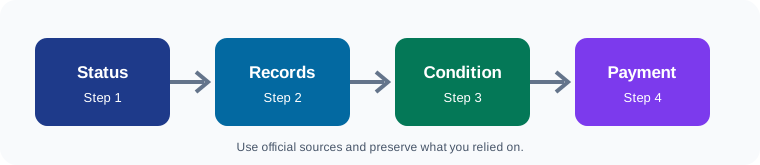
Research before bidding or offering
Identify the sale type
Distinguish a conventional REO listing from a courthouse, sheriff, trustee, tax, association, or online auction.
Find the official record
Confirm the parcel, owner, case, sale authority, date, deposit rules, and postponement information through official sources.
Investigate title and possession
Research liens, taxes, easements, redemption, occupants, eviction responsibilities, and what interest the sale actually conveys.
Assess access and condition
Determine whether inspection, utilities, appraisal, financing, and insurance are possible before funds become nonrefundable.
Verify payment independently
Confirm deposit and wiring instructions using an independently obtained official telephone number.
Distressed-property file
- Parcel number, street address, and legal description
- Verified sale authority and current sale status
- Title, lien, tax, and redemption research
- Occupancy and possession assumptions
- Inspection access, repair estimate, and permit history
- Insurance and financing feasibility before a nonrefundable deposit
Print or save this list. Add dates and source information so you can tell what was known at each decision point.
Independent tools and authoritative starting points
HUD Home Store
Search HUD-owned single-family properties and read official bidding information.
Fannie Mae HomePath
Search Fannie Mae-owned properties and review the program’s current buyer information.
Freddie Mac HomeSteps
Search Freddie Mac-owned homes and review current sales information.
Realtor.com
Search property listings and use the results as a starting point for independent due diligence.
FEMA Flood Map Service Center
View official flood maps and related products for an address or community.
Third-party notice: yPrivateAI is not affiliated with or endorsed by the third-party websites listed here. These links are starting points for independent research. Listings, availability, prices, property descriptions, maps, programs, and terms may change. Verify the property, representative, ownership, title, hazards, insurance availability, and payment instructions independently before making a commitment or transferring funds.
Related Moving On resources
Keep the recovery record together
Preserve notices, estimates, maps, quotes, receipts, listings, and the sources behind each important decision. For related documentation guidance, visit the property-damage documentation checklist and the policyholder resource library.