Emergency-to-permanent housing
Finding Replacement Housing After a Disaster
Move from emergency lodging to stable replacement housing while tracking expenses, evaluating needs, checking risks, and avoiding rental scams.
The short answer
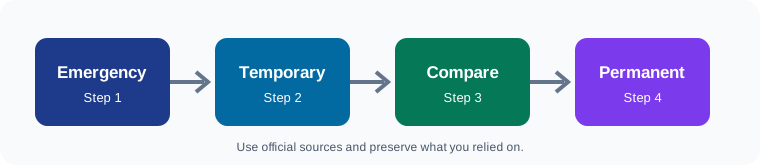
Treat emergency lodging, transitional housing, and permanent replacement housing as separate decisions. First protect immediate safety and continuity. Then document temporary expenses and requirements. Only after that should you commit to a long-term location, lease, or purchase based on verified affordability, hazards, insurance, access, and household needs.
Three housing horizons
Emergency
Prioritize safe shelter, medication, accessible facilities, pets, transportation, communications, and registration with legitimate assistance programs.
Transitional
Seek a workable lease or extended stay while tracking receipts, deposits, mileage, meals, laundry, storage, and insurance communications.
Permanent
Compare neighborhoods and properties using full costs, hazard information, insurance availability, condition, access, and long-term household needs.
Document
Keep written reasons for housing choices, declined options, extensions, and unavoidable extra costs.
Housing-needs worksheet
- Number of occupants, beds, accessibility, and medical requirements
- Pet, school, work, transportation, and support-network needs
- Maximum total monthly cost—not rent or mortgage alone
- Deposit, application, utility, storage, travel, and moving costs
- Lease length and realistic recovery timeline
- Receipts, communications, and reasons each option was accepted or rejected
Print or save this list. Add dates and source information so you can tell what was known at each decision point.
Independent tools and authoritative starting points
USA.gov housing help
Find federal and local starting points for housing assistance.
DisasterAssistance.gov
Check federal disaster declarations and available assistance.
FTC: Rental listing scams
Learn how copied listings, fake landlords, and deposit scams operate.
Zillow
Browse residential listings; independently verify the listing, property, hazards, and representative.
Realtor.com
Search property listings and use the results as a starting point for independent due diligence.
Homes.com
Search residential listings and confirm all material details through independent sources.
Third-party notice: yPrivateAI is not affiliated with or endorsed by the third-party websites listed here. These links are starting points for independent research. Listings, availability, prices, property descriptions, maps, programs, and terms may change. Verify the property, representative, ownership, title, hazards, insurance availability, and payment instructions independently before making a commitment or transferring funds.
Related Moving On resources
Keep the recovery record together
Preserve notices, estimates, maps, quotes, receipts, listings, and the sources behind each important decision. For related documentation guidance, visit the property-damage documentation checklist and the policyholder resource library.