Beachfront and coastal due diligence
Coastal and Beachfront Property Safety
Research flood zones, elevation, storm surge, erosion, sea-level rise, evacuation, building condition, and insurance before choosing coastal property.
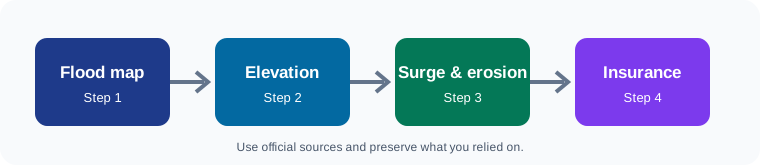
The short answer
A beachfront view does not show the property’s full risk. Before committing, research the exact address across multiple sources: current flood maps, property and ground elevation, storm-surge exposure, shoreline change, drainage, access, building design, prior damage where available, and address-specific insurance availability and cost.
Screen a coastal property
Map present-day hazards
Review the effective flood map, floodway or coastal-zone designations, local evacuation information, drainage, and access routes.
Look beyond one map
Compare sea-level scenarios, storm surge, high-tide flooding, erosion, subsidence, rainfall, and historical event information.
Inspect the structure and site
Ask about elevation, foundation, enclosure, roof, openings, utilities, seawall or dune responsibilities, permits, and mitigation.
Price insurance early
Seek property-specific information about homeowners, flood, wind, named-storm, and other relevant coverage before the offer becomes difficult to unwind.
Review future obligations
Investigate setbacks, substantial-damage rules, rebuilding restrictions, associations, special assessments, roads, utilities, and shoreline projects.
Coastal-property research record
- Effective FEMA map and local floodplain information
- Elevation certificate or survey where available
- NOAA sea-level and high-tide context
- Storm-surge and evacuation information
- Erosion, shoreline, drainage, and access observations
- Written insurance inquiries and expected deductibles
- Permits, mitigation, association, seawall, and special-assessment information
Print or save this list. Add dates and source information so you can tell what was known at each decision point.
Independent tools and authoritative starting points
FEMA Flood Map Service Center
View official flood maps and related products for an address or community.
NOAA Sea Level Rise Viewer
Explore scenario-based coastal inundation, vulnerability, and high-tide flooding information.
National Hurricane Center storm surge resources
Understand storm surge hazards and official forecast products.
USGS Coastal Change Hazards Portal
Review coastal change, shoreline, erosion, and storm-impact science.
FloodSmart: Understand flood risk
Learn about flood insurance and questions to investigate for a specific property.
Zillow
Browse residential listings; independently verify the listing, property, hazards, and representative.
Third-party notice: yPrivateAI is not affiliated with or endorsed by the third-party websites listed here. These links are starting points for independent research. Listings, availability, prices, property descriptions, maps, programs, and terms may change. Verify the property, representative, ownership, title, hazards, insurance availability, and payment instructions independently before making a commitment or transferring funds.
Related Moving On resources
Keep the recovery record together
Preserve notices, estimates, maps, quotes, receipts, listings, and the sources behind each important decision. For related documentation guidance, visit the property-damage documentation checklist and the policyholder resource library.