Hurricane Categories Explained
Last reviewed November 9, 2026. Free public guidance from The New Faith Church and Co-op, Inc. (NFCcop), a 501(c)(3) nonprofit. This is general information, not legal or professional advice. Rules and deadlines can change, so confirm with the official sources below.
Hurricanes are ranked from Category 1 to Category 5 on the Saffir-Simpson Hurricane Wind Scale. The category is based only on the storm's sustained wind speed. It's useful, but it doesn't tell the whole story: some of the deadliest hurricanes were "only" Category 1 or 2 because of flooding and storm surge.
The categories
- Tropical storm: 39 to 73 mph. Heavy rain and flooding are still dangerous.
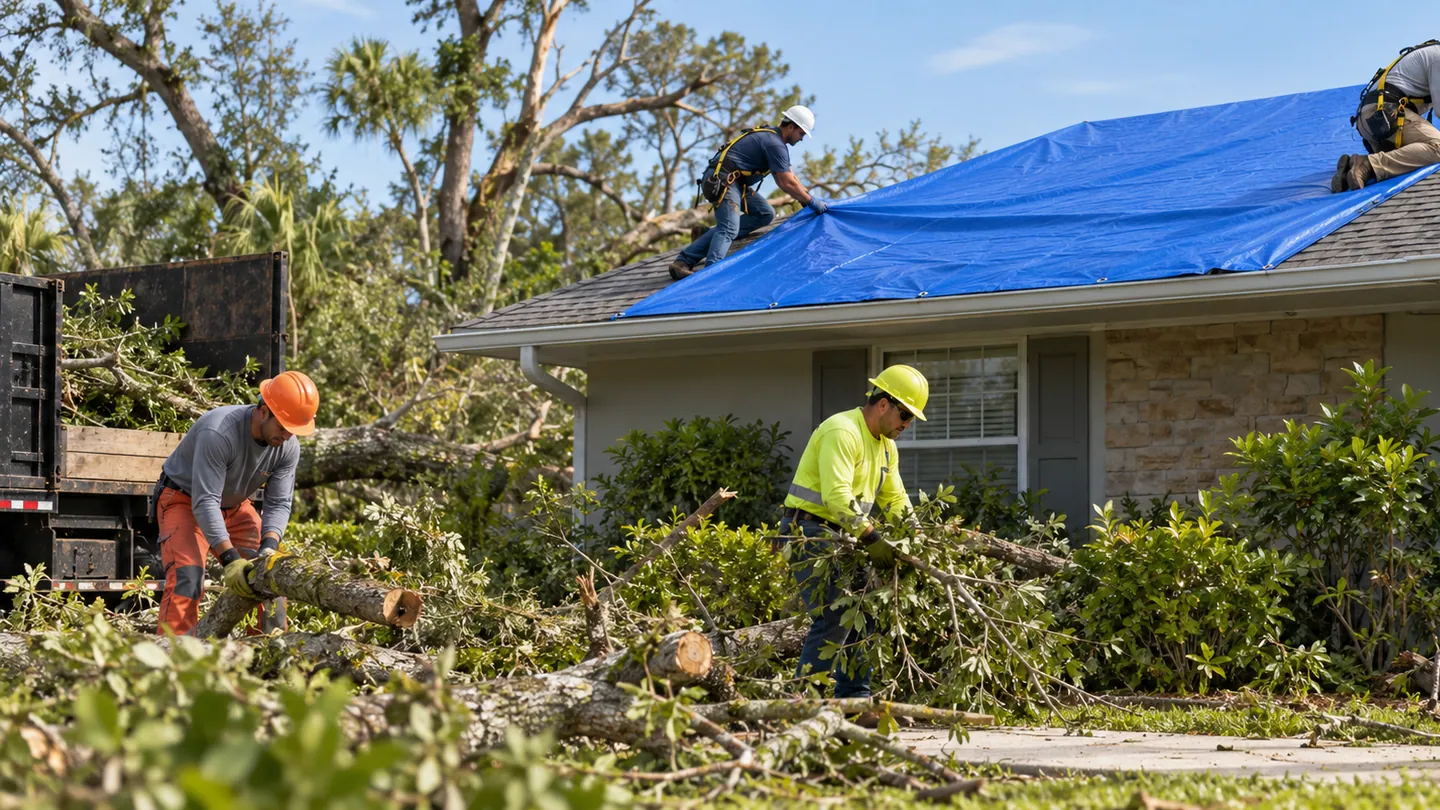
- Category 1: 74 to 95 mph. Damage to roofs, gutters, and siding; large branches snap; power outages likely for days.
- Category 2: 96 to 110 mph. Major roof and siding damage; many trees uprooted; near-total power loss that can last days to weeks.
- Category 3 (major hurricane): 111 to 129 mph. Serious damage to well-built homes; electricity and water may be out for days to weeks.
- Category 4: 130 to 156 mph. Severe damage, including loss of roofs and some walls; areas may be uninhabitable for weeks or months.
- Category 5: 157 mph or higher. Many homes destroyed; areas may be uninhabitable for weeks or months.
Category 3 and above are called major hurricanes.
What the category doesn't tell you
- Storm surge: the rise of seawater pushed ashore is often the biggest threat to life, and it depends on the storm's size, speed, and the shape of the coast, not just its category. See storm surge safety.
- Rain and inland flooding: slow-moving storms of any strength can dump feet of rain hundreds of miles inland. See flash flood safety.
- Tornadoes: hurricanes often spawn tornadoes, especially on their right-front side. See tornado safety.
- Size: a large Category 1 can affect far more people than a small Category 4.
What to do
Don't decide whether to stay or go based on category alone. Follow evacuation orders from local officials, which are based on storm surge and your zone. See how to find your evacuation zone and the hurricane prep checklist.

Hurricane levels at a glance
| Category | Sustained winds | Typical damage |
|---|---|---|
| Tropical storm | 39–73 mph | Heavy rain and flooding; downed limbs |
| Category 1 | 74–95 mph | Damage to shingles, gutters, and siding; large branches down; power outages lasting several days |
| Category 2 | 96–110 mph | Major roof and siding damage; many shallow-rooted trees uprooted; outages lasting days to weeks |
| Category 3 (major) | 111–129 mph | Serious damage to well-built homes; electricity and water out for days to weeks |
| Category 4 (major) | 130–156 mph | Severe damage, roof and wall loss; areas uninhabitable for weeks or months |
| Category 5 (major) | 157+ mph | Many homes destroyed; areas uninhabitable for weeks or months |
Is a Category 1 hurricane dangerous? Yes. Its winds can damage roofs and bring down trees and power lines, and a slow-moving Category 1 can still cause deadly flooding and storm surge. Follow local evacuation orders whatever the category.
What the category does NOT tell you
The Saffir-Simpson scale rates wind only. It doesn't measure the things that cause most hurricane deaths:
- Storm surge, the rise of seawater pushed ashore, is historically the deadliest hurricane hazard. A weaker but large storm can push a bigger surge than a stronger, smaller one. See storm surge safety.
- Rain and inland flooding depend on how slowly the storm moves, not its category. Tropical storms have caused catastrophic flooding hundreds of miles inland. See flash flood safety.
- Tornadoes often form in a hurricane's outer bands.
- Size. Hurricane-force winds can reach far beyond the center, and impacts happen well outside the forecast "cone." The cone shows where the center may go, not how wide the damage will be.
Hurricane watch vs. warning
| Alert | What it means | What to do |
|---|---|---|
| Hurricane Watch | Hurricane conditions are possible, usually within 48 hours | Finish preparations, fill prescriptions, fuel the car, know your evacuation zone |
| Hurricane Warning | Hurricane conditions are expected, usually within 36 hours | Leave if told to evacuate; otherwise complete preparations and shelter in place |
| Storm Surge Warning | Life-threatening flooding from rising seawater is expected | Evacuate if you're in the warned area and told to leave |
Your evacuation decision should be based on your evacuation zone and local orders, not on the category. If you live in a mobile home, you should usually leave for any hurricane.
Related guides: Protecting windows · Emergency go-bag · Returning home after a hurricane · Mobile home storm safety
Sources for this section: National Hurricane Center: Saffir-Simpson Hurricane Wind Scale; National Weather Service: Hurricane watches and warnings; National Hurricane Center: Storm surge; Ready.gov: Hurricanes.
Frequently asked questions
What wind speed is a Category 3 hurricane?
Category 3 hurricanes have sustained winds of 111 to 129 mph. Category 3 and higher are called major hurricanes.
Is a Category 1 hurricane dangerous?
Yes. Category 1 winds damage roofs and trees and knock out power, and the storm's surge and rain flooding can be deadly regardless of category.
Does hurricane category include storm surge?
No. The Saffir-Simpson scale measures only sustained wind speed. Storm surge and rain flooding are forecast separately.
Need help with your claim or paperwork?
NFCcop offers free guidance to storm survivors. Ask for free help or browse all disaster recovery resources.