Returning Home After a Hurricane: Safety Checklist
Last reviewed November 7, 2026. Free public guidance from The New Faith Church and Co-op, Inc. (NFCcop), a 501(c)(3) nonprofit. This is general information, not legal or professional advice. Rules and deadlines can change, so confirm with the official sources below.
Many injuries and deaths happen after the storm has passed, during cleanup and the return home. Taking it slow and checking for hazards before you go inside can keep your family safe.
Before you go back
- Wait for officials to say it's safe. Roads, bridges, and power lines may still be dangerous.
- Bring water, food, a flashlight (not candles), a first aid kit, and a charged phone.
- Wear sturdy boots, long pants, gloves, and eye protection.
- Don't drive through flooded roads. See flash flood safety.
Check the outside first
- Look for downed power lines and stay far away. See downed power lines.
- Smell for gas. If you smell it, leave and call from a distance. See gas leaks.
- Check for foundation cracks, sagging roofs, and shifted walls. If the building looks unsafe, stay out and have it inspected.
- Watch for snakes, fire ants, and other animals pushed in by floodwater.
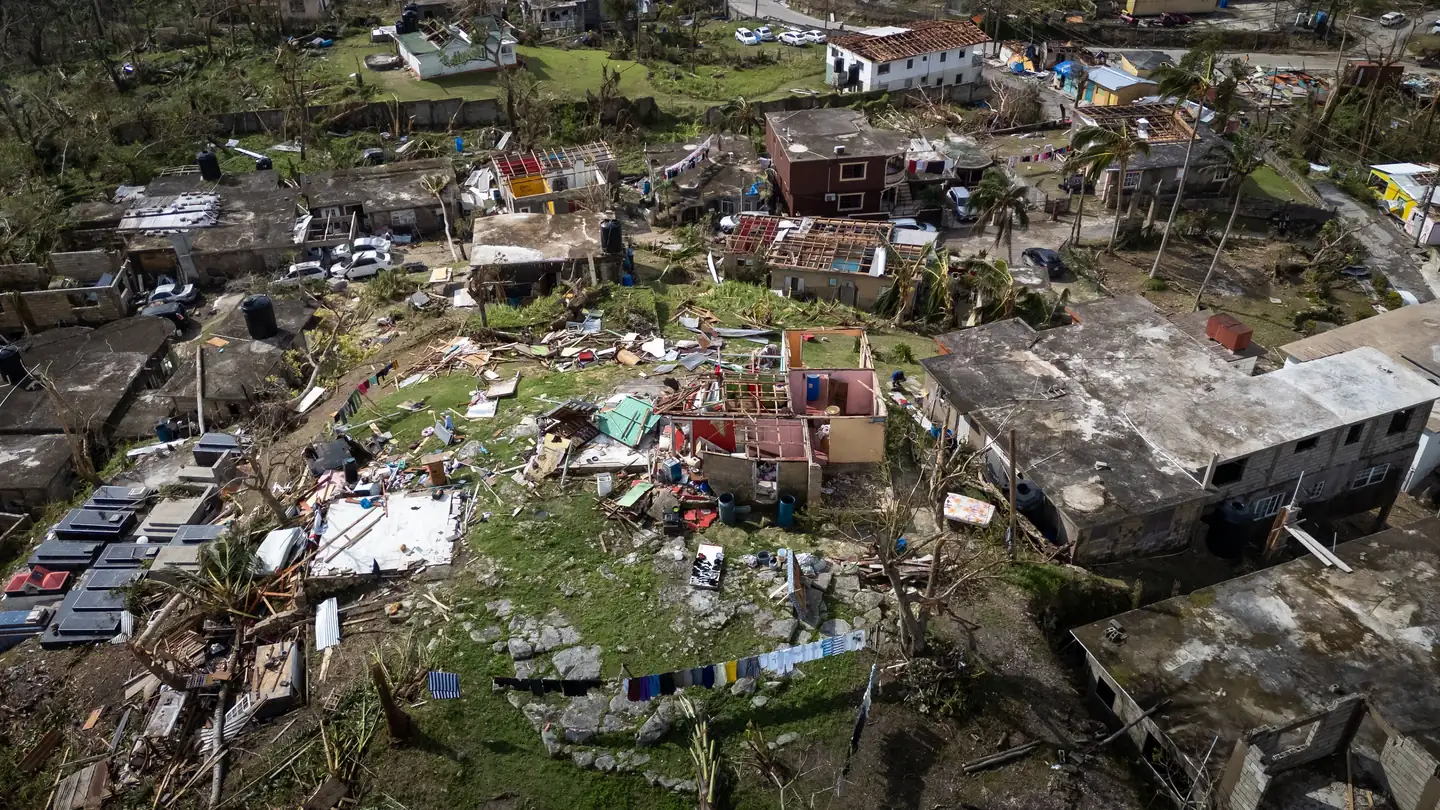
Going inside
- If the home flooded, turn off power at the main breaker only if you can reach it while dry; otherwise call an electrician. See electrical safety after a flood.
- Open doors and windows to air the home out.
- Don't use generators, grills, or camp stoves indoors. See carbon monoxide safety.
- Assume tap water is unsafe until your utility says otherwise. See boil water notice basics.
First recovery steps
- Document everything with photos and video before cleanup. See how to document damage.
- Call your insurer to start your claim.
- Prevent more damage: tarp roofs and board up openings, and keep receipts. See the roof tarp guide.
- Remove wet materials quickly to stop mold. See how to do a flood cut.
- Apply for FEMA if your area has a federal declaration. See the FEMA application guide.
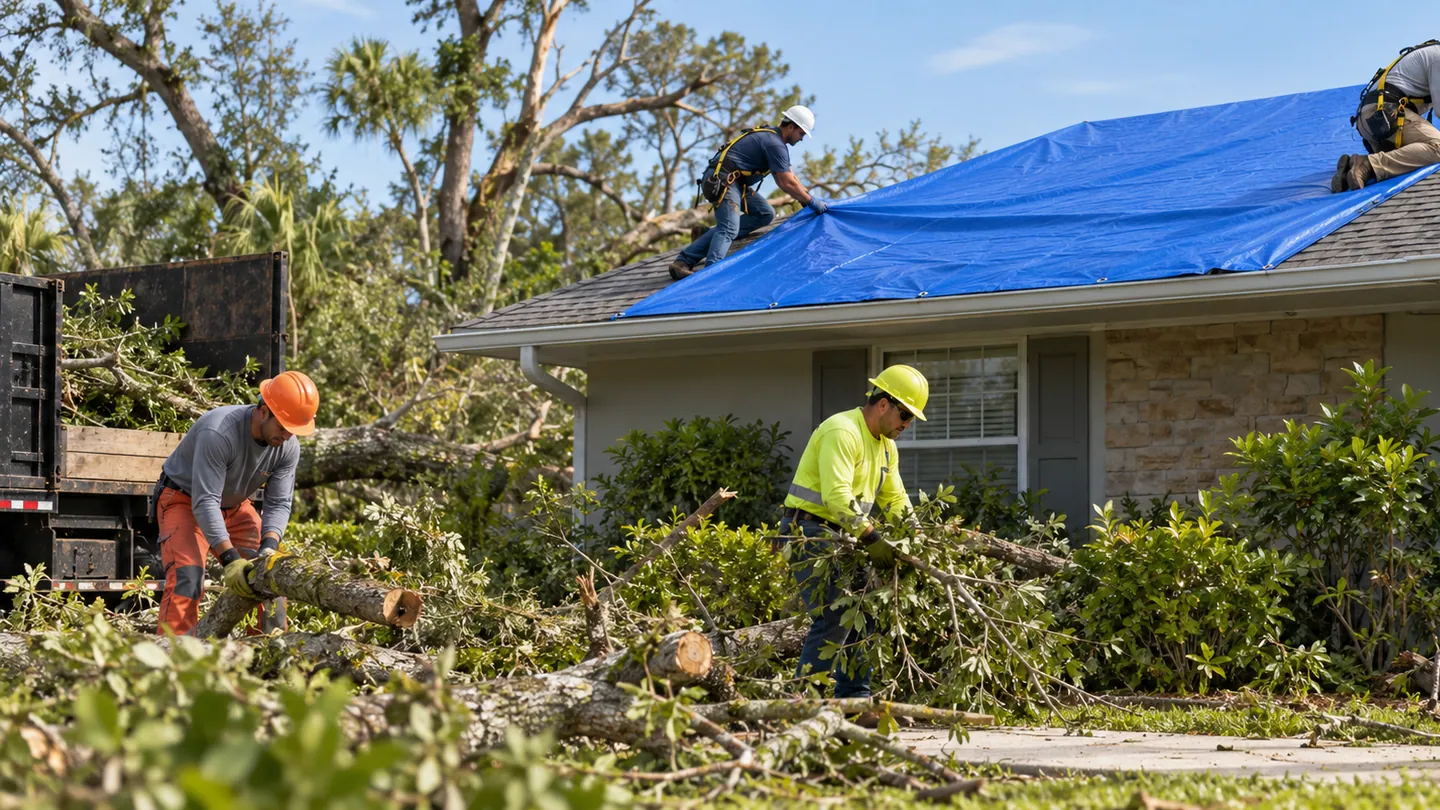
Frequently asked questions
When is it safe to go home after a hurricane?
When local officials say your area is open and safe. Roads, bridges, power lines, and buildings may still be dangerous.
What should I check first when returning home after a hurricane?
Look for downed power lines, gas smells, and structural damage outside before going in. Photograph everything before cleanup.
Is my tap water safe after a hurricane?
Not until your water utility says so. Use bottled or boiled water in the meantime.
Need help with your claim or paperwork?
NFCcop offers free guidance to storm survivors. Ask for free help or browse all disaster recovery resources.