Hurricane Preparation Checklist for Homeowners and Renters
Last reviewed November 6, 2026. Free public guidance from The New Faith Church and Co-op, Inc. (NFCcop), a 501(c)(3) nonprofit. This is general information, not legal, medical, or professional advice. Rules can change, so confirm with the official sources below.
Getting ready for a hurricane requires gathering essential emergency supplies, securing your living space, and reviewing your insurance coverage well before tropical weather threatens. Taking simple, organized steps early protects your family from harm and prevents costly financial delays during recovery. Use this practical checklist to prepare your home or rental property.
Build Your Emergency Supply Kit
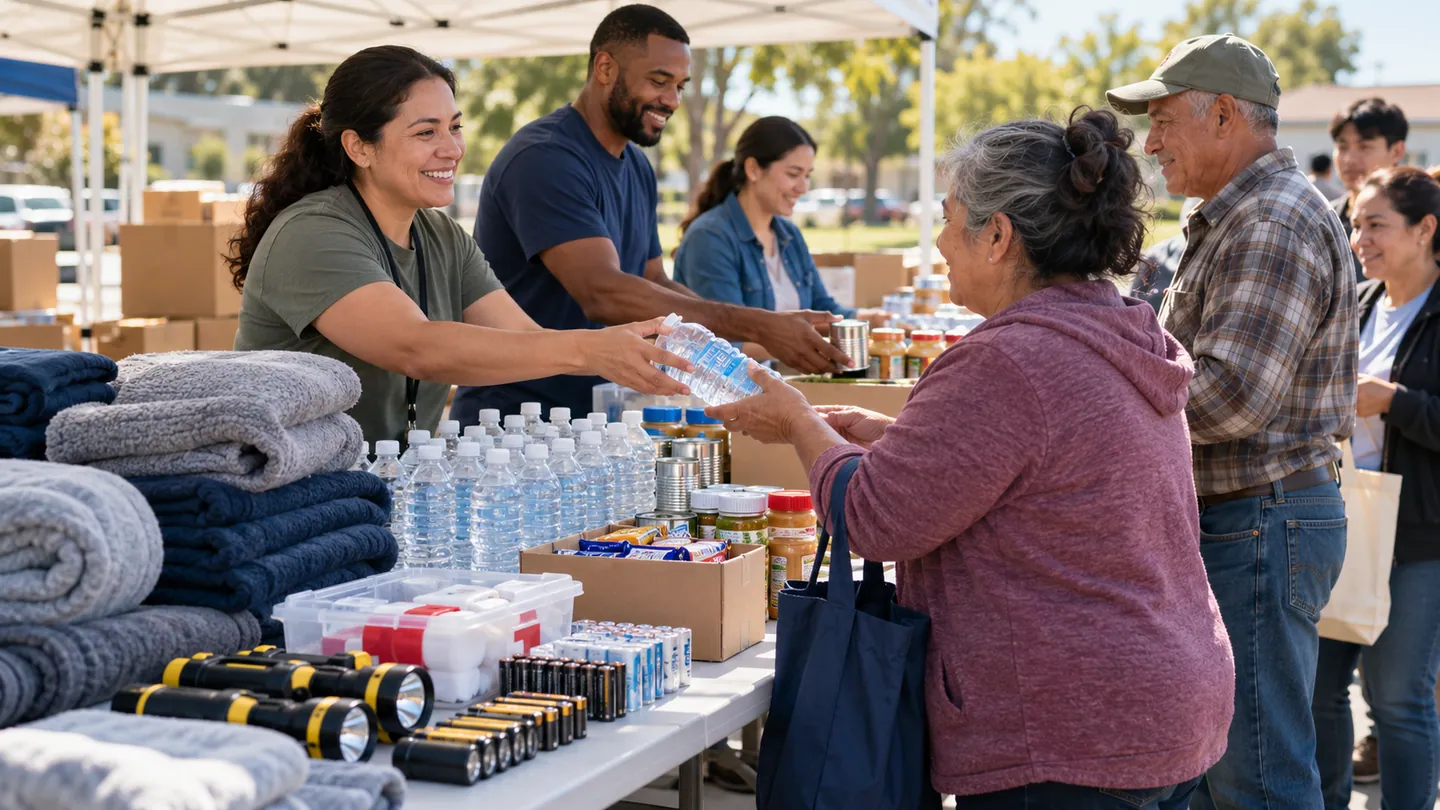
When high winds and heavy rains hit, roads may close and stores may lose power for days. Prepare an easy-to-carry emergency container with these basic necessities:
- Drinking water: Store at least 1 gallon of water per person per day for drinking and sanitation, planning for multiple days.
- Non-perishable food: Stock canned meats, vegetables, peanut butter, granola bars, and a manual can opener.
- Medical essentials: A supply of prescription medications, plus a basic first-aid kit.
- Lighting: Battery-powered flashlights or lanterns (avoid candles to prevent fire hazards).
- Batteries & power: Extra batteries in multiple sizes, along with fully charged portable power banks for cell phones.
- Cash: ATMs and electronic card readers do not work during widespread electrical blackouts.
- Important papers: Keep birth certificates, deeds, leases, and insurance paperwork inside a durable, waterproof pouch. If records are damaged later, you will need to replace lost documents promptly.
Know Your Evacuation Zone and Route
Emergency management agencies divide coastal and river flood areas into distinct evacuation zones. Do not wait for storm warnings to learn your classification:
- Identify your zone: Check your local county or state emergency management website to find your designated zone.
- Map two travel routes: Major highways can become gridlocked. Identify secondary inland roads you can use if authorities issue an evacuation order.
- Plan for pets: Many emergency shelters cannot take animals. Research pet-friendly hotels or make arrangements with friends outside the impact area, and keep carriers, leashes, and pet food ready.
Securing Your Home or Apartment
Both homeowners and renters can take practical physical measures to reduce storm wind and water damage before winds arrive:
- Clear the yard and patio: Bring inside outdoor chairs, barbecue grills, potted plants, trash cans, and bicycles that could become airborne projectiles in high winds.
- Cover windows: Install approved hurricane shutters or cover windows with properly measured plywood boards. Standard window tape does not stop glass from breaking and should not be used.
- Clean gutters: Clear leaves and debris from gutters and downspouts to allow heavy rain to drain away from your foundation.
- Inspect sump pumps: Ensure battery backups are operational if your basement relies on mechanical drainage.
Review Insurance Policies Early
Understanding what your insurance covers is critical before storms form:
- Flood damage exclusions: Standard homeowners and renters policies generally do not cover flood damage caused by storm surges or overflowing waterways.
- National Flood Insurance Program (NFIP): Flood policies purchased through the NFIP normally have a 30-day waiting period before they become active. Buy it well before a storm threatens, because a policy bought at the last minute usually will not cover that storm.
- Take pre-storm photos: Walk through every room with your smartphone camera. Take video and photos of electronics, furniture, appliances, and closets. This evidence will make submitting claims much simpler if disaster strikes.
Critical Backup Power Safety
Portable generators provide vital emergency power during outages, but they produce odorless carbon monoxide that can be deadly. Review essential generator safety before you ever crank the engine. Never, under any circumstances, run a fuel generator indoors, in a carport, or inside an attached garage.
Frequently asked questions
Does standard homeowners or renters insurance cover flood damage?
No. Standard homeowners and renters insurance policies do not cover damage caused by rising floodwaters. Flood insurance must be purchased separately through the National Flood Insurance Program (NFIP) or private carriers.
Can I buy a flood insurance policy right before a storm hits?
Usually not. Policies bought through the NFIP normally have a strict 30-day waiting period before coverage takes effect, which means you cannot purchase it at the last minute.
Is it safe to run a generator inside a garage if the door is open?
No, never run a generator inside a home, basement, garage, or enclosed space. Deadly carbon monoxide gas can accumulate rapidly even when garage doors or windows are left open.
How much water should I store for my family?
Plan on at least 1 gallon of water per person per day for drinking and basic sanitation, stocking enough to last for at least several days.
Official sources
Need help with your claim or paperwork?
NFCcop offers free guidance to storm survivors. Ask for free help or browse all disaster recovery resources.