Flash Flood Safety: Turn Around, Don't Drown
Last reviewed November 7, 2026. Free public guidance from The New Faith Church and Co-op, Inc. (NFCcop), a 501(c)(3) nonprofit. This is general information, not legal or professional advice. Rules and deadlines can change, so confirm with the official sources below.
Flooding is one of the deadliest weather hazards in the U.S., and more than half of flood deaths happen in vehicles. Flash floods can rise in minutes, often at night, and the water is usually deeper and faster than it looks.
Never drive or walk into floodwater
- Just 6 inches of moving water can knock you off your feet.
- 12 inches of moving water can float and carry away most cars.
- 2 feet of rushing water can carry away SUVs and pickup trucks.
The road under the water may already be washed out. If you see water over a road, turn around and find another way. Never drive around barricades.
Flood watch vs. flood warning
- Flood or flash flood watch: flooding is possible. Be ready to move to higher ground.
- Flood or flash flood warning: flooding is happening or about to happen. Move to higher ground now.
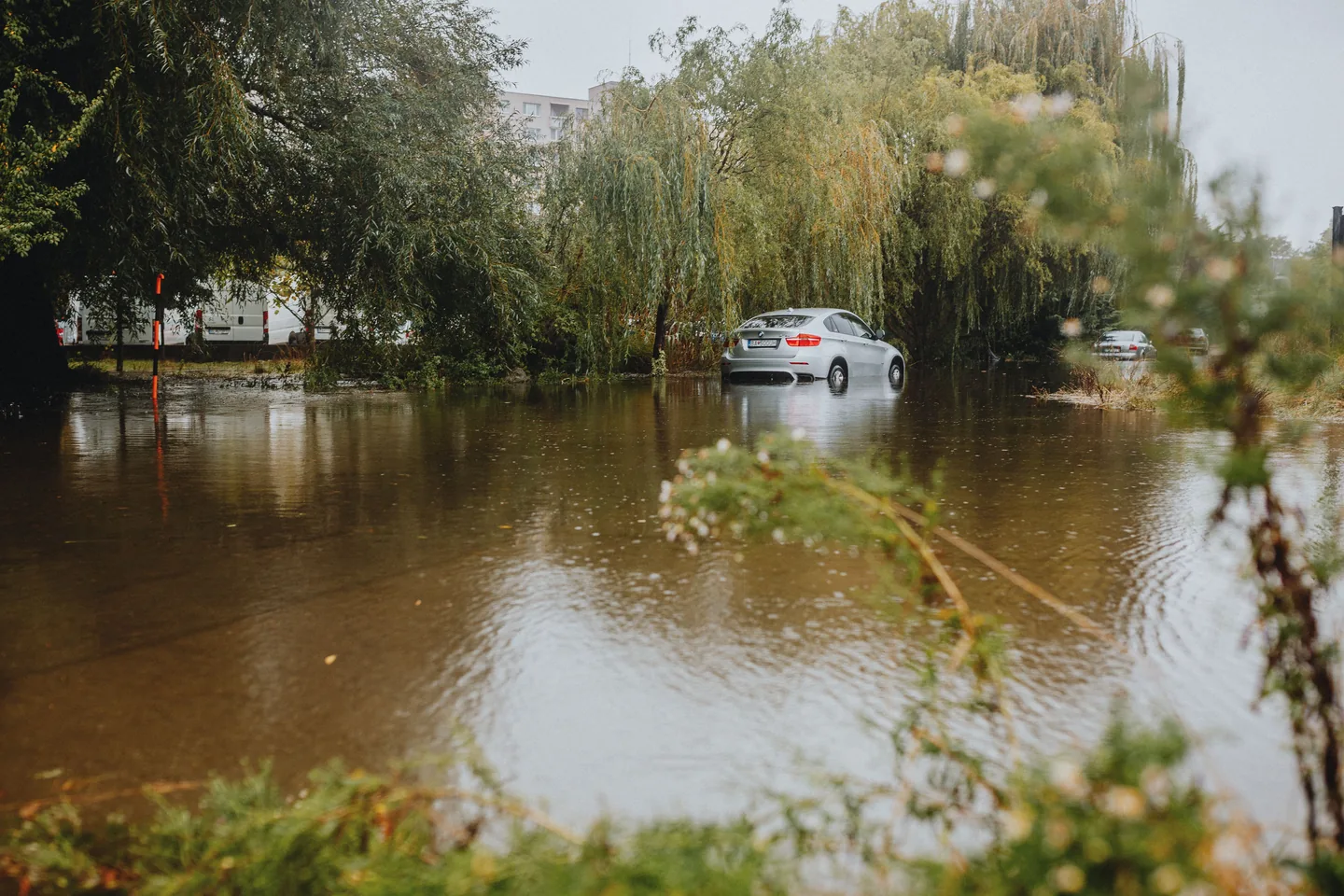
If your car is in water
- If water is rising around your car and you can get out safely, leave it and move to higher ground.
- If water is rising inside the car, unbuckle, open or break the window, and climb out onto the roof. Call 911.
- If your car is swept away, stay calm and get out through the window before it sinks.
At home
- Move to higher ground or the highest floor. Don't climb into a closed attic where you could be trapped; go onto the roof only if you must, and call for help.
- Turn off power at the main breaker only if you can reach it without standing in water.
- Stay away from creeks, drainage ditches, and storm drains.
After the flood
Floodwater can carry sewage, chemicals, and hidden debris, and it may be electrically charged. Stay out of it. Don't turn the power back on until an electrician checks it. See electrical safety after a flood, flood cleanup, and car flood damage.

Photograph the water line and all damage before cleaning. Most homeowners policies don't cover flooding; see flood insurance basics.
Frequently asked questions
How much water can sweep a car away?
About 12 inches of moving water can float and carry away most cars, and 2 feet can carry away SUVs and trucks.
Can you walk through floodwater?
Avoid it. Six inches of moving water can knock you down, and floodwater can hide open drains, debris, sewage, and live electrical wires.
What is the difference between a flood watch and a flood warning?
A watch means flooding is possible. A warning means flooding is happening or about to happen, so move to higher ground now.
Need help with your claim or paperwork?
NFCcop offers free guidance to storm survivors. Ask for free help or browse all disaster recovery resources.