Emergency Go Bag Checklist and Family Plan
Last reviewed November 7, 2026. Free public guidance from The New Faith Church and Co-op, Inc. (NFCcop), a 501(c)(3) nonprofit. This is general information, not legal or professional advice. Rules and deadlines can change, so confirm with the official sources below.
When a hurricane, fire, or flood forces you to leave, you may have only minutes. A packed go bag and a simple family plan mean you won't be scrambling. Start small and add to it over time; you don't need to buy everything at once.
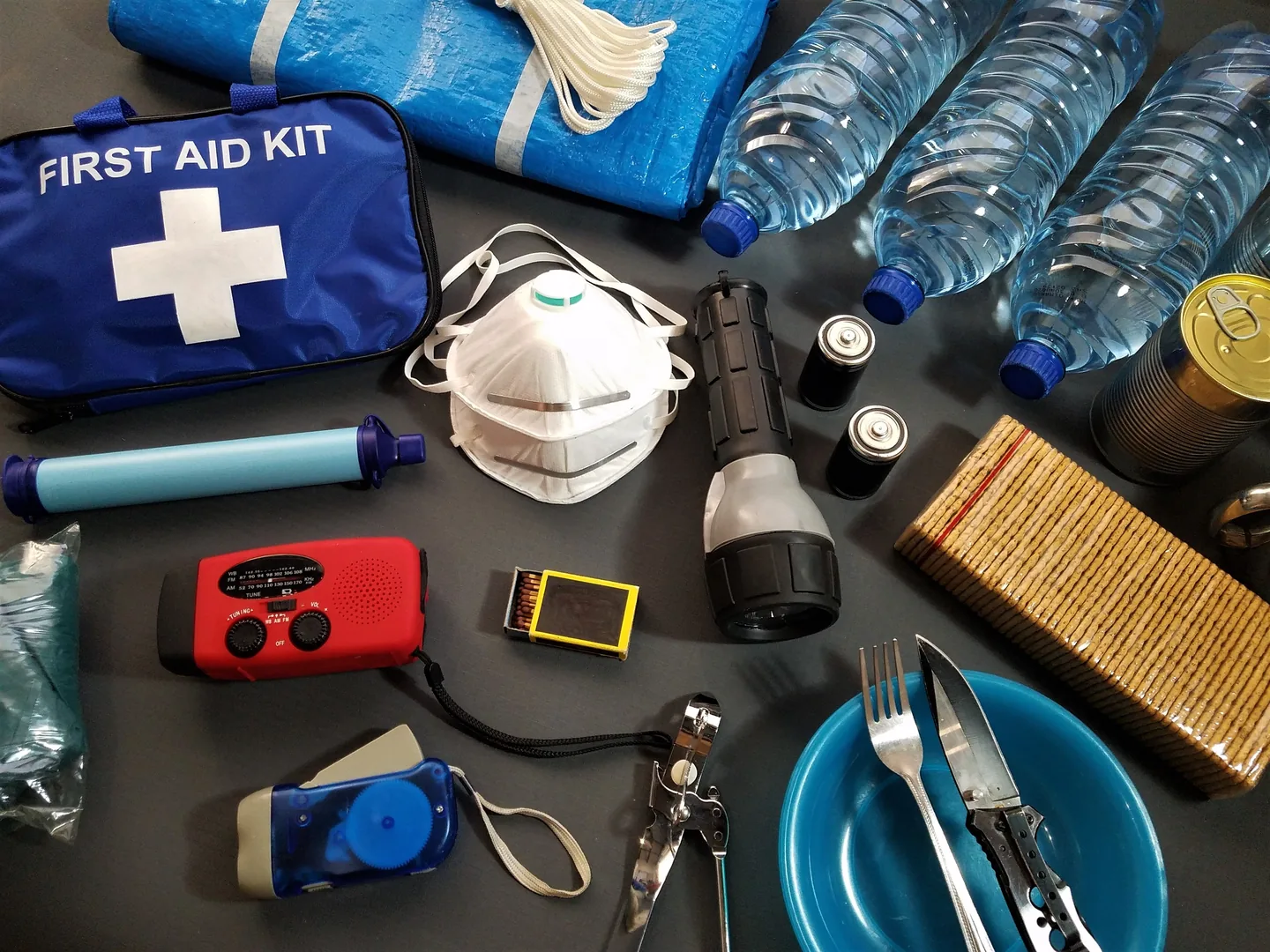
Go bag checklist
- Water: one gallon per person per day, for several days if you can carry it
- Food: non-perishable food that needs no cooking, plus a manual can opener
- Medicine: a supply of prescriptions, a list of medicines and doses, and glasses or contacts
- Light and power: flashlight, extra batteries, phone charger, and a power bank
- Radio: battery or hand-crank radio, ideally a NOAA weather radio
- First aid kit, plus a whistle to signal for help
- Documents: copies of IDs, insurance policies, and bank information in a waterproof bag, or saved securely online
- Cash in small bills; ATMs and card readers may be down
- Change of clothes, sturdy shoes, rain gear, and a blanket
- Hygiene items, wet wipes, and garbage bags
- Dust masks, work gloves, and local maps
- Baby supplies, pet supplies, and medical equipment as needed
Make a family emergency plan
- Pick two meeting places: one near home and one outside your neighborhood.
- Choose an out-of-town contact. After a disaster it's often easier to reach someone far away. Everyone checks in with that person.
- Write down phone numbers. Don't rely on your phone's memory. Keep a paper list in each bag and wallet.
- Plan your routes. Know two ways out of your neighborhood.
- Plan for everyone: children at school, older relatives, people with disabilities, and pets. See pets in disasters and medical equipment planning.
- Practice once or twice a year.
Text instead of calling after a disaster; texts get through when calls can't.
Before the storm
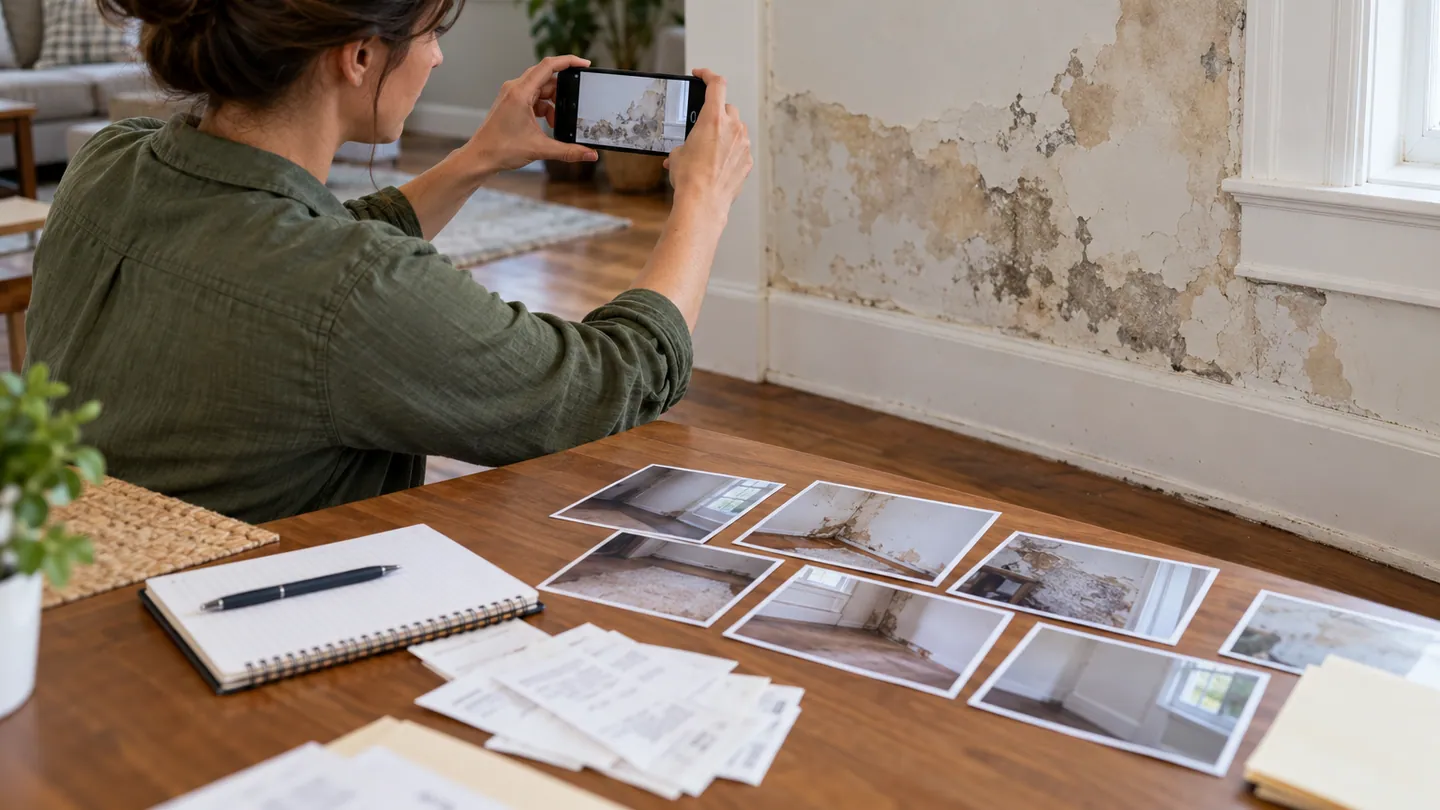
Take photos or a video of every room, including closets and garage, and store it online. Keep your car's gas tank at least half full during storm season. See the hurricane prep checklist and how to find an emergency shelter.
Frequently asked questions
How much water should I keep for emergencies?
Plan on one gallon per person per day, for several days. Store more for pets and for hot weather.
What documents should go in a go bag?
Copies of IDs, insurance policies, medical information, and bank information, kept in a waterproof bag or stored securely online.
Why do I need an out-of-town contact?
After a disaster, local phone lines are often jammed, but long-distance calls and texts may get through. Everyone checks in with the same person.
Need help with your claim or paperwork?
NFCcop offers free guidance to storm survivors. Ask for free help or browse all disaster recovery resources.