Wind Damage to Your Roof: Signs and Next Steps
Last reviewed November 7, 2026. Free public guidance from The New Faith Church and Co-op, Inc. (NFCcop), a 501(c)(3) nonprofit. This is general information, not legal or professional advice. Rules and deadlines can change, so confirm with the official sources below.
High winds from hurricanes, thunderstorms, and tornadoes can tear off shingles or loosen them in ways that are hard to see. Even small wind damage can let water in and cause leaks, rot, and mold later.
Check safely from the ground
Don't climb onto a damaged or wet roof. Use binoculars or zoom in with your phone camera, and look for:
- Missing shingles or bare spots
- Lifted, curled, or creased shingles. Wind can lift tabs and break the seal without tearing them off.
- Damaged or missing ridge caps along the peak
- Bent or loose flashing around chimneys, vents, and skylights
- Shingle pieces or granules in the yard and gutters
- Damaged gutters, soffits, fascia, or siding
- Fallen limbs on the roof. See tree fell on house.
Check inside
- Water stains or bubbling paint on ceilings and walls
- Daylight or wet insulation in the attic
- Musty smells
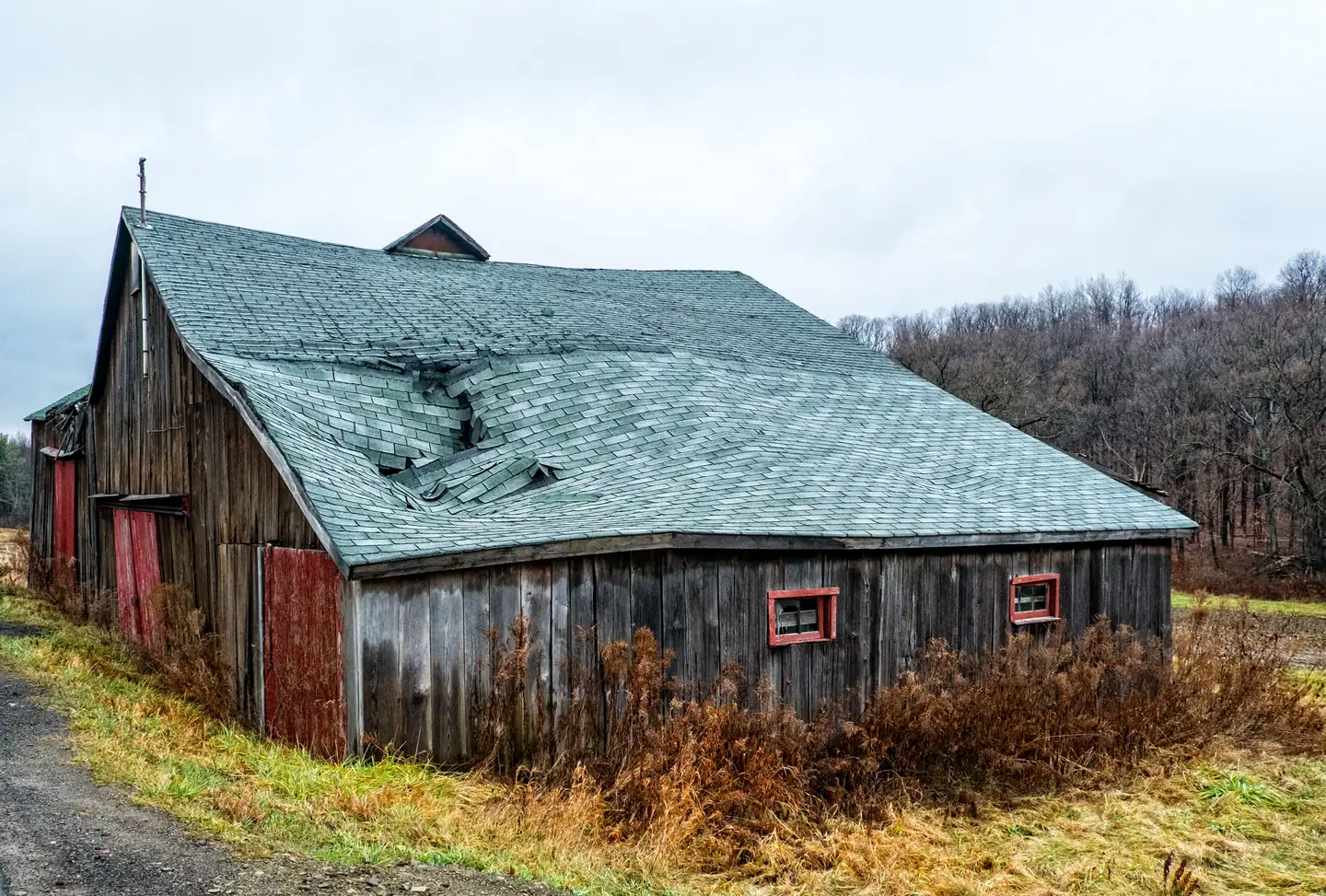
Prevent more damage
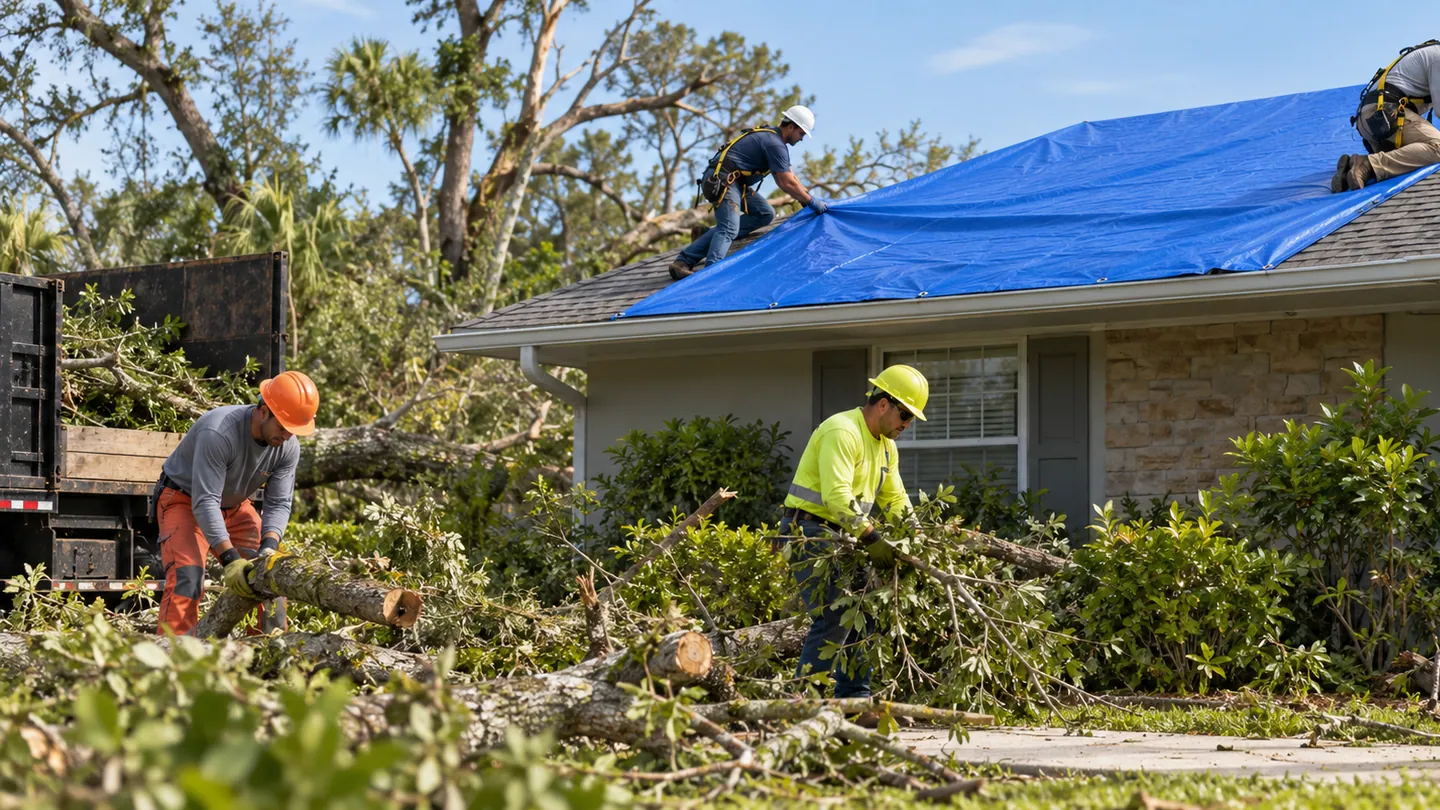
Most policies expect you to take reasonable steps to stop further damage. Cover openings with a tarp, or hire a pro to do it, and keep all receipts. See the roof tarp guide and roof leak first steps.
Document and file
- Photograph and video the roof, yard debris, and interior damage with dates.
- Report the claim to your insurer promptly. Note any deadlines in your policy.
- Check your declarations page for a separate wind or hurricane deductible, which may be a percentage of your home's insured value.
- Get a written estimate from a licensed, insured roofer. Compare it with the adjuster's estimate.
Be wary of storm-chaser roofers who knock on doors after storms. See how to hire a contractor and disaster scams. For hail, see hail damage to your roof.
Frequently asked questions
How can I tell if my roof has wind damage?
From the ground, look for missing, lifted, or creased shingles, damaged ridge caps, loose flashing, and debris. Inside, look for ceiling stains and wet insulation.
Should I climb on my roof after a storm?
No. Damaged or wet roofs are dangerous. Inspect from the ground with binoculars or a phone camera, or hire a licensed roofer.
What is a hurricane or wind deductible?
A separate deductible for wind or hurricane damage, often a percentage of your home's insured value. Check your declarations page.
Need help with your claim or paperwork?
NFCcop offers free guidance to storm survivors. Ask for free help or browse all disaster recovery resources.