How to Hire a Contractor After a Storm
Last reviewed November 5, 2026. Free public guidance from The New Faith Church and Co-op, Inc. (NFCcop), a 501(c)(3) nonprofit. This is general information, not legal or professional advice. Rules and deadlines can change, so confirm with the official sources below.
After a big storm, contractors arrive from everywhere, and so do scammers. Most problems come from paying too much up front, skipping the license check, or signing something you did not read. These steps protect your money and your insurance claim.
Red flags: walk away if you see these
- Door-to-door offers to start right now, especially with "leftover materials from a job down the street"
- Demands for cash, a large deposit, wire transfer, gift cards, or a payment app
- An offer to "cover your deductible" or to deal with your insurance company for you
- No local address, no license number, or a truck with no company name
- Pressure to sign today, or a blank or incomplete contract
- Anyone claiming to be from FEMA who asks for money. FEMA never charges to apply.
1. Check the license and insurance
Look the contractor up with your state's licensing board, using their name and license number.
- Georgia: the Secretary of State's license lookup (Residential and General Contractors)
- Florida: MyFloridaLicense.com (DBPR)
- Other states: search "[your state] contractor license lookup"
Ask for a certificate of insurance showing general liability and workers' compensation coverage. Call the insurer to confirm it is active. If an uninsured worker is hurt on your property, you could be the one who gets sued.
2. Get at least two or three written estimates
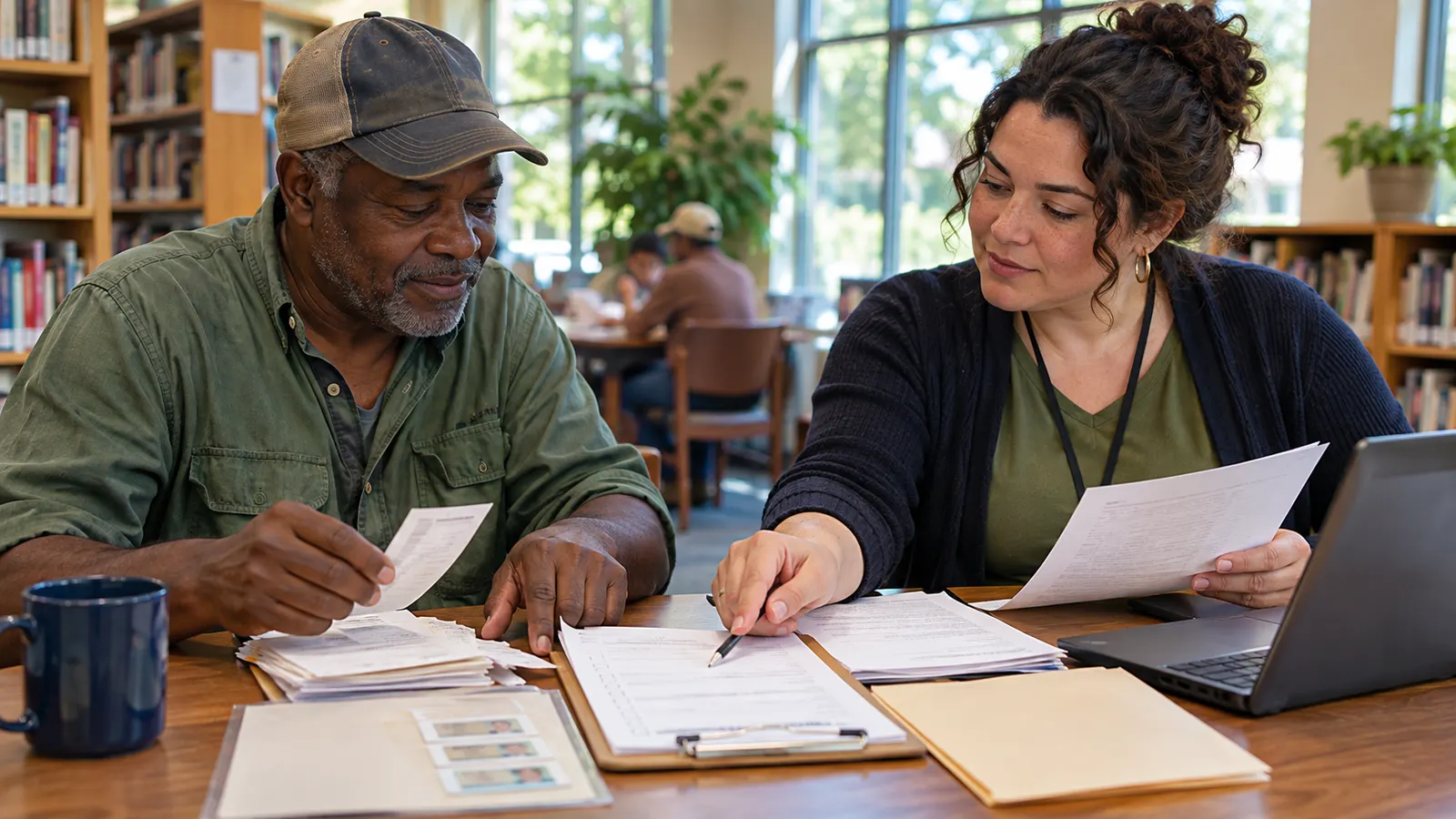
Do not automatically take the lowest bid. If the prices are far apart, ask why. Compare each estimate line by line with your insurance company's estimate. Missing items, such as tear-off, underlayment, flashing, or code upgrades, are where disputes start.
3. Get a complete written contract
The contract should include:
- The company name, address, and license number
- The exact work and materials, including brand and grade where it matters
- Start and completion dates
- The total price and a payment schedule tied to finished stages of work
- Who pulls the permits, and a cleanup clause
- Every verbal promise, written down
If you signed at your home, federal rules often give you three business days to cancel. Check the contract for the cancellation notice.
4. Pay safely
- Pay by check or credit card, never cash. Keep every receipt.
- Keep the deposit small. Some states cap how much a contractor can ask for up front, so check with your state consumer protection office.
- Hold the final payment until the work is finished, inspected, and you are satisfied.
- Before the final payment, ask for lien waivers from the contractor and major suppliers, so no one can put a lien on your home for unpaid bills.
5. Protect your insurance check
Never sign your insurance check over to a contractor. If your mortgage company is on the check, ask how it releases repair money in stages. Be very careful with any document that assigns your insurance benefits to a contractor. In Florida, assignment-of-benefits agreements are prohibited for residential property policies issued on or after January 1, 2023.
If something goes wrong
- Report scams to the FTC at ReportFraud.ftc.gov and to your state attorney general.
- File a complaint with the state licensing board.
- Keep the contract, texts, receipts, and photos of the work. Our documentation guide shows how to organize them.
Frequently asked questions
How much should I pay a contractor up front?
Keep the deposit small and tie the rest of the payments to completed stages of work. Some states legally cap deposits. Never pay in full before the work is done.
Can a contractor pay my insurance deductible?
Treat this as a red flag. An offer to waive or cover your deductible can be illegal and is often a sign of insurance fraud.
How do I check if a contractor is licensed?
Use your state licensing board's online lookup, such as Georgia's Secretary of State license search or Florida's MyFloridaLicense.com, and confirm their insurance directly with the insurer.
Need help with your claim or paperwork?
NFCcop offers free guidance to storm survivors. Ask for free help or browse all disaster recovery resources.