Boil Water Notice: What to Do and How Long to Boil
Last reviewed November 6, 2026. Free public guidance from The New Faith Church and Co-op, Inc. (NFCcop), a 501(c)(3) nonprofit. This is general information, not legal, medical, or professional advice. Rules can change, so confirm with the official sources below.
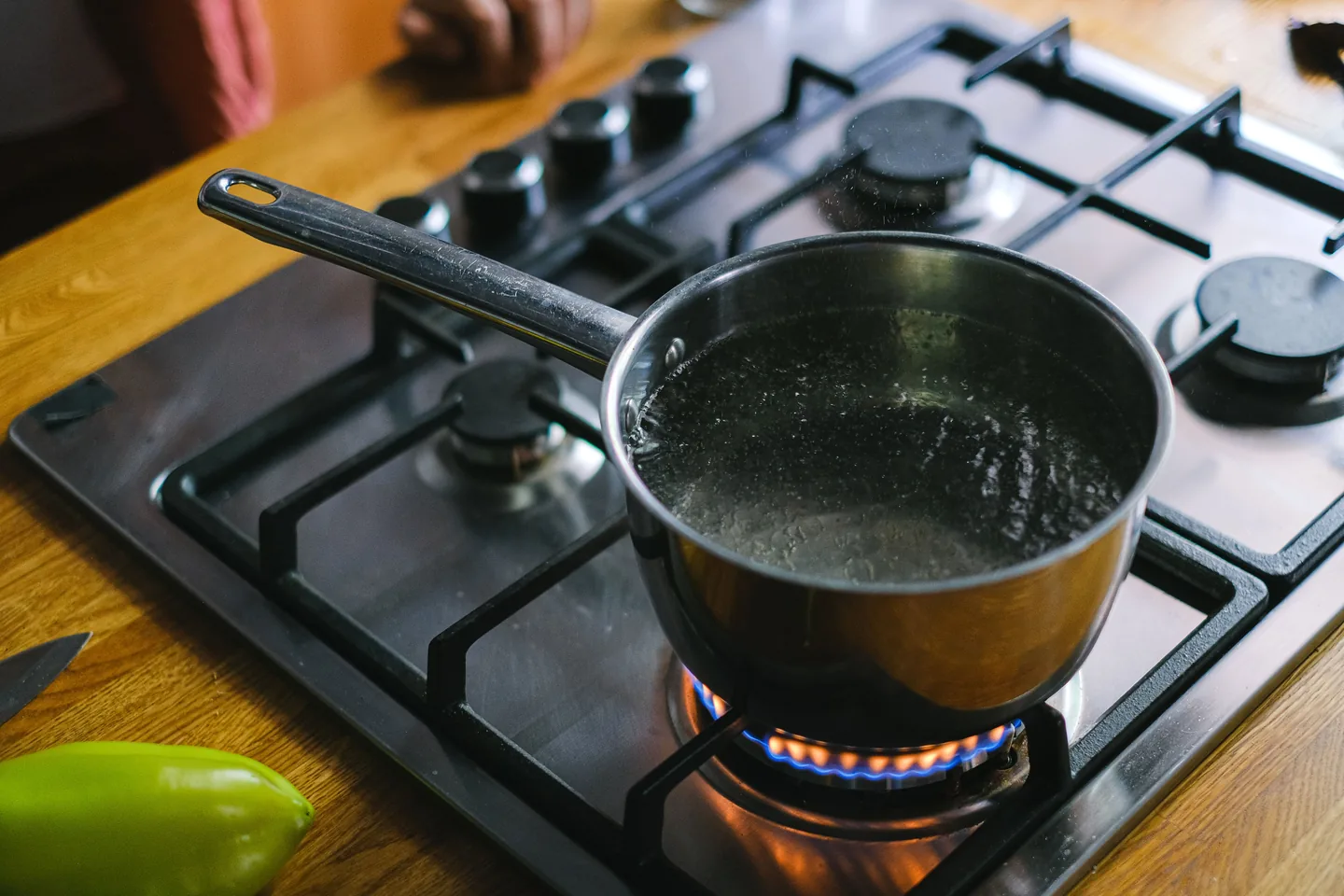
A boil water notice means your community tap water may contain germs that can make you sick. To make tap water safe, bring it to a full rolling boil for 1 minute before using it for drinking, cooking, or personal hygiene. You must follow these safety steps until your local water utility formally tests the lines and announces the notice is lifted.
How to Boil Water Correctly
Boiling water is the most reliable way to kill disease-causing organisms, including viruses, bacteria, and parasites. When storms cause line breaks or during a power outage that disables water treatment plants, pressure drops in pipes and lets ground water enter the system.
- Check clarity: If water looks cloudy or dirty, let it settle in a container first, then pour the clear water through a clean cloth or paper towel into your pot.
- Bring to a roll: Place the pot on your stove or safe heat source and heat until large, rolling bubbles rise continuously.
- Time the boil: Keep the water at a full rolling boil for 1 minute. If you live at high altitudes above 6,500 feet, keep it at a rolling boil for 3 minutes.
- Cool and store: Allow the hot water to cool naturally. Pour it into sanitized food-grade containers with tight lids.
When to Use Boiled or Bottled Water
During an active notice, tap water that has not been boiled is not safe to swallow or put near open mucous membranes. Always use boiled water or sealed bottled water for:
- Drinking and beverage mixing: All drinking water, powdered drinks, and coffee brewing.
- Baby formula: Preparing infant formula and cereals.
- Making ice: Throw out any ice cubes currently in your freezer tray or automated dispenser, as they were likely made with untreated water.
- Brushing teeth: Never rinse your mouth or toothbrush with unboiled tap water.
- Washing food: Rinsing fresh fruits, salad greens, and vegetables.
- Cooking: Adding water to food dishes, boiling pasta, or making soups.
Bathing, Washing Dishes, and Cleaning
You can still clean your home and body, but you need to take precautions to prevent swallowing dirty water or spreading germs.
Showering and Bathing
Adults and older children may take showers or baths as long as they do not swallow water. Be careful to keep water out of your mouth, eyes, and nose. For infants and toddlers, give them a sponge bath using boiled and cooled water or clean bottled water to prevent accidental swallowing.
Washing Dishes
If you use an automatic dishwasher, it is generally safe only if it reaches a sanitizing cycle hot enough to kill germs, or if it has a heated dry cycle. When washing by hand, wash dishes in hot soapy tap water, then rinse them in a second basin containing water disinfected with unscented household bleach according to public health guidelines, or use cooled boiled water for the final rinse.
Doing Laundry
In most cases you can do laundry as usual during a boil water notice. Follow any specific instructions from your water utility.
What to Do If You Cannot Boil Water
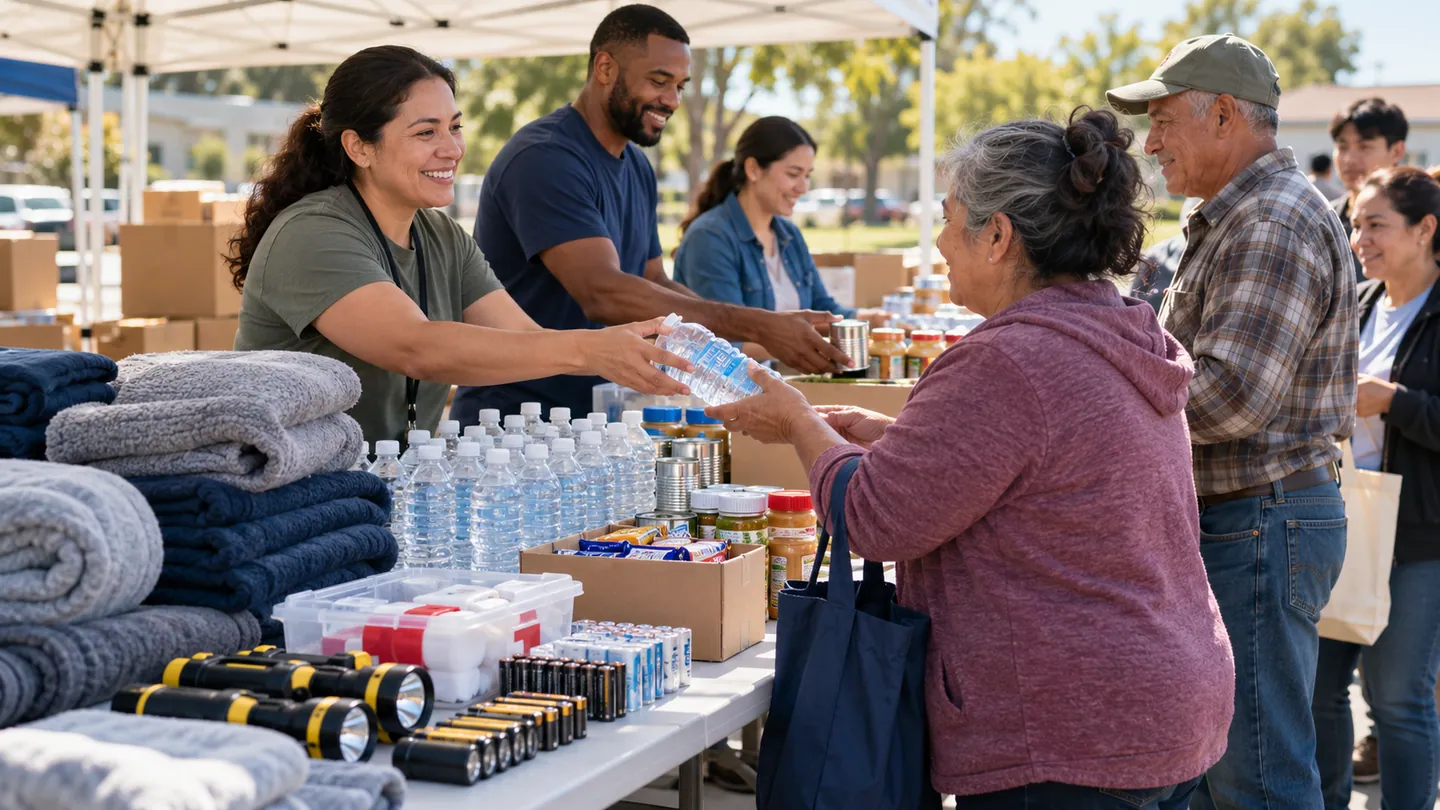
If power lines are down and you cannot safely boil water on a stove or camping burner, commercially bottled water is your safest choice. Keep in mind that running outdoor appliances inside is extremely dangerous; always review generator safety rules and never run combustion equipment indoors.
If bottled water is unavailable and you have no way to boil, you can disinfect clear tap water using fresh, unscented household liquid chlorine bleach. Public health authorities outline exact dilution tables based on bleach concentration. Please follow the instructions provided directly by the CDC before attempting chemical disinfection.
What to Do When the Notice Is Lifted
Do not resume normal tap water use until the utility company issues a formal notice that your water meets clean drinking standards. Once lifted, complete these steps:
- Flush all indoor pipes: Run cold water taps for at least 2 to 3 minutes to flush out old water from the plumbing.
- Empty ice makers: Run your automatic ice maker through three full batches of ice, discarding each batch, and sanitize the storage bin.
- Flush hot water tanks: Run hot water taps to cycle freshwater through water heaters.
- Change filters: Replace all water filter cartridges on refrigerators, inline systems, and pitcher units.
Frequently asked questions
How long do I need to keep boiling my water?
You must continue to boil your water until your local public water utility officially lifts the advisory. Even if the water runs clear from your tap, harmful bacteria and germs can still be present.
Can I use my home water filter instead of boiling?
Most household pitcher and refrigerator filters remove taste and minerals, but they do not kill or remove germs. Only use filters certified to remove biological contaminants, or boil the water.
Is it safe to bathe or shower during a boil water advisory?
Adults and older children can take quick showers, but be very careful not to swallow any water. Give young children and babies sponge baths with safe or boiled water instead.
Can my pets drink tap water during a notice?
No. Pets can become sick from the same bacteria and parasites that harm humans. Always give your pets boiled and cooled water or bottled water.
Official sources
Need help with your claim or paperwork?
NFCcop offers free guidance to storm survivors. Ask for free help or browse all disaster recovery resources.