Price Gouging After a Disaster: How to Spot It and Report It
Last reviewed November 6, 2026. Free public guidance from The New Faith Church and Co-op, Inc. (NFCcop), a 501(c)(3) nonprofit. This is general information, not legal, medical, or professional advice. Rules can change, so confirm with the official sources below.
Price gouging occurs when businesses or unscrupulous individuals sharply increase prices on vital necessities following an emergency declaration. Most states, including Georgia and Florida, have enacted specific statutes to protect consumers from unfair pricing during natural disasters. By saving receipts and reporting suspicious practices to state authorities, you help protect your entire community.
What Is Price Gouging?
Under normal market conditions, prices fluctuate based on everyday supply and demand. However, when a governor declares a formal state of emergency, special emergency pricing statutes take effect.
Under these consumer protection statutes, merchants cannot charge excessive or unjustified prices for items required for daily survival and safety. The law generally applies to essential retail goods, building materials, short-term lodging, and emergency labor. While legal definitions vary by state, sharp jumps without increased supplier costs are strictly prohibited.
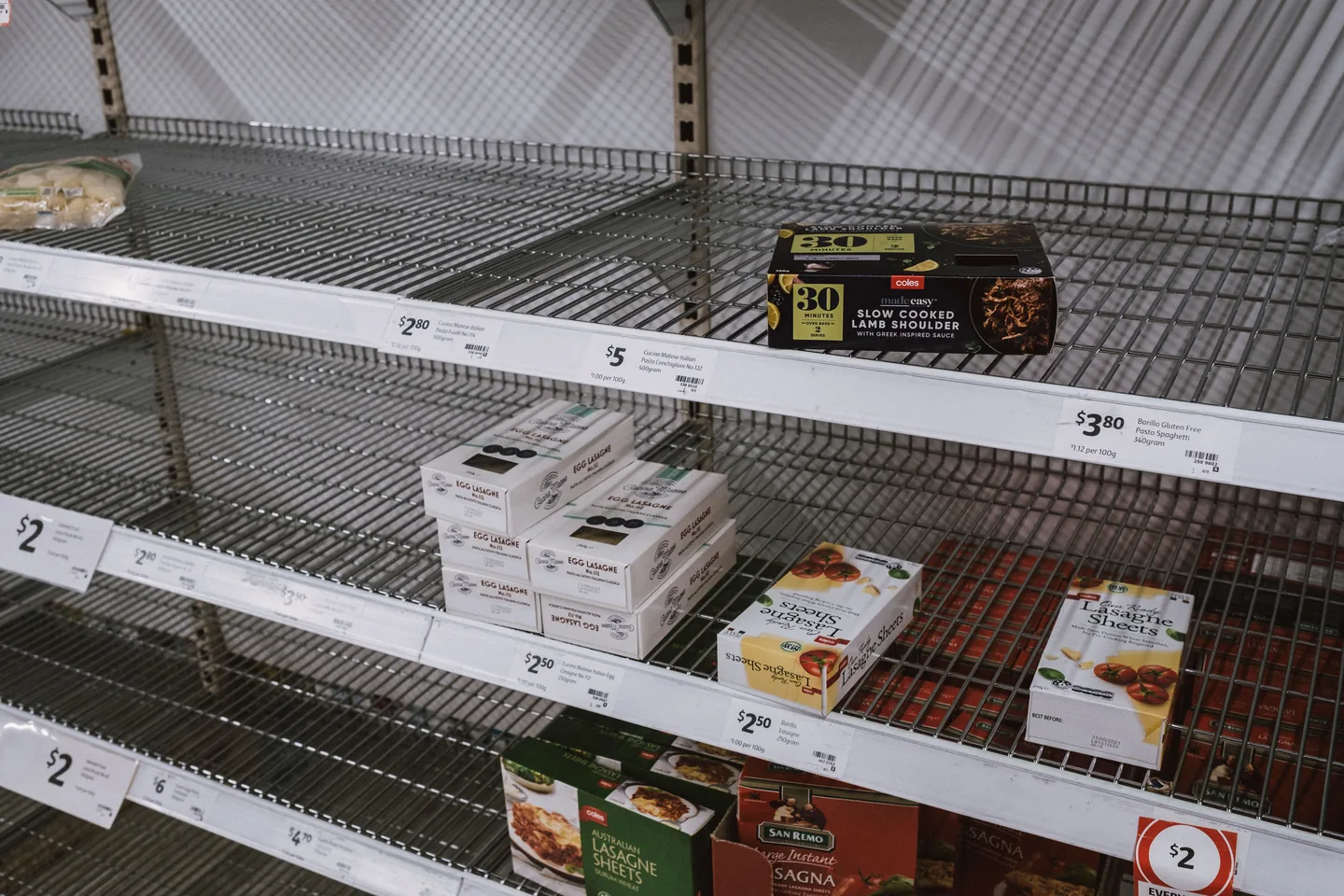
Common Examples of Gouging After Disasters
Price spikes are most common on products in sudden high demand immediately after a hurricane or severe storm hits:
- Fuel: Charging exorbitant amounts per gallon for automotive gasoline or diesel fuel.
- Drinking supplies: Selling cases of bottled water or bags of ice at double or triple standard prices during a municipal water disruption or a localized power outage.
- Temporary shelter: Dramatically raising night-to-night rates at motels or hotels located near evacuation corridors.
- Emergency hardware: Inflating prices on portable generators, extension cords, flashlights, and tarps.
- Storm cleanup work: Tree removal crews or repair companies demanding excessive upfront deposits. Before agreeing to emergency repairs, review guidelines on how to hire a contractor after a storm safely.
How to Document Price Gouging
Regulatory agencies need solid, verifiable evidence before they can fine dishonest merchants or bring legal actions. When you spot an unfair price, gather as much documentation as possible before challenging the seller:
- Photograph the price: Take clear, sharp photos of the store shelf tag, sticker, or price display board.
- Save original receipts: Keep complete paper receipts showing the merchant name, address, transaction date, and the itemized price you paid.
- Record business details: Note the full business name, exact physical address, pump or register number, and the names of any managers you spoke with.
- Document estimates: If dealing with a contractor or tree removal service, request a complete written estimate on official company letterhead detailing labor and equipment rates.
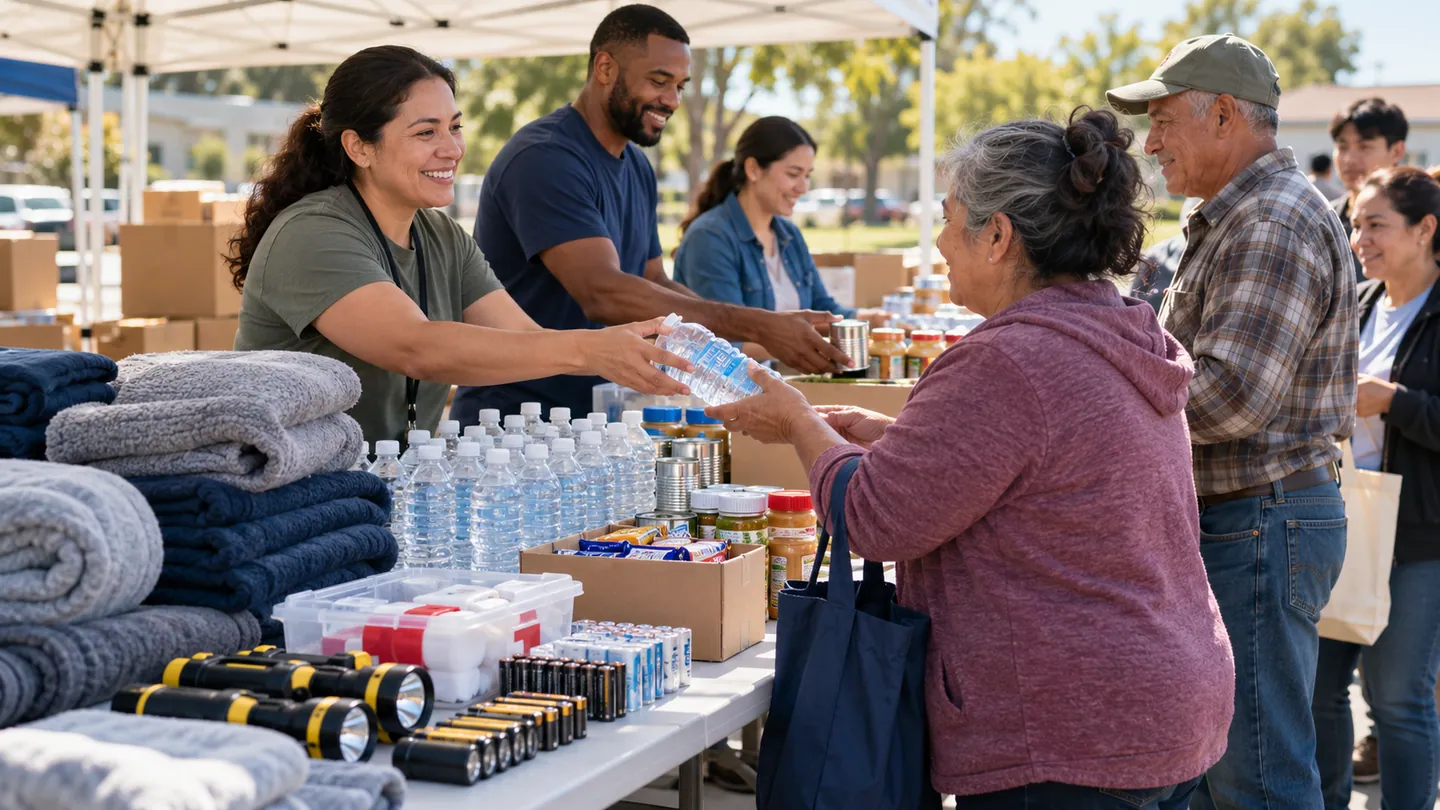
Where to Report Gouging and Scams
Do not attempt to argue with merchants at the register. Pay if you must for immediate family survival, collect your receipt, and report the transaction directly to state enforcement agencies:
- State Attorney General: Price gouging laws are enforced primarily by state attorneys general. Contact your state's consumer protection division through their official website or consumer complaint hotline.
- Florida residents: In Florida, consumers can call the state's dedicated price gouging hotline directly at 1-866-966-7226 or file through the Attorney General's online portal.
- Georgia residents: In Georgia, reports can be submitted to the Georgia Department of Law’s Consumer Protection Division via their official web portal.
- Federal Trade Commission (FTC): For deceptive consumer practices, fraudulent contractors, or national phone and internet scams, file an incident report at ReportFraud.ftc.gov.
Frequently asked questions
What qualifies as illegal price gouging?
Price gouging occurs when a merchant drastically raises prices on essential goods or services after a formal state of emergency is declared, beyond normal increases in wholesale supply costs.
What goods and services are protected by emergency price laws?
Statutes generally cover essential supplies including gasoline, drinking water, ice, non-perishable food, portable generators, hotel rooms, lumber, and tree-removal or home repair services.
Can a store raise prices if their supplier charged them more?
Yes. Most state laws allow merchants to raise prices if they can prove the increase was directly caused by higher transportation, raw material, or wholesale supply costs.
What information should I write down to file a complaint?
Note the store name, street address, exact product description, date, quoted price, and save printed receipts or photos of price tags.
Official sources
Need help with your claim or paperwork?
NFCcop offers free guidance to storm survivors. Ask for free help or browse all disaster recovery resources.