Livestock and Horse Disaster Preparedness
Last reviewed November 9, 2026. Free public guidance from The New Faith Church and Co-op, Inc. (NFCcop), a 501(c)(3) nonprofit. This is general information, not legal or professional advice. Rules and deadlines can change, so confirm with the official sources below.
Horses, cattle, goats, and other livestock can't be loaded into the car at the last minute. Moving large animals takes trailers, time, and a place to go. The key is deciding ahead of time whether you'll evacuate them or keep them safe in place, and preparing for both.
Identify every animal
- Use permanent ID such as microchips, ear tags, brands, or tattoos.
- Keep current photos of each animal, with you in some of them, plus ownership and vaccination records, in your go bag and saved online.
- During an evacuation, a livestock marker or a luggage tag on a halter with your phone number helps others return your animals.
Plan to evacuate early
- Line up trailers and drivers ahead of time, and practice loading so animals will load under stress.
- Find destinations outside the danger area: fairgrounds, other farms, or equine centers. Ask your county or extension office which sites take livestock during disasters.
- Leave as soon as a warning is issued. Roads may close before an evacuation order for people.
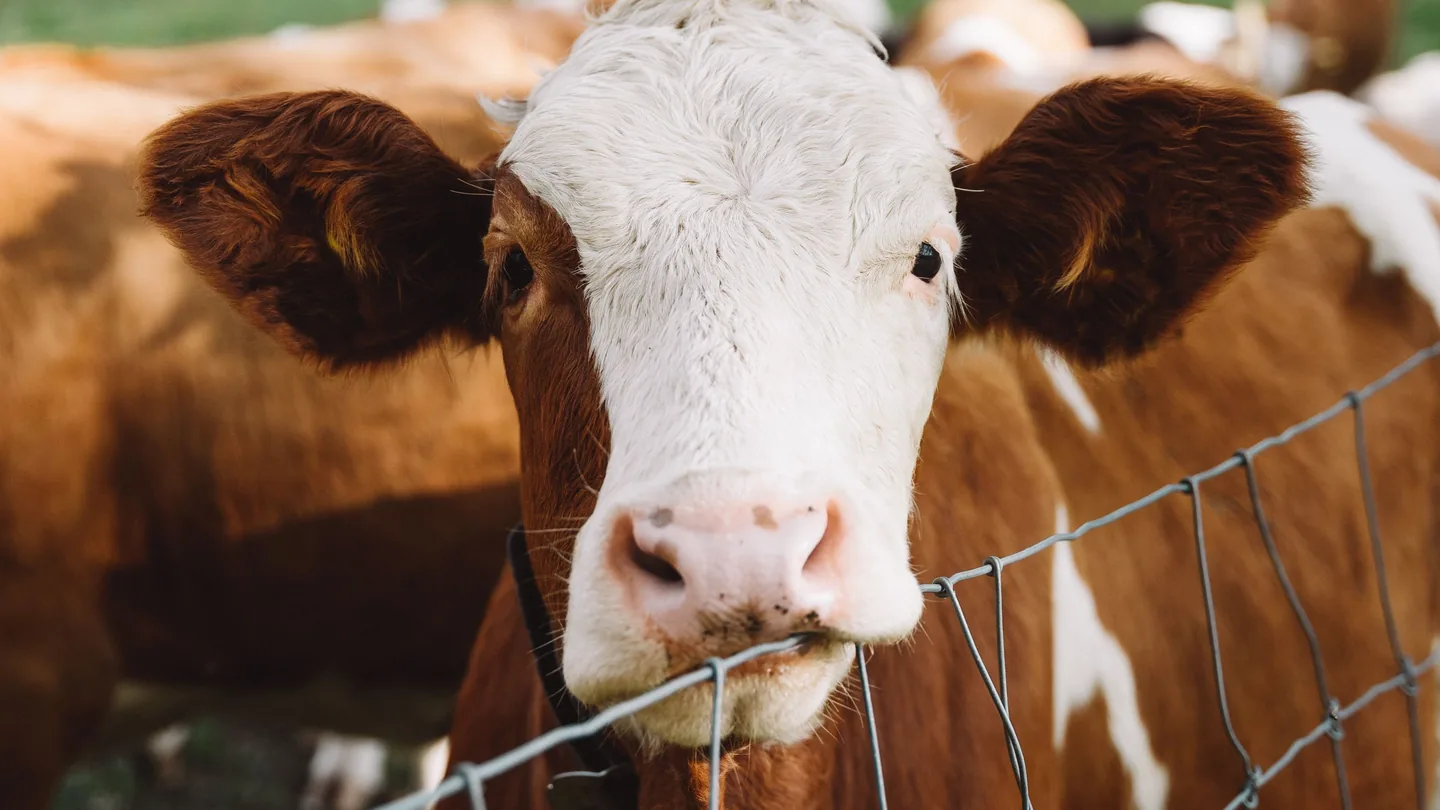
If you can't evacuate
- Choose the safest area on your property: high ground away from flooding, power lines, and trees. In hurricanes, open pasture on high ground is often safer for horses than a closed barn that could collapse or flood.
- Remove halters with metal parts that could get caught, or use breakaway halters.
- Have water and feed for at least a week. A horse can drink 10 or more gallons of water a day, more in heat. Water pumps may not work without power.
- Never leave animals tied or locked in a building that could flood.
After the disaster
- Check fences, water, and pastures for debris, nails, downed power lines, and dead animals before turning livestock out.
- Watch for injuries, illness from contaminated water, and stress. Call your veterinarian.
- If animals are lost, contact local animal control, your county extension office, and neighbors with photos and ID.
- The USDA Farm Service Agency may help with livestock losses and feed after some disasters. Keep records of losses.
For smaller animals, see pets in disasters. For wildfire, see the wildfire evacuation checklist. For flooded wells used for livestock water, see well water after a flood.
Frequently asked questions
Should I evacuate my horses before a hurricane?
If you can do it safely and early, yes. Line up trailers and a destination ahead of time. If you can't, a high-ground pasture away from trees and power lines is often safer than a closed barn.
How should I identify livestock for a disaster?
Use microchips, ear tags, brands, or tattoos, keep photos and records, and attach a tag with your phone number during evacuation.
How much water does a horse need in an emergency?
A horse can drink 10 or more gallons a day, more in hot weather. Store at least a week of water and feed.
Need help with your claim or paperwork?
NFCcop offers free guidance to storm survivors. Ask for free help or browse all disaster recovery resources.