Emergency Kit for Babies and Toddlers
Last reviewed November 9, 2026. Free public guidance from The New Faith Church and Co-op, Inc. (NFCcop), a 501(c)(3) nonprofit. This is general information, not legal or professional advice. Rules and deadlines can change, so confirm with the official sources below.
Babies depend completely on the adults around them, and safe feeding is the biggest challenge during a power or water outage. Packing a baby kit ahead of time, and knowing how to prepare feedings without clean tap water, keeps your little one safe.
What to pack
- Ready-to-feed liquid formula if your baby uses formula. It needs no water and is the safest choice in an emergency.
- Disposable bottles and nipples, or extra clean bottles, plus a few days of formula beyond what you think you need
- Bottled water for mixing powdered formula, if you use it
- Diapers and wipes for at least several days, plus diaper cream
- Baby medicines, a thermometer, and copies of vaccination records
- Changes of clothes, blankets, a baby carrier, and a portable crib or safe sleep space if you evacuate
- For toddlers: snacks, a sippy cup, and a favorite toy or book
Add it to your family's go bag.
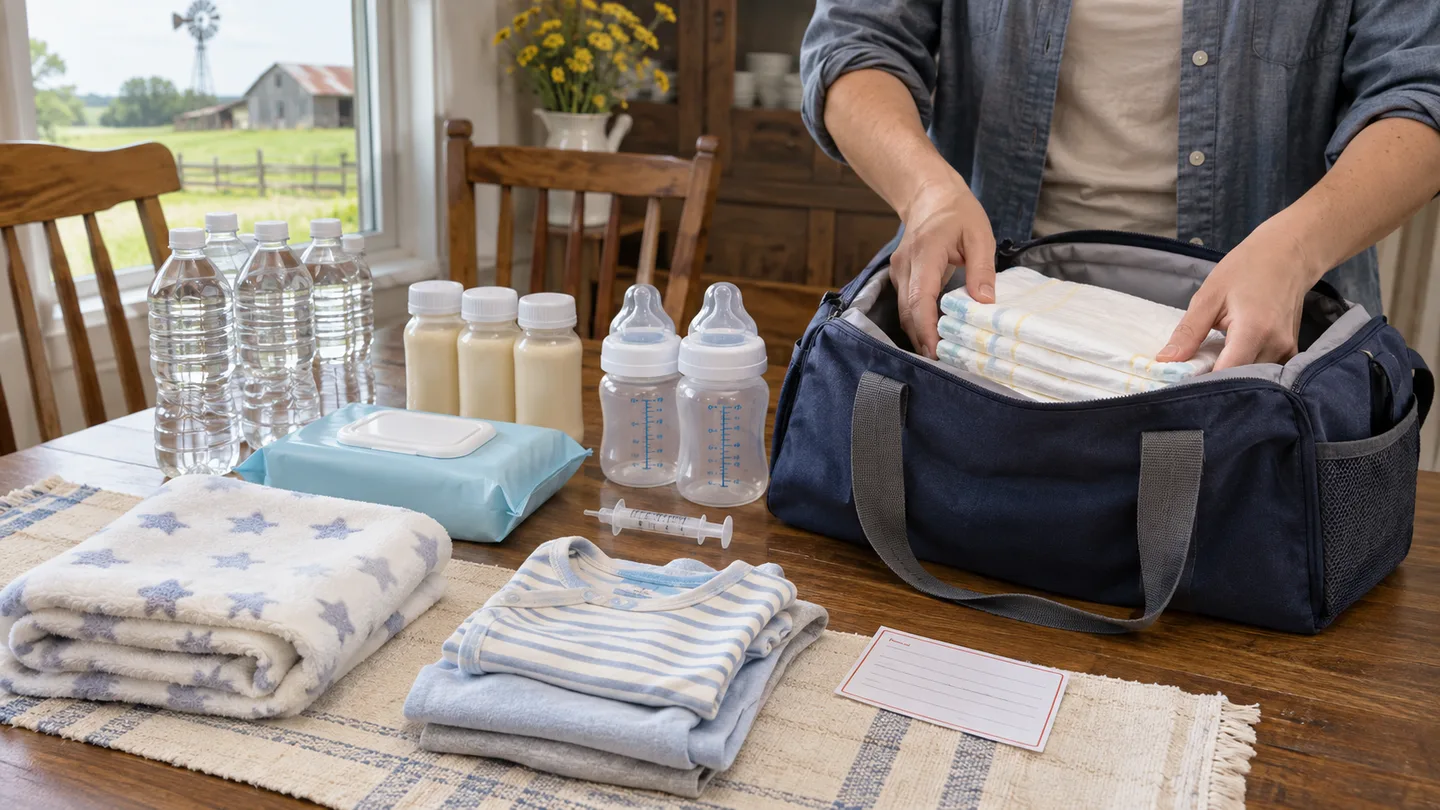
Feeding safely
- Breastfeeding: keep breastfeeding if you can. Breast milk needs no water or power. Stress doesn't usually stop milk supply; feed often and drink plenty of safe water yourself.
- Formula: use ready-to-feed formula when possible. If you must use powder, mix it only with bottled water or water that was brought to a rolling boil for 1 minute and cooled.
- Never water down formula to make it last longer, and never use homemade formula. Both can make babies seriously ill.
- Throw out prepared formula that sits out more than 2 hours, or 1 hour after a feeding starts.
- If you can't wash bottles with safe hot water, use disposable bottles or feed with a clean cup.
During a boil water notice, see boil water notice basics. For food safety in an outage, see food safety after a power outage.
Safe sleep and heat
Babies should sleep on their backs on a flat, firm surface, even in a shelter. Babies overheat and get cold faster than adults; watch them closely during outages. See heat illness.
Running out?
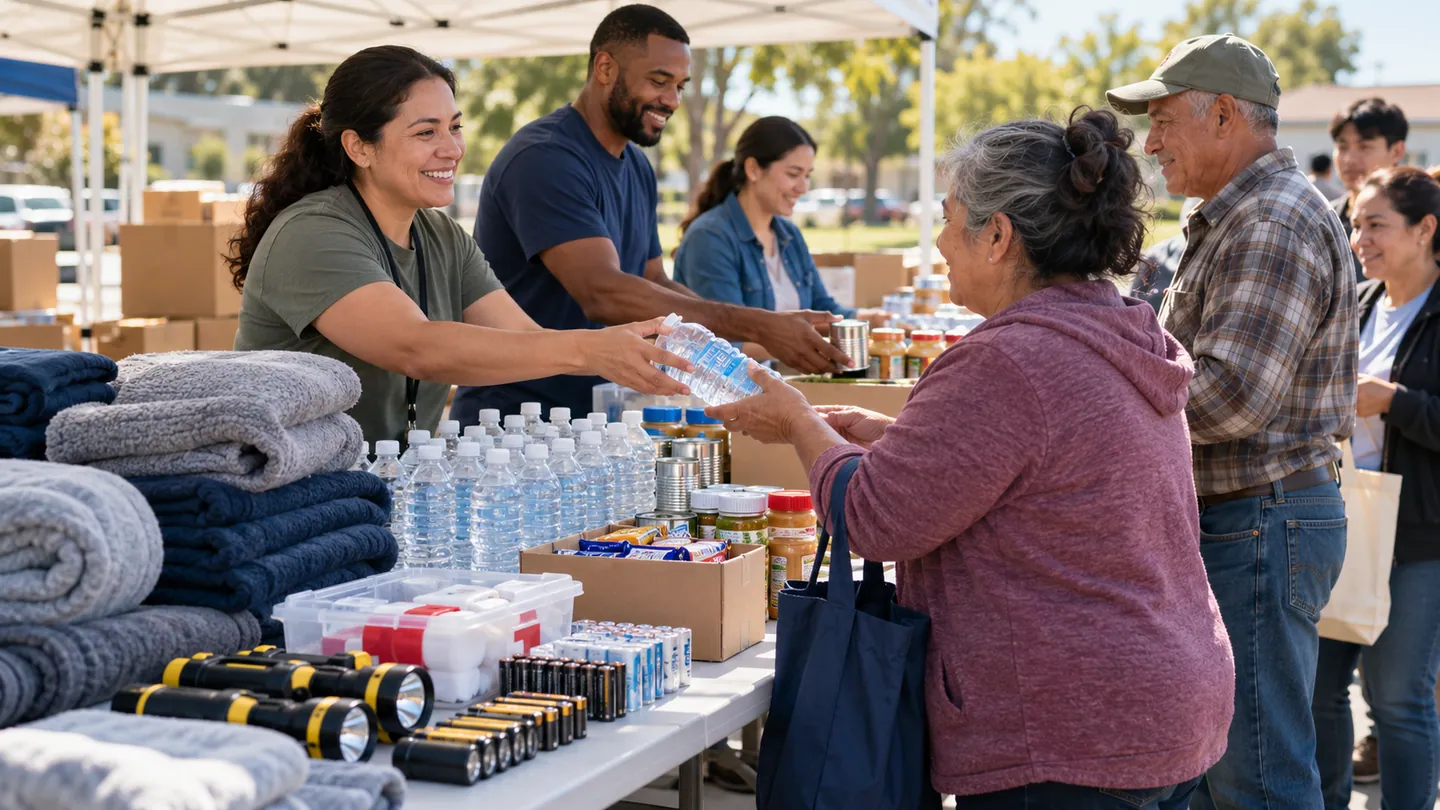
Shelters and disaster food programs often have formula and diapers. Call 211 or see disaster food assistance. WIC offices can also help families with infant formula.
Frequently asked questions
What formula is best for an emergency kit?
Ready-to-feed liquid formula, because it needs no water. If you use powder, mix it only with bottled or boiled and cooled water.
Can I water down formula to make it last?
No. Never dilute formula or use homemade formula. It can make babies seriously ill. Ask shelters, 211, or WIC for help getting more.
Should I keep breastfeeding during a disaster?
Yes, if you can. Breast milk needs no water or power and protects your baby. Feed often and drink plenty of safe water.
Need help with your claim or paperwork?
NFCcop offers free guidance to storm survivors. Ask for free help or browse all disaster recovery resources.