Heat Stroke and Heat Exhaustion: Signs and First Aid
Last reviewed November 9, 2026. Free public guidance from The New Faith Church and Co-op, Inc. (NFCcop), a 501(c)(3) nonprofit. This is general information, not legal or professional advice. Rules and deadlines can change, so confirm with the official sources below.
Extreme heat kills more people in the U.S. than most other weather. Heat illness can get worse quickly, especially after a storm knocks out power and air conditioning. Learn the warning signs and what to do, because heat stroke is a medical emergency.
Heat exhaustion
Signs: heavy sweating; cool, pale, clammy skin; fast, weak pulse; nausea or vomiting; muscle cramps; tiredness or weakness; dizziness; headache; fainting.
What to do:
- Move to a cooler place, ideally with air conditioning.
- Loosen clothing and put cool, wet cloths on the body, or take a cool bath.
- Sip water.
- Get medical help if the person is vomiting, if symptoms get worse, or if they last longer than an hour.
Heat stroke: call 911
Signs: body temperature of 103°F or higher; hot, red, dry or damp skin; fast, strong pulse; headache; dizziness; nausea; confusion; passing out.
What to do:
- Call 911 right away.
- Move the person to a cooler place.
- Cool them down quickly with cool cloths, a cool bath, or ice packs on the neck, armpits, and groin.
- Don't give them anything to drink if they're confused or not fully awake.
Who is at highest risk
Older adults, babies and young children, people with heart disease or other chronic illness, people who work or exercise outdoors, and people without air conditioning. Some medicines make it harder for the body to handle heat; ask your doctor or pharmacist. Check on neighbors who live alone.
Staying safe in extreme heat
- Spend the hottest part of the day somewhere with air conditioning. Call 211 to find a cooling center.
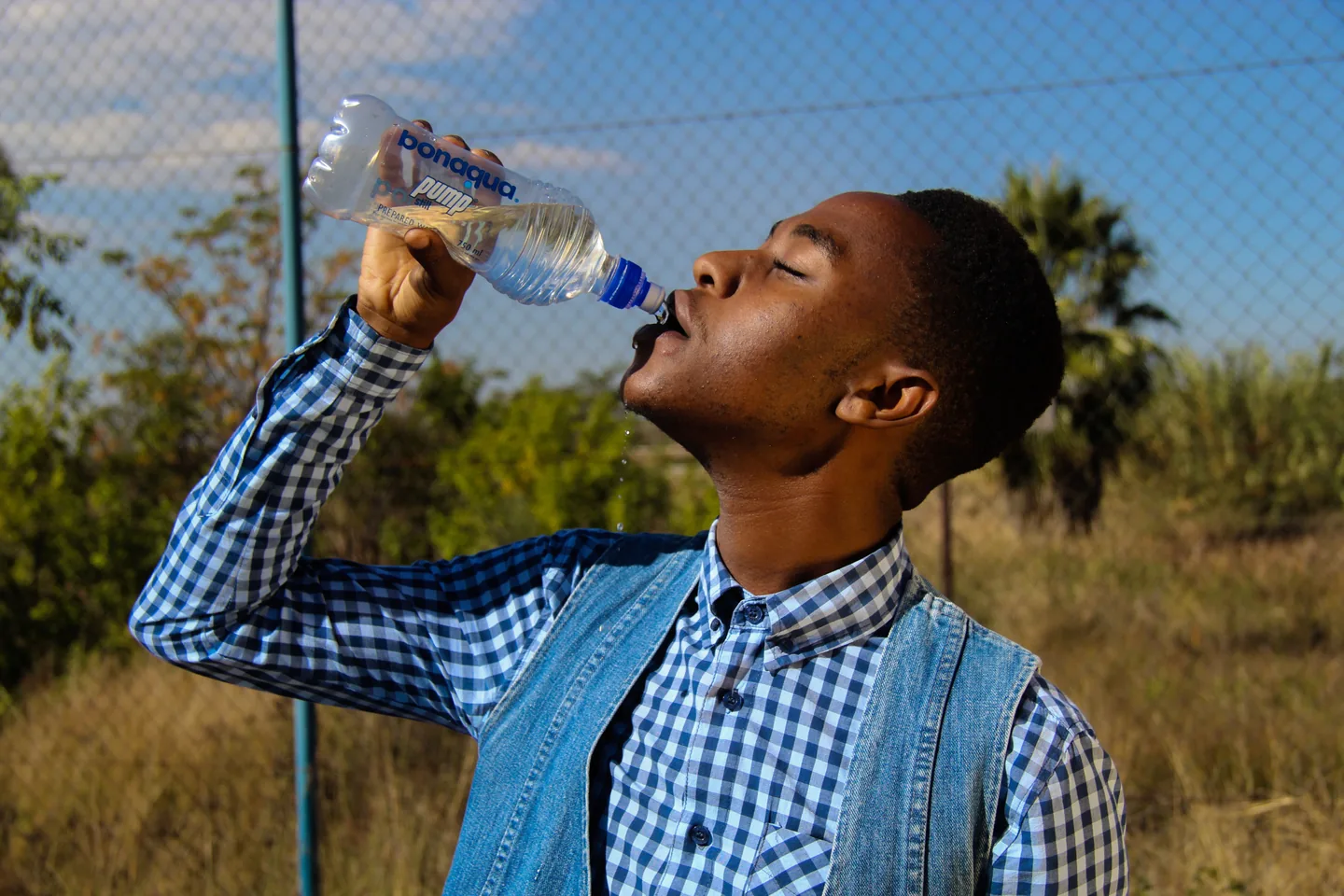
- Drink water regularly, even if you're not thirsty. Avoid alcohol and very sugary drinks.
- Wear loose, light-colored clothing, and limit outdoor work to early morning and evening.
- Never leave children, older adults, or pets in a parked car, even for a minute.
- Electric fans alone may not prevent heat illness when it's very hot.
Heat and power outages
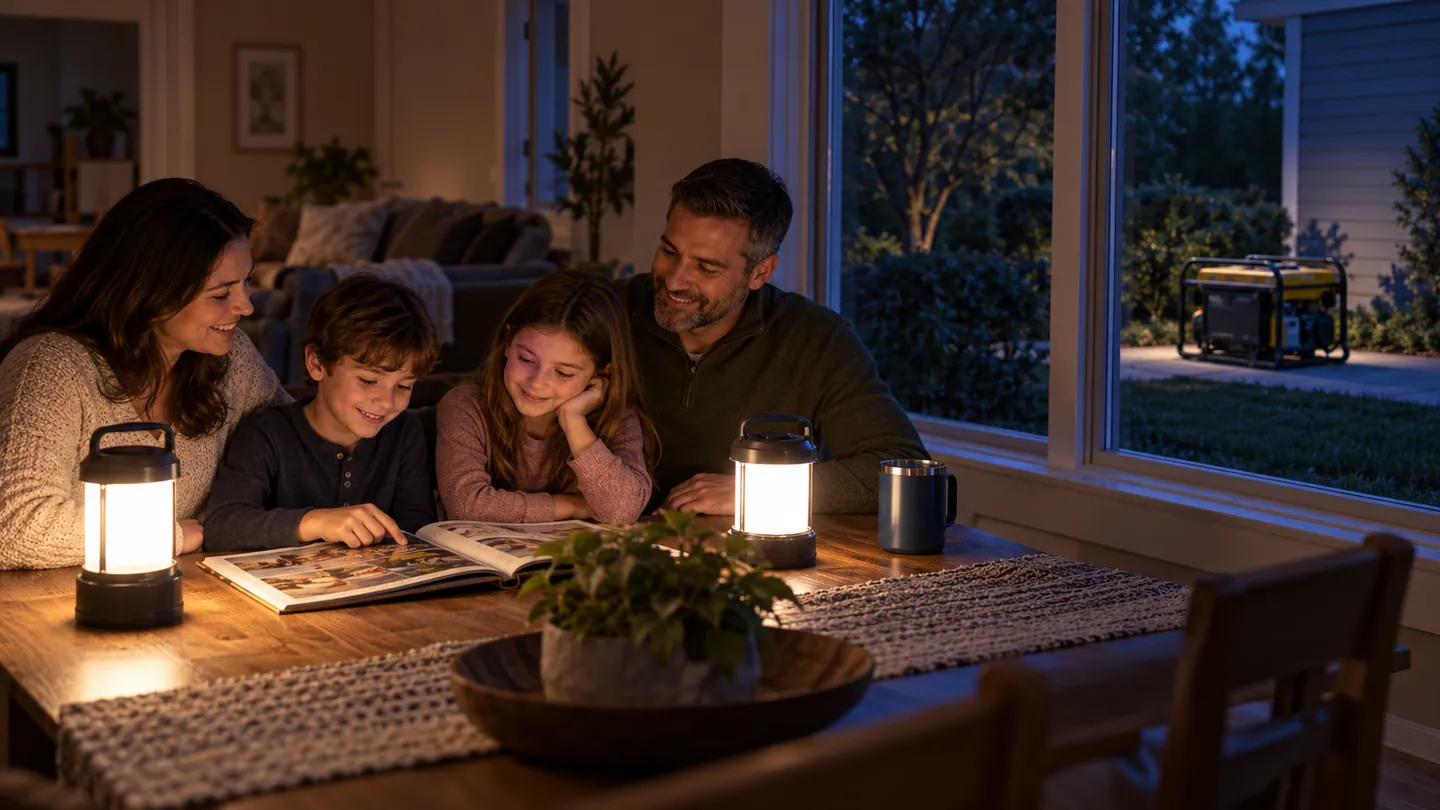
If you lose power in hot weather, move to a cooler place early instead of waiting it out. If you use a generator, keep it outside and far from windows. See generator safety and medical equipment during an outage.
Heat illness symptoms side by side
| Heat cramps | Heat exhaustion | Heat stroke (emergency) | |
|---|---|---|---|
| Body temperature | Normal | Normal to slightly high | 103°F or higher |
| Skin | Sweaty | Cool, pale, clammy, heavy sweating | Hot and red, dry or damp |
| Other signs | Painful muscle cramps or spasms | Nausea, vomiting, dizziness, weakness, headache, fainting | Confusion, slurred speech, fast strong pulse, passing out, seizures |
| What to do | Stop activity, move somewhere cool, sip water or a sports drink | Move somewhere cool, loosen clothes, cool cloths, sip water; get medical help if vomiting or symptoms last over an hour | Call 911 and cool the person right away |
The biggest warning sign of heat stroke is a change in thinking or behavior, like confusion or acting strangely. Don't wait to see if it gets better. Call 911.
How to cool someone with heat stroke while you wait for 911
- Move them into shade or air conditioning.
- Cool them fast: put them in a tub of cool water if you can, or soak their clothes and skin with cool water and fan them.
- Put ice packs or cold wet cloths on the neck, armpits, and groin.
- Don't give fluids if they are confused, vomiting, or passing out. Don't give aspirin or acetaminophen. They don't lower heat stroke temperature.
- Keep cooling until help arrives.
Who is most at risk
- Adults 65 and older, infants and young children
- People with heart disease, high blood pressure, diabetes, kidney disease, or mental illness
- People who take certain medicines, such as diuretics (water pills), some blood pressure and heart drugs, and some psychiatric medicines. Ask your pharmacist whether yours affect heat tolerance
- Outdoor workers, athletes, and people without air conditioning
- People living alone. Check on neighbors twice a day during a heat wave
How to prevent heat illness
- Stay in air conditioning when you can. A fan alone won't prevent heat illness when it's very hot. If you don't have AC, go to a library, mall, or public cooling center (call 211 to find one).
- Drink water regularly, before you feel thirsty. Limit alcohol and very sugary drinks. If your doctor limits your fluids, ask how much to drink in hot weather.
- Plan outdoor work for early morning or evening. Take breaks in shade and pace yourself, especially your first few days in the heat.
- Wear light-colored, loose clothing and a wide-brimmed hat. Sunburn makes it harder for your body to cool off.
- Never leave children, adults who need care, or pets in a parked car, even with windows cracked.
- Watch the forecast. The National Weather Service issues Heat Advisories and Extreme Heat Warnings. The heat index (how hot it feels with humidity) matters more than the temperature alone.
Related guides: Older adults emergency planning · Medical equipment in a power outage · Emergency water storage · Emergency alerts
Sources for this section: CDC: Heat-related illnesses; CDC: Heat and health; National Weather Service: Heat safety; OSHA: Heat.
Frequently asked questions
What's the difference between heat exhaustion and heat stroke?
Heat exhaustion causes heavy sweating, clammy skin, nausea, and weakness. Heat stroke is a medical emergency with a temperature of 103°F or higher, hot skin, and confusion. Call 911 for heat stroke.
Should you give water to someone with heat stroke?
Not if they're confused or not fully awake. Call 911 and cool them down while you wait.
When should I get help for heat exhaustion?
Get medical help if the person is vomiting, symptoms get worse, or symptoms last longer than an hour.
Need help with your claim or paperwork?
NFCcop offers free guidance to storm survivors. Ask for free help or browse all disaster recovery resources.