Portable Generator Safety After a Storm
Last reviewed November 5, 2026. Free public guidance from The New Faith Church and Co-op, Inc. (NFCcop), a 501(c)(3) nonprofit. This is general information, not legal or professional advice. Rules and deadlines can change, so confirm with the official sources below.
Portable generators keep the refrigerator and medical equipment running after a storm. They also cause deaths after storms, mostly from carbon monoxide poisoning. Carbon monoxide is invisible and has no smell, and in an enclosed space it can kill within minutes.
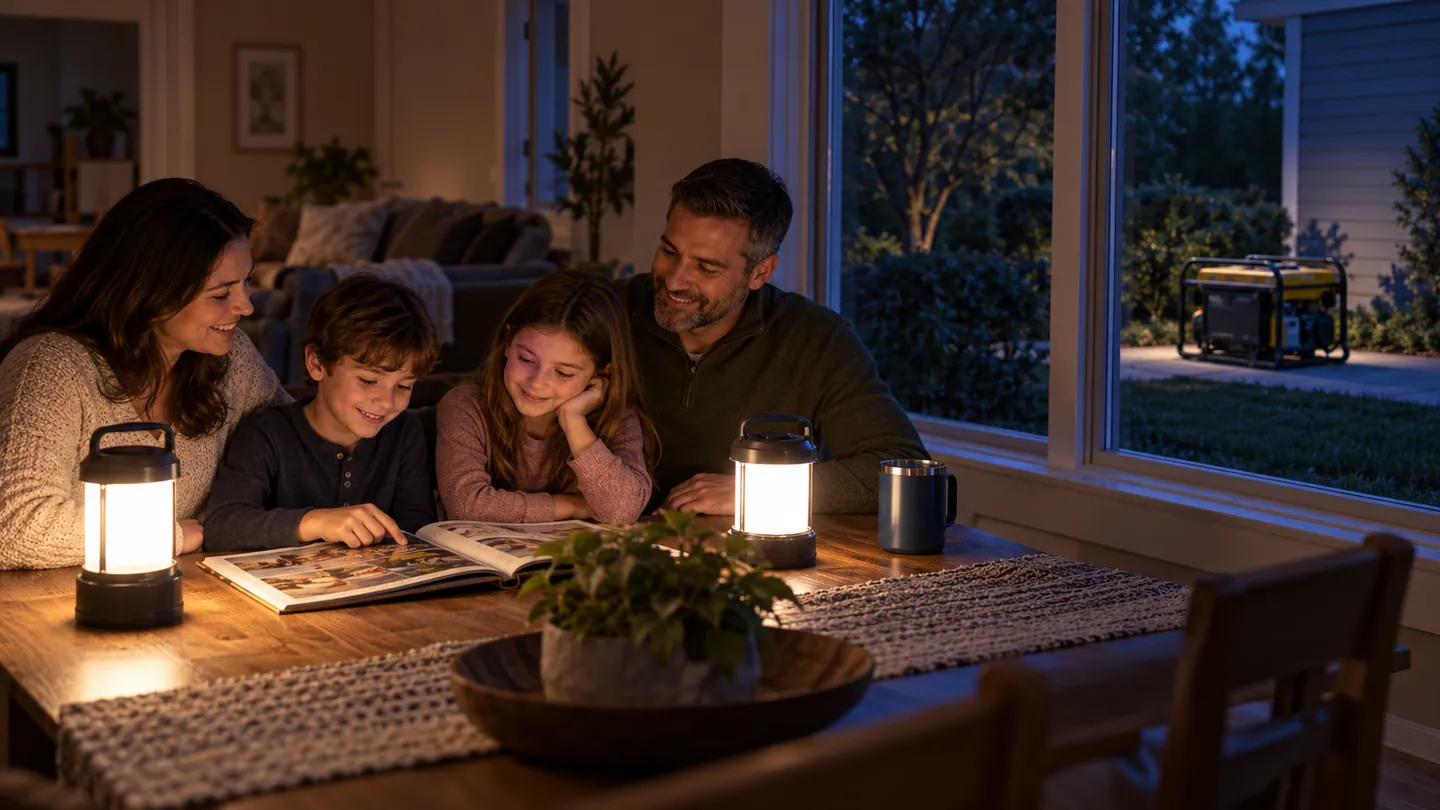
Where to put the generator
- Outside only, at least 20 feet from your home.
- Point the exhaust away from the house and away from doors, windows, and vents.
- Never run it inside a home, garage, basement, crawlspace, shed, or porch, even with doors or windows open.
- Keep it dry, under an open canopy if needed. Do not touch it with wet hands.
Install carbon monoxide alarms
Put battery-powered or battery-backup carbon monoxide alarms outside sleeping areas and on each floor. Test them before the storm season.
Signs of carbon monoxide poisoning
Headache, dizziness, weakness, nausea or vomiting, chest pain, and confusion. Sleeping people and pets can be affected first. If you suspect CO, get everyone into fresh air right away and call 911.
The same danger applies to charcoal grills, camp stoves, and gas ovens used for heat indoors. Do not use them inside.
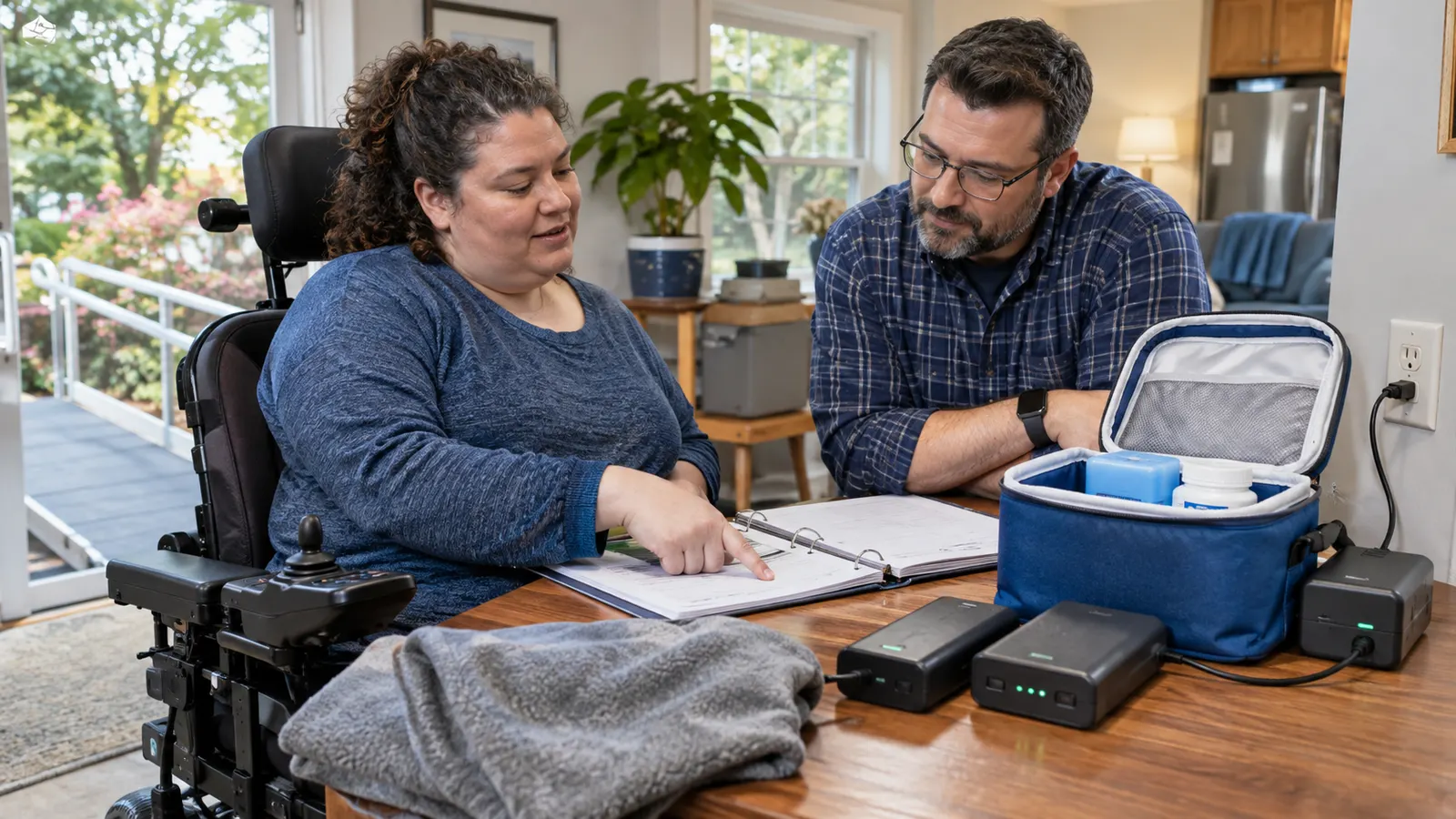
Never plug a generator into a wall outlet
Plugging a generator into a wall outlet or the electrical panel without a proper transfer switch is called "backfeeding." It can send power back into the utility lines and electrocute line workers or neighbors, and it can start a fire in your home. If you want to power house circuits, have a licensed electrician install a transfer switch or interlock.
Use the right cords
- Use heavy-duty extension cords rated for outdoor use and for the load you are running.
- Check cords for cuts and worn insulation, and do not run them under rugs.
- Plug appliances directly into the generator, or into a cord that plugs into the generator.
Don't overload it
Add up the watts of what you plan to run, and remember that refrigerators, well pumps, and air conditioners draw extra power when they start. Run only the essentials: the refrigerator, medical devices, a few lights, and phone charging.
Refueling and storing fuel
- Turn the generator off and let it cool before refueling. Fuel spilled on hot engine parts can catch fire.
- Store gasoline in approved containers, outside the living area and away from fuel-burning appliances.
- Plan for fuel shortages after big storms. See finding gas after a disaster.
Food safety during the outage
Keep the refrigerator and freezer closed. A closed refrigerator keeps food cold for about 4 hours, and a full freezer for about 48 hours. See power outage help for food safety and outage maps.
Frequently asked questions
How far should a generator be from the house?
At least 20 feet, outdoors, with the exhaust pointed away from doors, windows, and vents. Never run a generator in a garage, even with the door open.
Can I plug my generator into a wall outlet?
No. Backfeeding through an outlet can electrocute utility workers and start fires. Use a transfer switch installed by a licensed electrician.
What are the symptoms of carbon monoxide poisoning?
Headache, dizziness, weakness, nausea, vomiting, chest pain, and confusion. Get to fresh air immediately and call 911.
Need help with your claim or paperwork?
NFCcop offers free guidance to storm survivors. Ask for free help or browse all disaster recovery resources.