Electric Vehicle Flood Safety
Last reviewed November 9, 2026. Free public guidance from The New Faith Church and Co-op, Inc. (NFCcop), a 501(c)(3) nonprofit. This is general information, not legal or professional advice. Rules and deadlines can change, so confirm with the official sources below.
Electric vehicles that sit in floodwater, especially saltwater, can catch fire days or even weeks later as salt corrodes the battery. After recent hurricanes, flooded EVs, golf carts, and scooters started fires in garages and homes. Here's how to stay safe.
If your EV was in floodwater
- Don't drive it, start it, or charge it.
- If it's in a garage or carport, have it towed outside and parked at least 50 feet from buildings, other vehicles, and anything that can burn until a qualified technician inspects it. Automakers have given this guidance after saltwater floods.
- Tell the tow company it's an electric vehicle that was flooded.
- Call your insurer and the manufacturer or dealer.
Warning signs of a battery fire
Smoke, popping or hissing sounds, a sweet or chemical smell, or bubbling or swelling near the battery. If you notice any of these, get away and call 911. EV battery fires burn very hot and can reignite; don't try to put one out yourself.
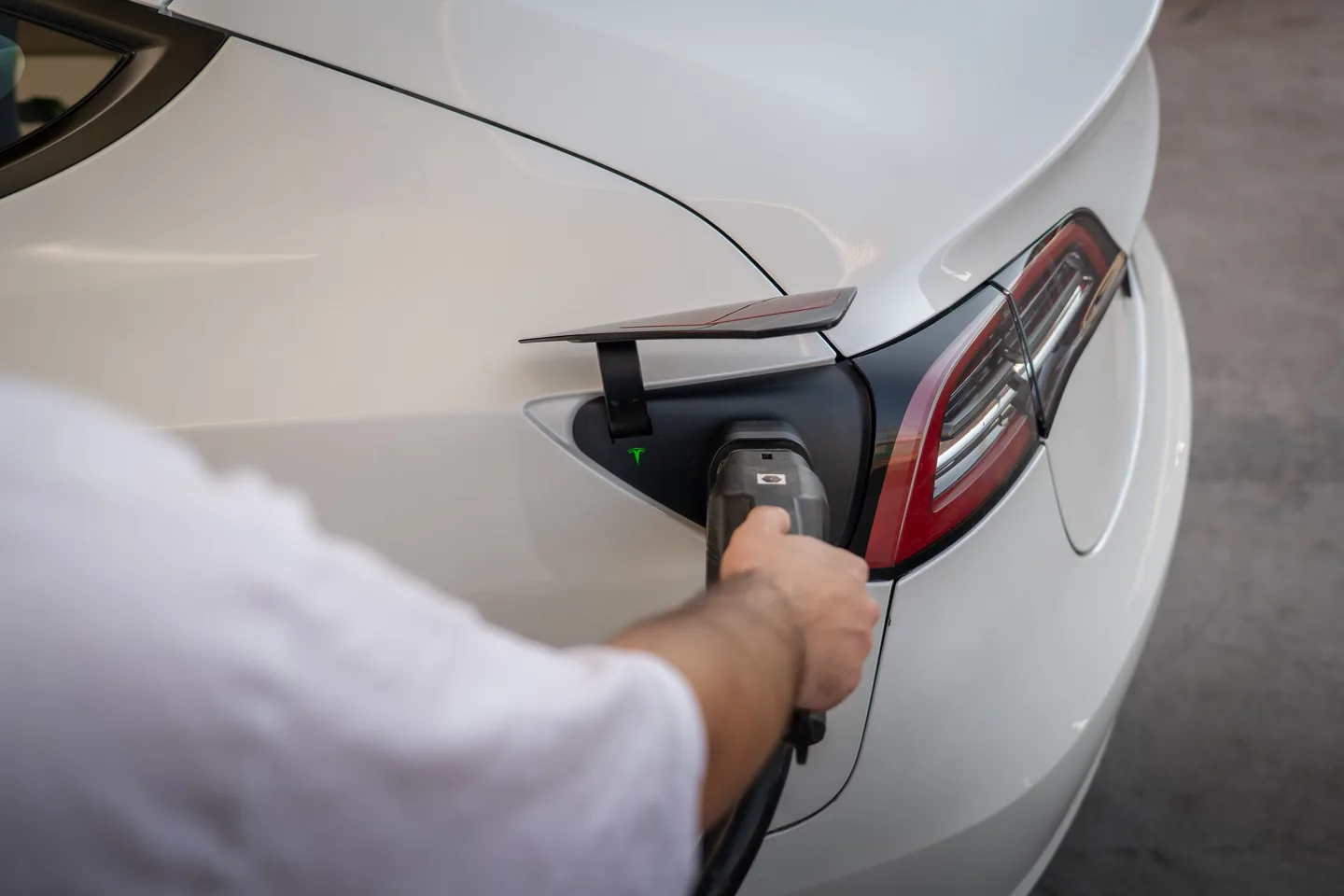
Golf carts, e-bikes, and scooters
Lithium batteries in golf carts, e-bikes, e-scooters, and hoverboards carry the same risk. If they were submerged, don't charge them, and move them outdoors away from buildings. Contact the manufacturer about safe disposal. Never charge a damaged battery indoors.
Hybrids and gas cars
Hybrids also have high-voltage batteries; treat them like EVs if they were submerged. For gas vehicles, see car flood damage.
Insurance
Flood damage to a vehicle is usually covered only under comprehensive coverage on your auto policy, not liability-only. Photograph the water line inside and outside the car, and don't throw away records. Flood-damaged EVs are often declared total losses because of battery risk.
Before the next storm
- If flooding is possible, move EVs, golf carts, and e-bikes to higher ground ahead of time.
- Charge your EV before the storm so you can evacuate.
- Never charge from a generator unless your vehicle and charger are made for it. See generator safety.
See also home battery safety and flash flood safety.
Frequently asked questions
Can a flooded electric car catch fire?
Yes. Saltwater especially can corrode the battery and cause a fire days or weeks later. Don't drive or charge it, and have it moved outdoors away from buildings.
How far should a flooded EV be from my house?
Automakers have advised at least 50 feet from buildings, other vehicles, and anything flammable until a qualified technician inspects it.
Are flooded golf carts and e-bikes dangerous?
Yes. Their lithium batteries carry the same fire risk. Don't charge them, and move them outdoors away from buildings.
Need help with your claim or paperwork?
NFCcop offers free guidance to storm survivors. Ask for free help or browse all disaster recovery resources.