Renters' Rights After a Disaster
Last reviewed November 6, 2026. Free public guidance from The New Faith Church and Co-op, Inc. (NFCcop), a 501(c)(3) nonprofit. This is general information, not legal or professional advice. Rules and deadlines can change, so confirm with the official sources below.
If your rental home is damaged in a storm, fire, or flood, you have questions fast: Do I still owe rent? Who fixes it? Can I move out? The answers depend on your lease and your state's laws, but a few steps protect renters almost everywhere.
First steps
- Make sure everyone is safe. Don't stay in a unit that's structurally unsafe or has gas, electrical, or sewage hazards.
- Photograph everything: the damage to the unit and your belongings. See our documentation guide.
- Tell your landlord in writing right away. Send a dated letter or email describing the damage and asking for repairs, and keep a copy. Certified mail with a return receipt gives you proof.
- Call your renters insurance, if you have it. The landlord's insurance usually does not cover your belongings.
Rent when your home is damaged
- Partly damaged but livable: you generally keep paying rent, but you may be able to ask for a rent reduction until repairs are done. Get any agreement in writing.
- Unlivable: many states let a tenant end the lease or stop paying rent for an unlivable unit, but the rules and notice deadlines vary. Talk to legal aid before you stop paying rent.
- A pending FEMA application does not cancel your rent.
Repairs
Landlords generally must keep rentals safe and livable, but repair timelines can depend on insurance and state law. Keep records of every repair request and response.
Moving out and your deposit
- If you or the landlord end the lease because of damage, put it in writing and keep a copy.
- Give a forwarding address in writing and ask for your security deposit back.
- Landlords generally can't keep your deposit for disaster damage you didn't cause.
For an example of how one state handles these rules, see Texas Law Help: renters' rights and disaster relief. Your state's rules may differ.
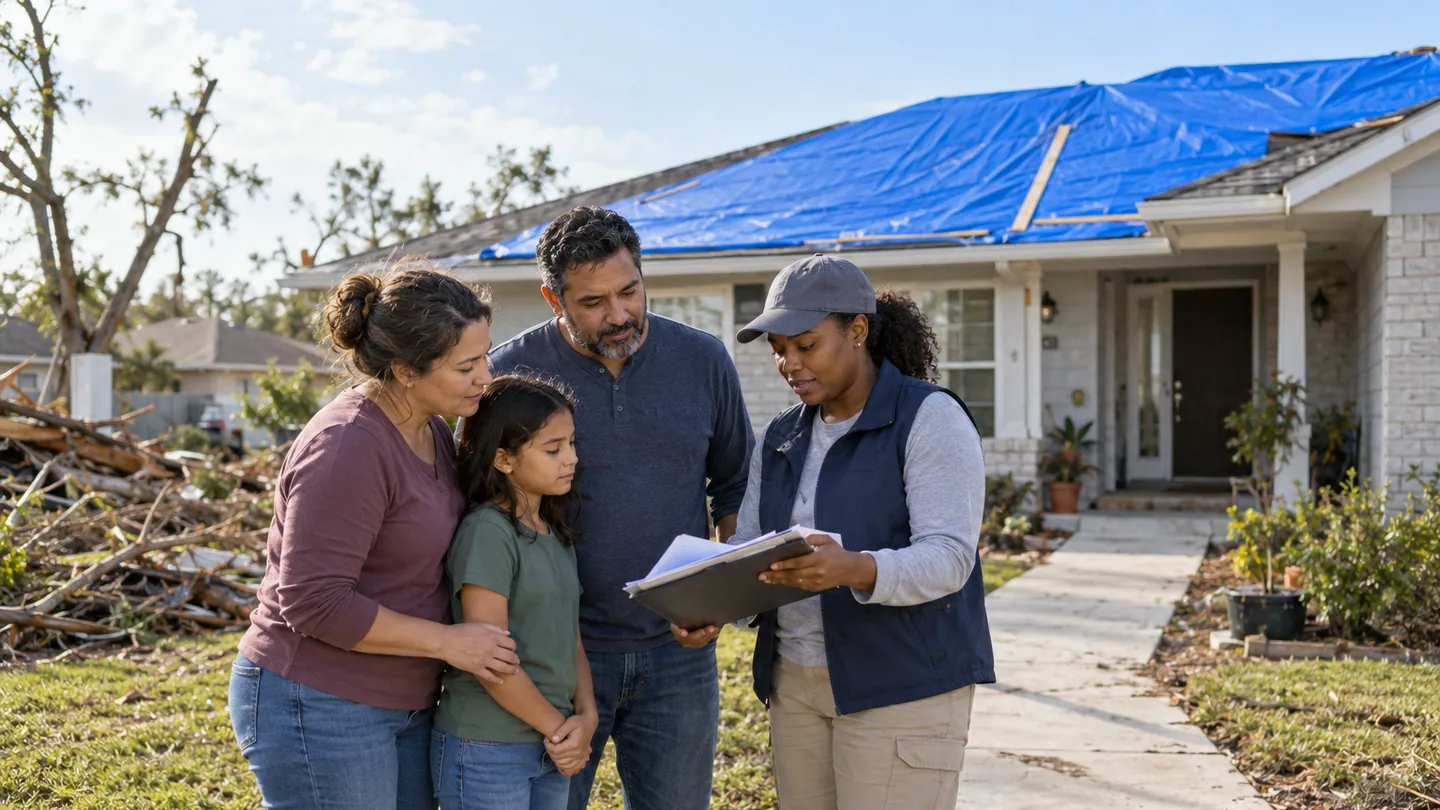
Help for renters
- FEMA rental assistance and help replacing essential belongings after declared disasters
- SBA disaster loans, which renters can use to replace belongings
- Finding replacement housing
- Free legal help through legal aid or Disaster Legal Services, or find legal aid at LawHelp.org
Frequently asked questions
Do I have to pay rent if my apartment is damaged by a storm?
It depends on how damaged it is and your state's law. If it's still livable you generally keep paying, but may ask for a reduction. If it's unlivable, many states have special rules. Talk to legal aid before stopping rent.
Does my landlord's insurance cover my belongings?
Usually not. Renters insurance covers your belongings. FEMA and SBA may help with uninsured losses after declared disasters.
Can I get my security deposit back after a disaster?
Landlords generally can't keep your deposit for disaster damage you didn't cause. Ask in writing and give a forwarding address.
Need help with your claim or paperwork?
NFCcop offers free guidance to storm survivors. Ask for free help or browse all disaster recovery resources.