SBA Disaster Loans for Homeowners and Renters
Last reviewed November 5, 2026. Free public guidance from The New Faith Church and Co-op, Inc. (NFCcop), a 501(c)(3) nonprofit. This is general information, not legal or professional advice. Rules and deadlines can change, so confirm with the official sources below.
The U.S. Small Business Administration makes low-interest disaster loans to homeowners and renters, not just to businesses. For many families, an SBA loan is the largest source of federal disaster money available, because FEMA grants are capped and are meant only for basic repairs.
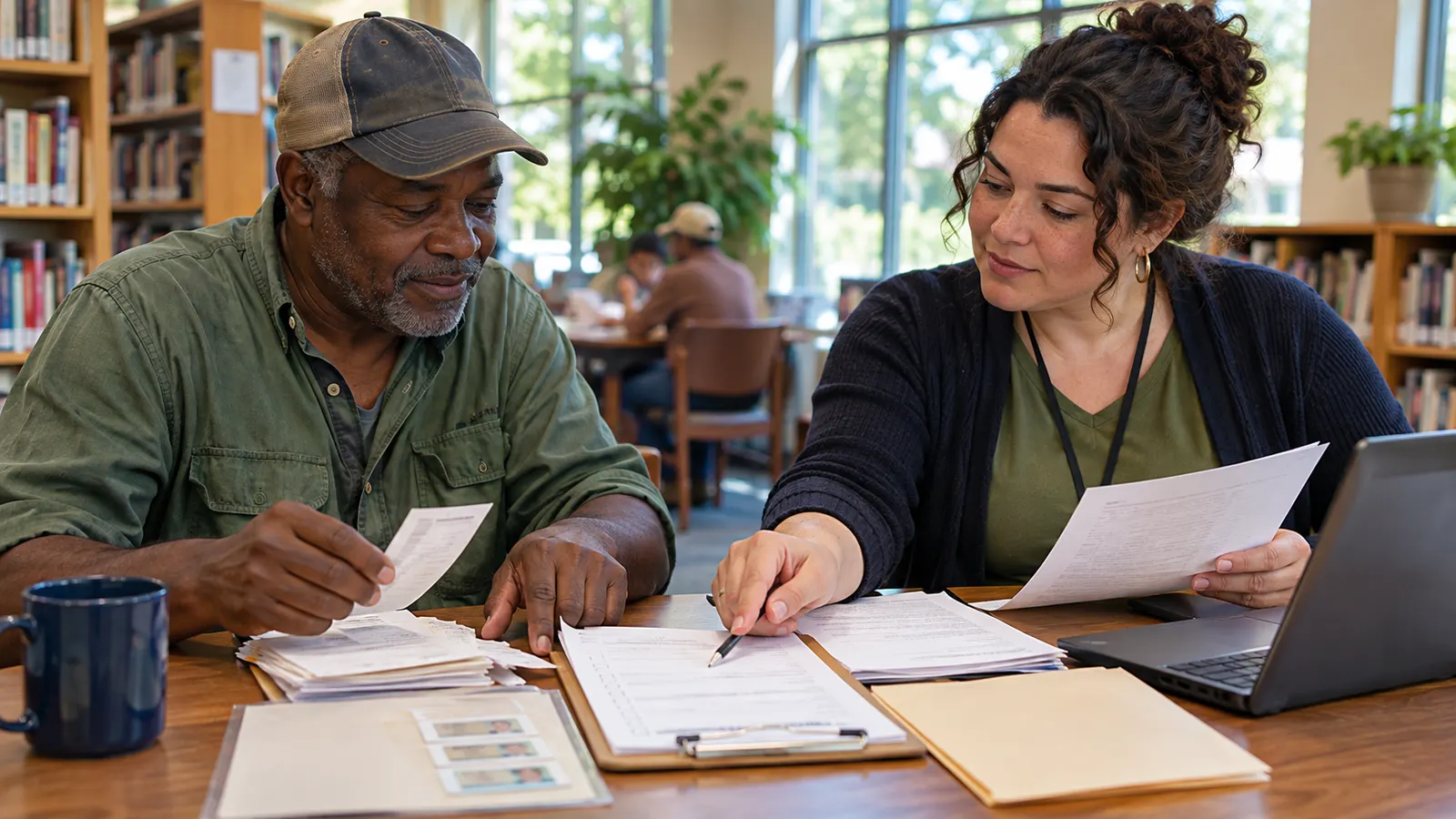
What the loans cover
- Homeowners: up to $500,000 to repair or replace a primary residence.
- Homeowners and renters: up to $100,000 to repair or replace personal property such as furniture, clothing, appliances, and vehicles.
- Businesses and private nonprofits: up to $2 million for physical damage or working capital.
Limits come from SBA's published program terms and can change; confirm them for your disaster on SBA.gov.
Interest rates and terms
Rates are set separately for each disaster and are usually well below market. In a 2025 announcement, SBA listed rates as low as 2.813% for homeowners and renters. Terms can run up to 30 years. SBA has also offered a 12-month period after the first disbursement with no payments and no interest.
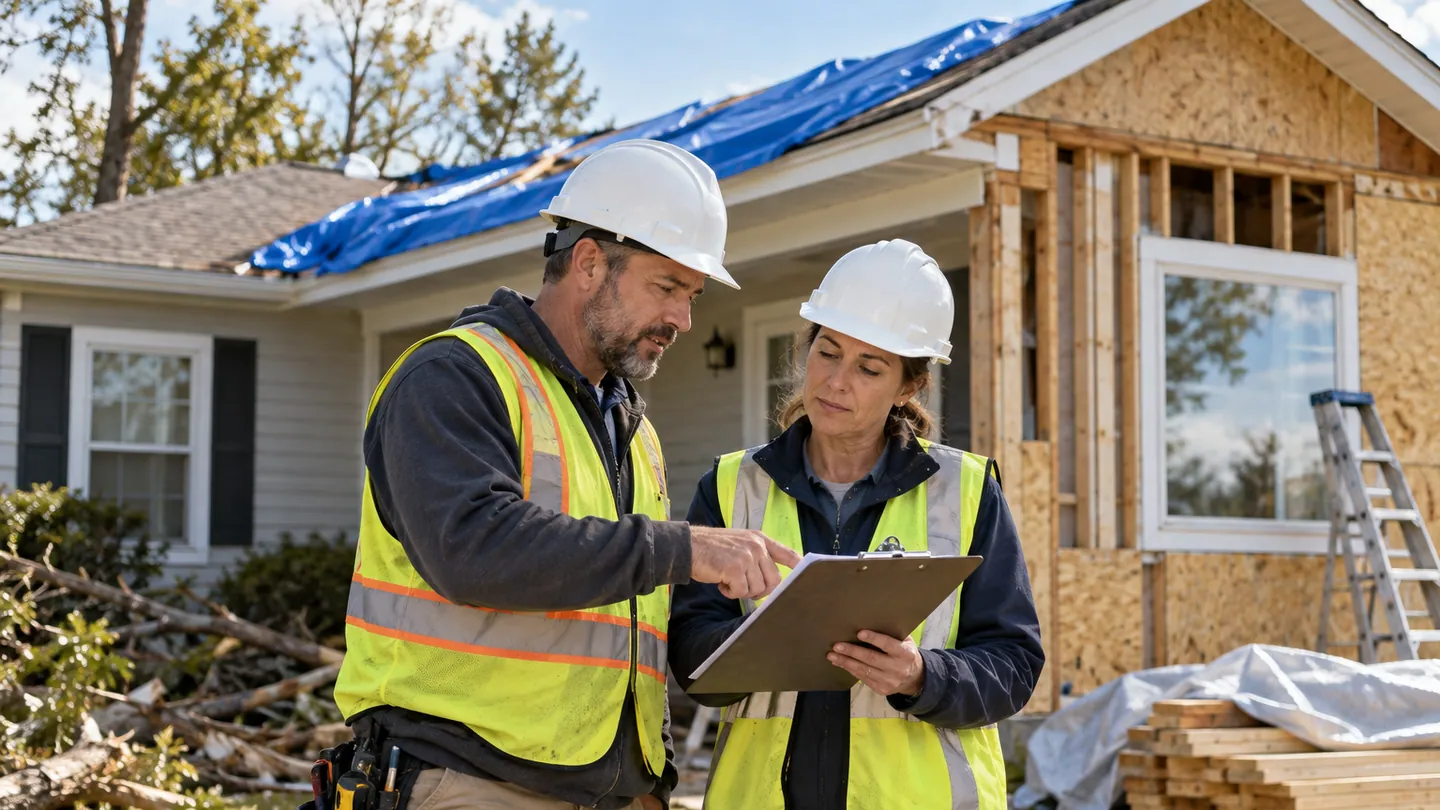
Do not wait for your insurance settlement
You do not have to wait for insurance to finish before applying. If your insurance amount is not known yet, SBA can approve a loan for the full loss, as long as you agree to use any insurance money that comes later to pay down the loan. Waiting can cost you, because SBA's physical damage deadline is usually the same as FEMA's, about 60 days after the declaration.
Applying does not obligate you
You can apply, see the offer, and turn it down. Applying keeps the option open while you learn what insurance and FEMA will pay.
How to apply
- Confirm your county is in a declared disaster area. Search your address on DisasterAssistance.gov.
- Apply online at SBA.gov/disaster, by phone at 1-800-659-2955, or in person at a Disaster Recovery Center or SBA Business Recovery Center.
- Have ready: your FEMA registration number if you have one, your insurance information, recent tax return information, and a list of damage with photos.
- Expect SBA to review your credit and your ability to repay. Larger loans may require collateral, which is often a lien on the home.
What if SBA says no?
Read the reason in the decline letter. You can usually ask SBA to reconsider within the time stated in the letter by sending new information, such as updated income or a co-applicant. Being declined does not stop you from getting FEMA help you already qualify for.
Keep good records
SBA, FEMA, and your insurer all ask for the same proof: photos, estimates, and receipts. Our damage documentation guide shows how to organize it once and reuse it everywhere.
Frequently asked questions
Can renters get an SBA disaster loan?
Yes. Renters can borrow to repair or replace personal property such as furniture, clothing, appliances, and vehicles damaged in a declared disaster.
Do I have to accept the SBA loan if I apply?
No. You can apply, review the offer, and decline it.
Should I wait for my insurance settlement before applying to SBA?
No. SBA can approve a loan before your insurance is settled, as long as you agree to apply later insurance payments to the loan. Waiting risks missing the deadline.
Need help with your claim or paperwork?
NFCcop offers free guidance to storm survivors. Ask for free help or browse all disaster recovery resources.