Heavy Snow on the Roof: Warning Signs and Safe Removal
Last reviewed November 6, 2026. Free public guidance from The New Faith Church and Co-op, Inc. (NFCcop), a 501(c)(3) nonprofit. This is general information, not legal or professional advice. Rules and deadlines can change, so confirm with the official sources below.
Wet, heavy snow and ice can overload roofs, especially flat roofs, carports, porches, sheds, and older buildings. Knowing the warning signs gives you time to get people out and get help before something gives way.
Warning signs your roof is overloaded
- Sagging ceilings or roof lines
- New cracks in drywall or plaster, especially near the ceiling
- Creaking, cracking, or popping sounds from the roof or attic
- Interior doors that suddenly stick or won't close, especially upstairs
- New leaks or water stains
If you see these signs, get everyone out of that part of the building and call a structural engineer, licensed contractor, or your local building department. If you think a collapse is happening, leave and call 911.
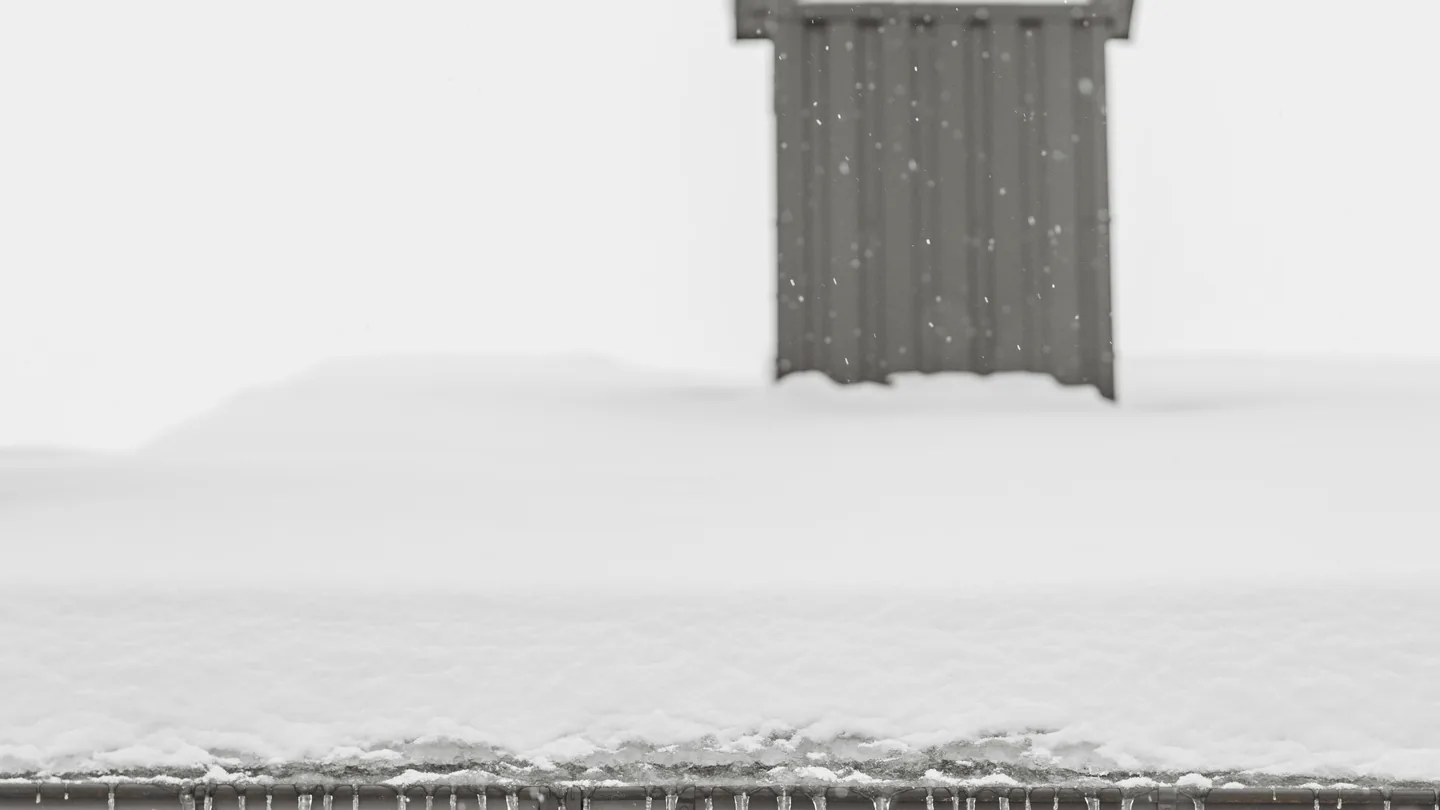
Wet snow weighs much more than dry snow
A light, fluffy snowfall is far lighter than the same depth of wet, packed snow or ice. Snow that has been rained on, or a layer of ice under the snow, adds a lot of weight. Drifts against walls and higher roofs can pile load in one spot.
Removing snow safely
- Stay on the ground. Use a long-handled roof rake to pull snow off the lower few feet of the roof.
- Don't climb onto a snowy or icy roof. Falls from roofs and ladders are a common winter injury.
- Watch for falling snow and ice, and keep people and pets clear of the drop zone.
- Stay well away from power lines with metal rakes and ladders.
- Don't scrape down to the shingles; leave a thin layer so you don't damage the roof.
- For large or flat roofs, hire an insured snow removal or roofing company. See hiring a contractor.
If a roof, carport, or porch collapses
- Get everyone out and away from the structure. Call 911 if anyone is hurt or trapped.
- Shut off gas and electricity to the damaged area only if it's safe to do so.
- Photograph everything from a safe distance. See our documentation guide.
- Call your insurer. Collapse from the weight of snow or ice is often a covered peril in homeowners policies; check yours.
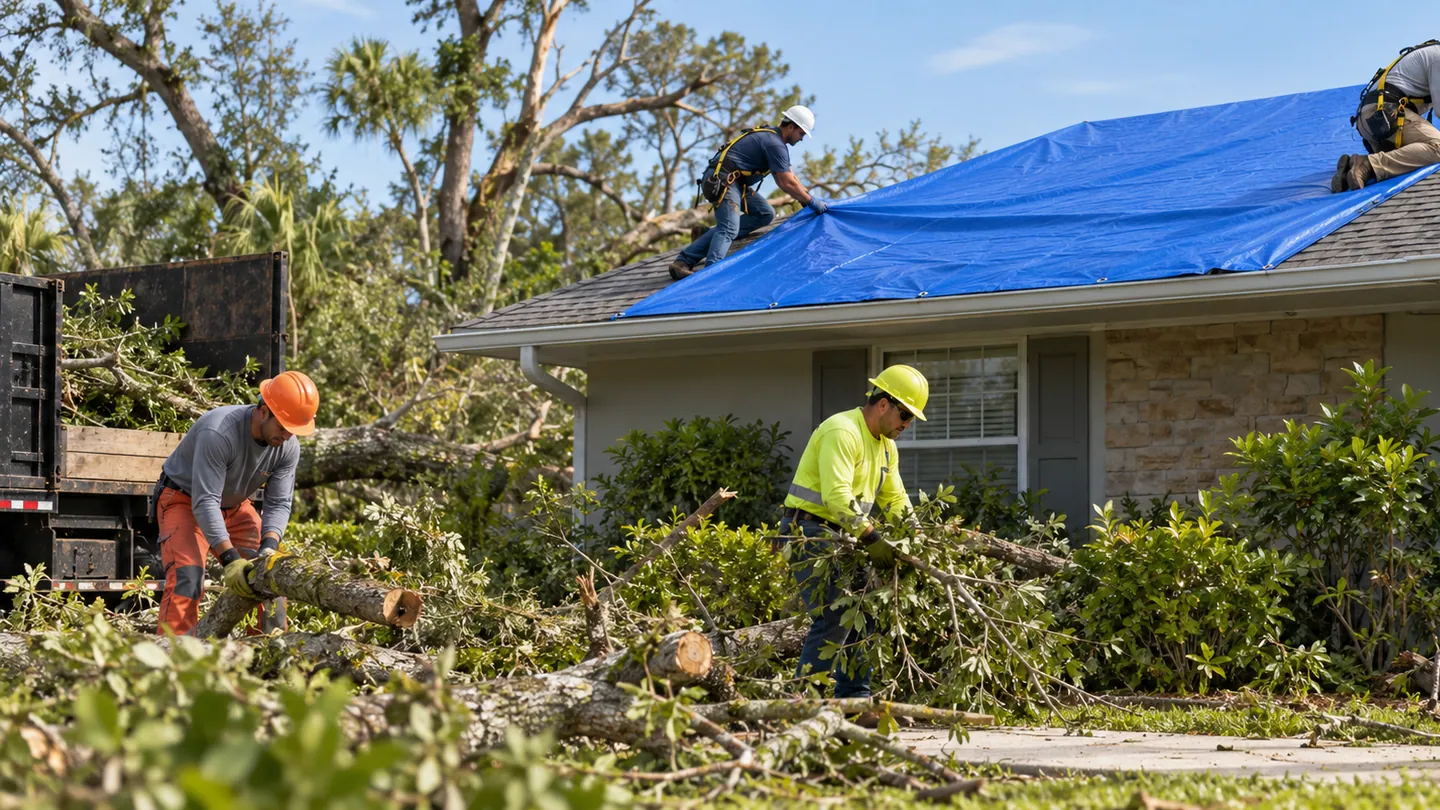
- Protect what's left from more weather with tarps; see temporary repairs.
Melting snow and leaks
As snow melts, ice dams can form along the roof edge and push water inside. Read ice dams and roof leak first steps.
Frequently asked questions
What are the signs a roof might collapse from snow?
Sagging ceilings or roof lines, new cracks in drywall, creaking or popping sounds, doors that suddenly stick, and new leaks. Get people out of that area and call a professional.
Should I shovel snow off my roof?
Don't climb on a snowy roof. Use a long-handled roof rake from the ground, or hire an insured professional for large or flat roofs.
Does insurance cover a roof collapse from snow?
Collapse from the weight of snow or ice is often covered under homeowners policies, but check your policy and report it quickly.
Need help with your claim or paperwork?
NFCcop offers free guidance to storm survivors. Ask for free help or browse all disaster recovery resources.