Earthquake Safety: What to Do When the Shaking Starts
Last reviewed November 7, 2026. Free public guidance from The New Faith Church and Co-op, Inc. (NFCcop), a 501(c)(3) nonprofit. This is general information, not legal or professional advice. Rules and deadlines can change, so confirm with the official sources below.
Earthquakes strike without warning. Most injuries come from falling objects and people trying to move during the shaking, not from buildings collapsing. The best protection in most places is simple: Drop, Cover, and Hold On.
During the shaking: Drop, Cover, and Hold On
- Drop to your hands and knees so you won't be knocked down.
- Cover your head and neck with one arm. Crawl under a sturdy table or desk if one is nearby. If not, get next to an interior wall, away from windows.
- Hold On to your shelter, or keep covering your head and neck, until the shaking stops.
- In bed: stay there, lie face down, and cover your head and neck with a pillow.
- Using a wheelchair or walker: lock your wheels, bend over, and cover your head and neck.
- Outside: move away from buildings, trees, streetlights, and power lines, then drop and cover.
- Driving: pull over away from bridges, overpasses, and power lines. Stay in the car with your seat belt on.
Don't run outside during shaking, and don't stand in a doorway. In modern homes, doorways aren't stronger than other parts of the house and don't protect you from falling objects.
After the shaking stops
- Expect aftershocks. Drop, Cover, and Hold On each time.
- Check yourself and others for injuries.
- If you smell gas or hear hissing, get out and call the gas company from outside. See what to do if you smell gas.
- If you live on the coast and the shaking was strong or long, move to high ground right away in case of a tsunami.
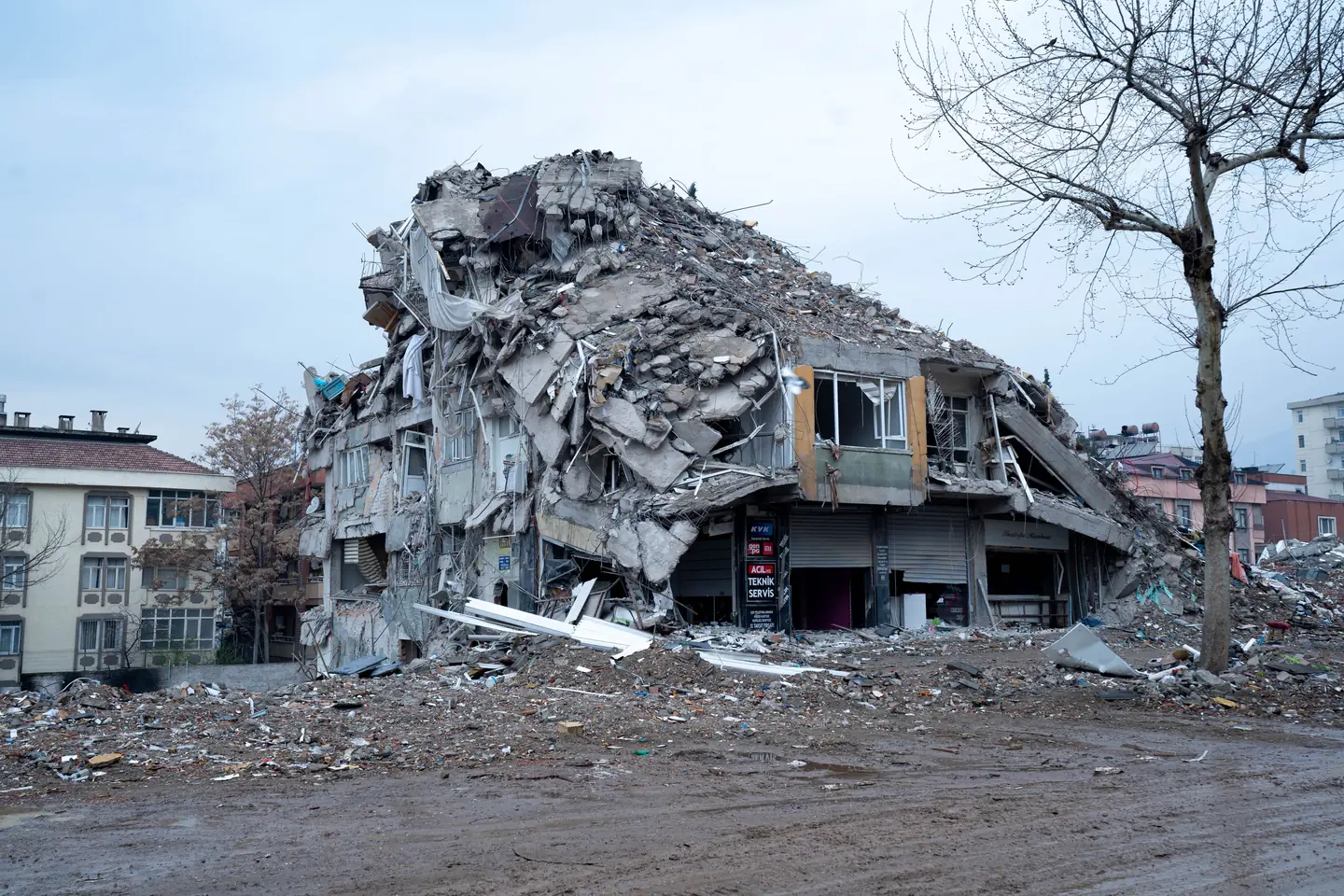
- Stay out of damaged buildings. Wear sturdy shoes because of broken glass.
- Text instead of calling to keep phone lines open for emergencies.
Get ready before an earthquake
- Secure bookcases, TVs, and water heaters to the wall.
- Keep heavy items on low shelves.
- Know how to shut off your gas, water, and power.
- Keep a go bag and supplies ready. See our emergency go bag checklist.
Insurance and help
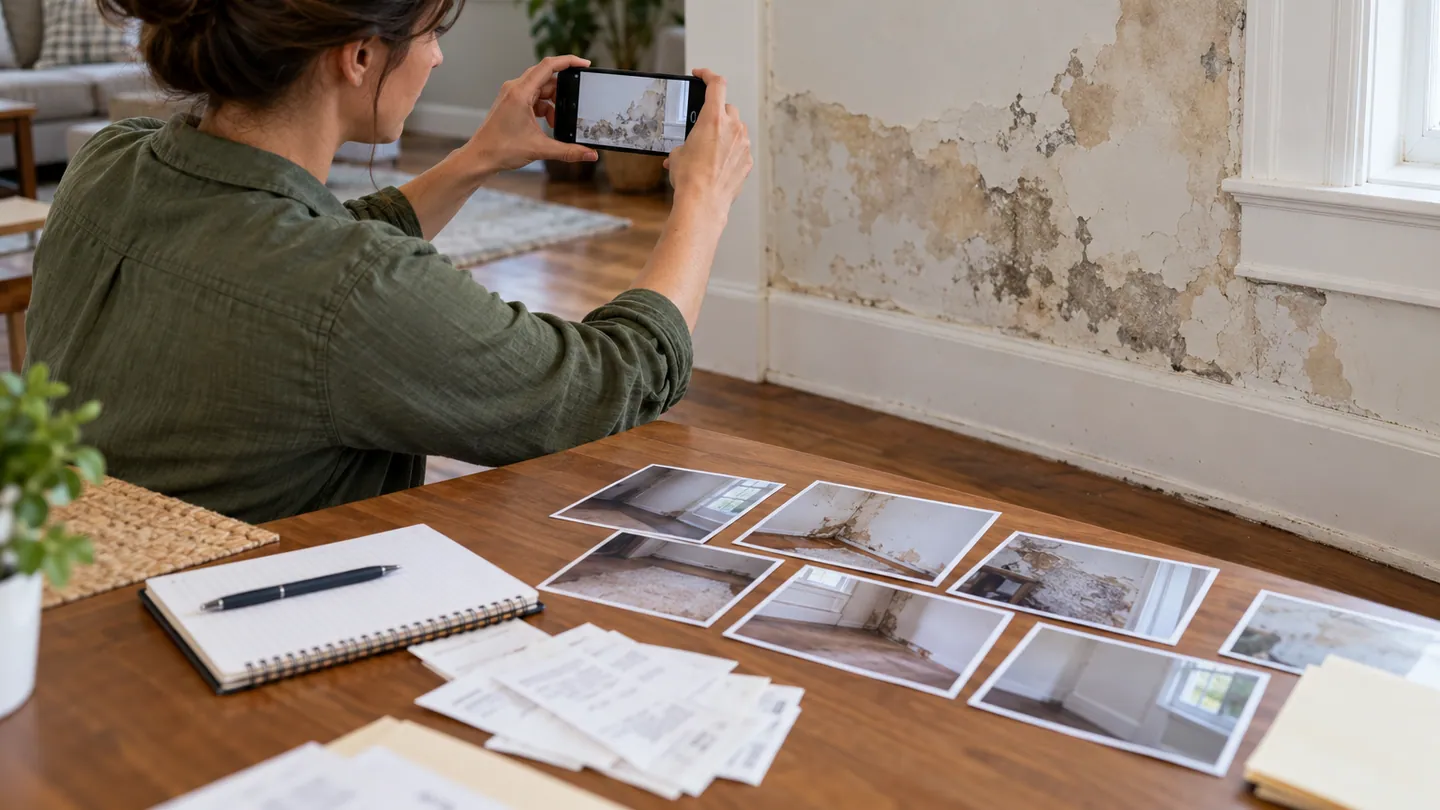
Standard homeowners policies usually don't cover earthquake damage; it takes a separate earthquake policy or endorsement. Document everything with photos before cleanup. See how to document damage. After a declared disaster, FEMA and SBA disaster loans may help.
Frequently asked questions
Is a doorway the safest place in an earthquake?
No. In modern homes doorways aren't stronger than other parts of the house. Drop, cover your head and neck, and hold on under a sturdy table if you can.
Should I run outside during an earthquake?
No. Many injuries happen when people try to move during shaking. Stay where you are and Drop, Cover, and Hold On.
Does homeowners insurance cover earthquakes?
Usually not. Earthquake damage typically requires a separate earthquake policy or endorsement.
Need help with your claim or paperwork?
NFCcop offers free guidance to storm survivors. Ask for free help or browse all disaster recovery resources.