Asbestos and Lead Hazards During Storm Repairs
Last reviewed November 9, 2026. Free public guidance from The New Faith Church and Co-op, Inc. (NFCcop), a 501(c)(3) nonprofit. This is general information, not legal or professional advice. Rules and deadlines can change, so confirm with the official sources below.
Tearing out wet drywall, flooring, siding, or roofing in an older home can release asbestos fibers or lead dust. Both can cause serious long-term illness, and both are easy to disturb during cleanup. If your home was built before about 1980, test before you tear out.
Where asbestos may be
Asbestos was common in building materials until about 1980, and some products contained it later. It may be in:
- Drywall joint compound and textured "popcorn" ceilings
- Vinyl floor tiles (especially 9-inch squares) and the glue under them
- Pipe and duct insulation, and boiler wrap
- Cement siding, roofing shingles, and some window putty
You can't tell by looking. Only a lab test can confirm it.
Where lead may be
Homes built before 1978 may have lead-based paint. Sanding, scraping, or demolishing painted surfaces creates lead dust that is especially harmful to children and pregnant people.
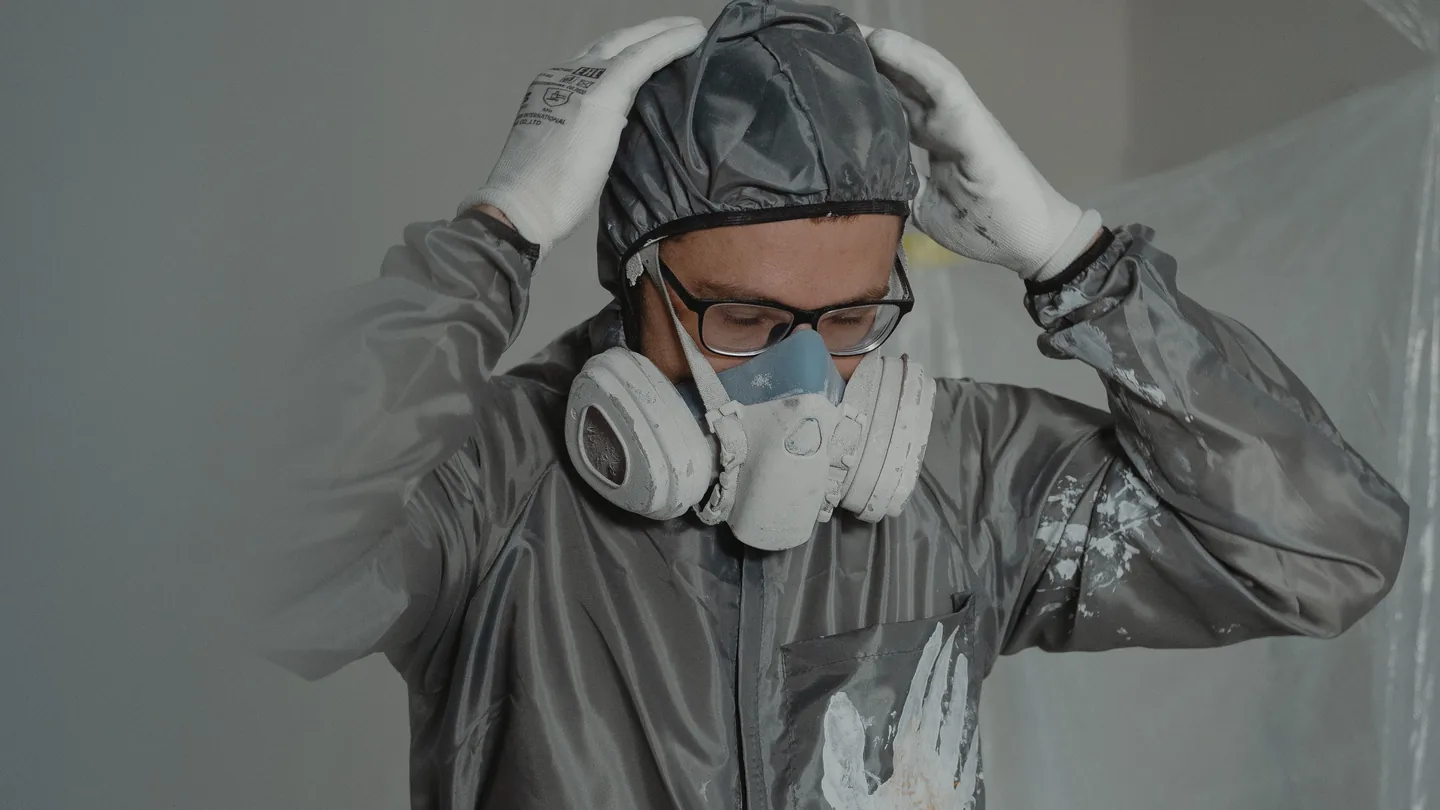
What to do
- Test first. Hire a certified asbestos inspector to sample suspect materials before demolition. Lead test kits and certified inspectors are available for paint.
- Hire certified contractors. For pre-1978 homes, federal rules require contractors doing paid renovation work that disturbs paint to be EPA Lead-Safe Certified. Asbestos removal should be done by a licensed abatement contractor.
- Keep materials wet and don't sand, scrape, power-saw, or sweep suspect materials. Dry dust is the danger.
- Keep children and pregnant people out of work areas.
- Bag debris separately and follow local rules for disposal. Many states require notice before demolishing a building.
If you already disturbed it
Stop work, leave the area, and keep others out. Don't vacuum with a regular vacuum or sweep. Wet-wipe surfaces, or call a professional. Talk to a doctor if you're worried about exposure, especially for children.
Planning flood repairs
If you need a flood cut, check materials before you start. See how to do a flood cut, hiring a contractor after a storm, and smoke damage cleanup. Testing and abatement costs may be part of an insurance claim or FEMA repair assistance; keep receipts.
Frequently asked questions
How do I know if my home has asbestos?
Only a lab test can tell. Materials in homes built before about 1980, like joint compound, popcorn ceilings, floor tiles, and insulation, should be tested before removal.
Do contractors need to be certified to work on older homes?
For pre-1978 homes, contractors paid to do work that disturbs paint must be EPA Lead-Safe Certified. Asbestos removal should be done by licensed abatement contractors.
What if I already tore out material that might contain asbestos?
Stop, leave, and keep others out. Don't sweep or use a regular vacuum. Wet-wipe surfaces or call a professional.
Need help with your claim or paperwork?
NFCcop offers free guidance to storm survivors. Ask for free help or browse all disaster recovery resources.