Cuts and Wounds After a Disaster: What to Do
Last reviewed November 10, 2026. Free public guidance from The New Faith Church and Co-op, Inc. (NFCcop), a 501(c)(3) nonprofit. This is general information, not legal or professional advice. Rules and deadlines can change, so confirm with the official sources below.
Storm and flood cleanup means nails, broken glass, sharp debris, and dirty water. Even a small cut can get infected. Clean wounds right away, keep them covered, and make sure your tetanus shot is up to date.
Caring for a cut
- Wash your hands with soap and clean water if you can.
- Stop bleeding with firm pressure using a clean cloth.
- Clean the wound with soap and clean water (bottled, boiled, or safe tap water). Don't use floodwater.
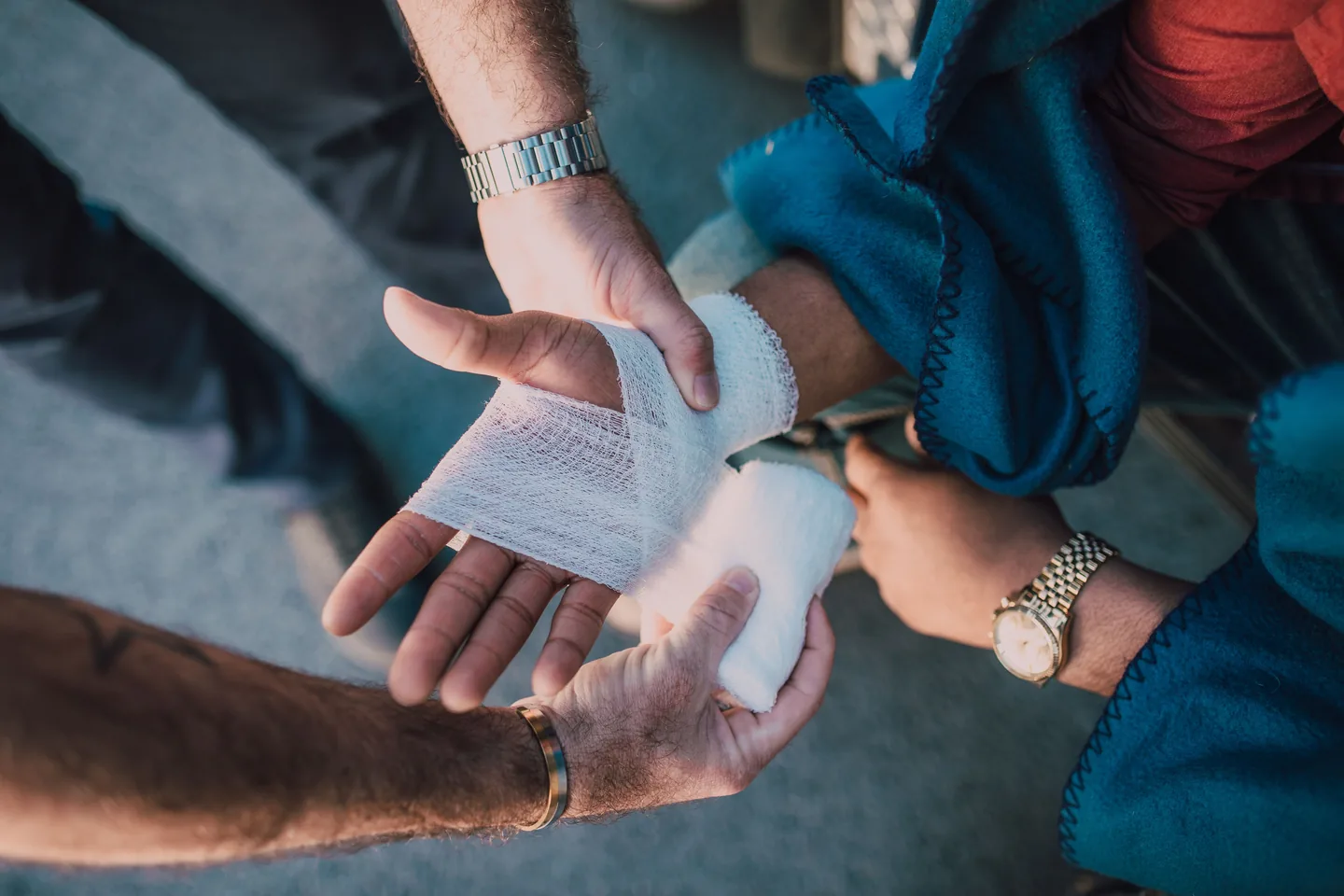
- Cover it with a clean, dry bandage. Change the bandage daily or when it gets wet or dirty.
- Keep wounds away from floodwater. Wear waterproof boots and gloves during cleanup.
Do I need a tetanus shot?
| Kind of wound | Get a tetanus booster if your last dose was |
|---|---|
| Clean, minor cut | More than 10 years ago |
| Dirty wound or puncture (nail, debris, soil, floodwater) | More than 5 years ago |
| You've never had the tetanus series or don't know | Get care. You may need more than one dose |
Disaster health clinics and pharmacies often give tetanus shots after storms. Call 211 or your health department.
Floodwater and infections
Floodwater can carry sewage and bacteria. In coastal areas, saltwater and brackish floodwater can carry Vibrio bacteria that cause serious wound infections, especially for people with liver disease, diabetes, or weak immune systems. If you have an open wound, stay out of floodwater, or cover the wound with a waterproof bandage.
Get medical care if
- The wound is deep, gaping, won't stop bleeding, or has debris you can't remove
- It's a puncture from a nail or other dirty object
- It's an animal bite
- You see signs of infection: spreading redness, swelling, warmth, pus, red streaks, or fever
Call 911 for heavy bleeding that won't stop or signs of a severe infection like fever with rapidly spreading redness.
See also chainsaw safety and mold after a flood.
Frequently asked questions
Do I need a tetanus shot after stepping on a nail during cleanup?
If your last tetanus shot was more than 5 years ago, CDC guidance generally recommends a booster for dirty or puncture wounds. Ask a clinic or pharmacy.
Is it safe to get a cut wet in floodwater?
No. Floodwater can carry sewage and bacteria. Keep wounds covered with a waterproof bandage and stay out of floodwater if you can.
What are signs a cut is infected?
Spreading redness, swelling, warmth, pus, red streaks, or fever. Get medical care right away.
Need help with your claim or paperwork?
NFCcop offers free guidance to storm survivors. Ask for free help or browse all disaster recovery resources.