Sewage Backup in Your Home: What to Do
Last reviewed November 7, 2026. Free public guidance from The New Faith Church and Co-op, Inc. (NFCcop), a 501(c)(3) nonprofit. This is general information, not legal or professional advice. Rules and deadlines can change, so confirm with the official sources below.
Sewage backups are a health hazard. The water can carry bacteria, viruses, and parasites that make people sick. Storms and floods often overload sewer lines and septic systems, pushing wastewater up through floor drains, toilets, and tubs.
First steps
- Keep children, pets, and anyone with a weak immune system out of the area.
- Turn off power to the affected area at the breaker, but only if you can reach it without standing in water. If you can't, call an electrician. See electrical safety after a flood.
- Stop using water: no flushing, showers, or laundry until the line is cleared.
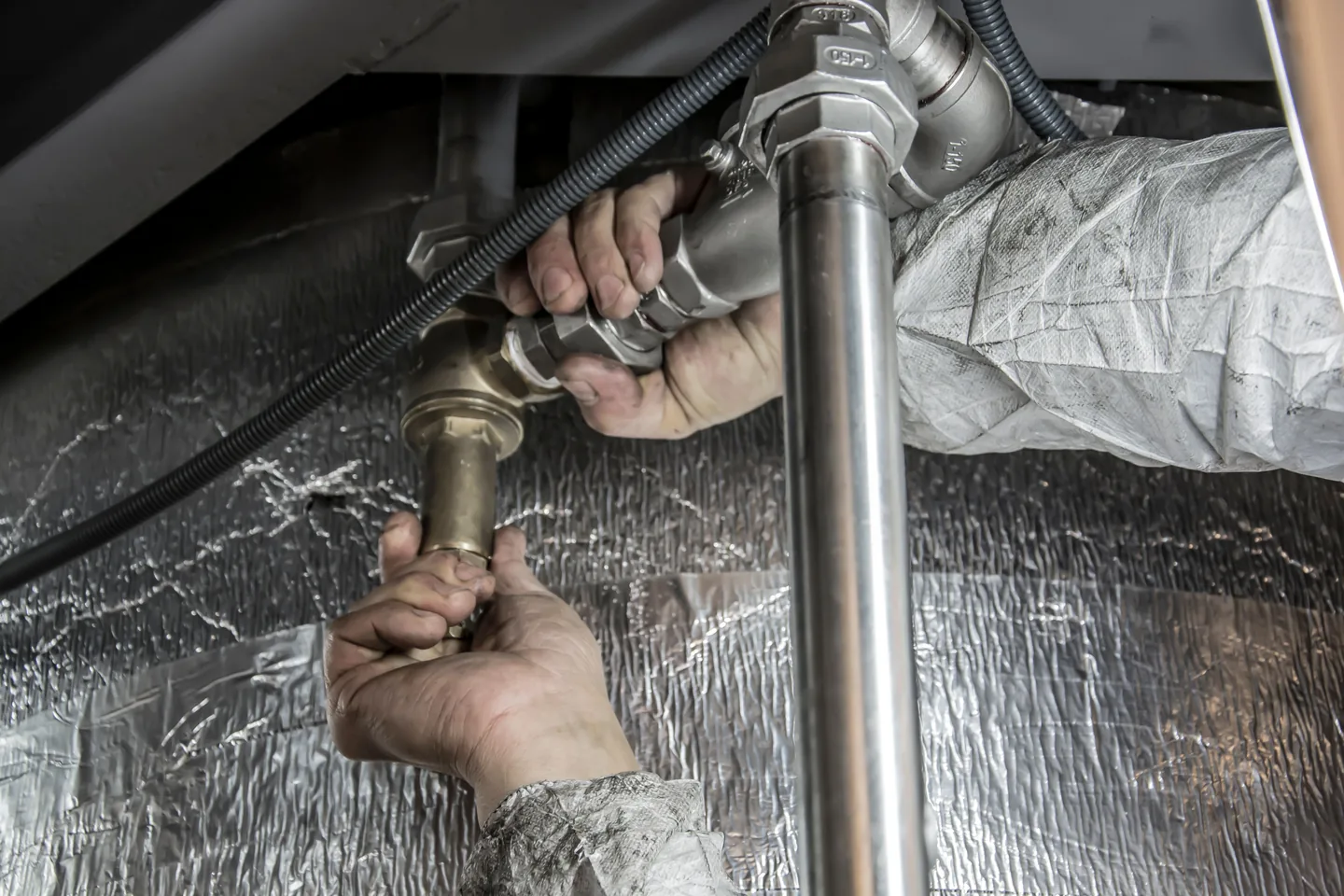
- Call your city sewer department, or a plumber or septic company if the problem is on your property.
- Take photos and video before you clean anything.
Protect yourself
Wear rubber boots, waterproof gloves, eye protection, and an N95 mask. Cover any cuts. Wash your hands with soap and clean water often, and don't eat or drink in the cleanup area. If a cut gets red, swollen, or painful, see a doctor.
What to throw out
Items that soaked up sewage usually can't be made safe:
- Carpet, padding, rugs, and upholstered furniture
- Mattresses, pillows, and stuffed toys
- Drywall and insulation that got wet (cut at least 12 inches above the water line)
- Food, medicine, and cosmetics that touched the water
Hard, non-porous items like metal, glass, and solid plastic can usually be cleaned and disinfected.
Clean and disinfect
- Remove standing water with a pump or wet vacuum.
- Scrub hard surfaces with hot water and detergent.
- Disinfect with a bleach solution as directed on the label. Never mix bleach with ammonia or other cleaners.
- Dry everything fast with fans and dehumidifiers to prevent mold. See mold after a flood.
For large backups, a professional water damage restoration company may be safer.

Does insurance cover sewage backup?
- Homeowners insurance usually excludes sewer or drain backup unless you added a water backup endorsement. Check your declarations page.
- Flood insurance may cover sewage backup when it's directly caused by a flood.
Report the claim quickly and keep damaged items or samples until the adjuster sees them. See flood insurance basics.
Frequently asked questions
Is sewage backup dangerous?
Yes. It can carry bacteria, viruses, and parasites. Wear protective gear, keep kids and pets away, and throw out porous items that soaked it up.
Does homeowners insurance cover sewer backup?
Usually only if you have a water or sewer backup endorsement. Flood insurance may cover backup caused directly by a flood.
Can I clean up sewage myself?
Small backups can be cleaned with protective gear and bleach disinfection. Large backups or anyone with health risks may need a professional restoration company.
Need help with your claim or paperwork?
NFCcop offers free guidance to storm survivors. Ask for free help or browse all disaster recovery resources.