Flooded Water Heater, Furnace, or AC Unit
Last reviewed November 7, 2026. Free public guidance from The New Faith Church and Co-op, Inc. (NFCcop), a 501(c)(3) nonprofit. This is general information, not legal or professional advice. Rules and deadlines can change, so confirm with the official sources below.
Water heaters, furnaces, boilers, and air conditioners often sit in basements, garages, and utility closets, right where floodwater collects. Turning on an appliance that was underwater can cause a fire, an explosion, carbon monoxide leaks, or electric shock.
Don't turn it on
If floodwater reached the controls, burner, wiring, or motor of a gas or electric appliance, don't turn it on or relight the pilot. Have it checked by a qualified technician first.
- Gas appliances: gas control valves and burners that were underwater are generally replaced, not cleaned. Silt and corrosion inside can make them fail dangerously.
- Electric appliances: wet wiring, heating elements, and controls can short out or shock you.
- Outdoor AC units and heat pumps: a unit that sat in floodwater may have damaged electrical parts and coils. Have it inspected before restarting.
If you smell gas, leave and call from outside. See what to do if you smell gas.
Repair or replace?
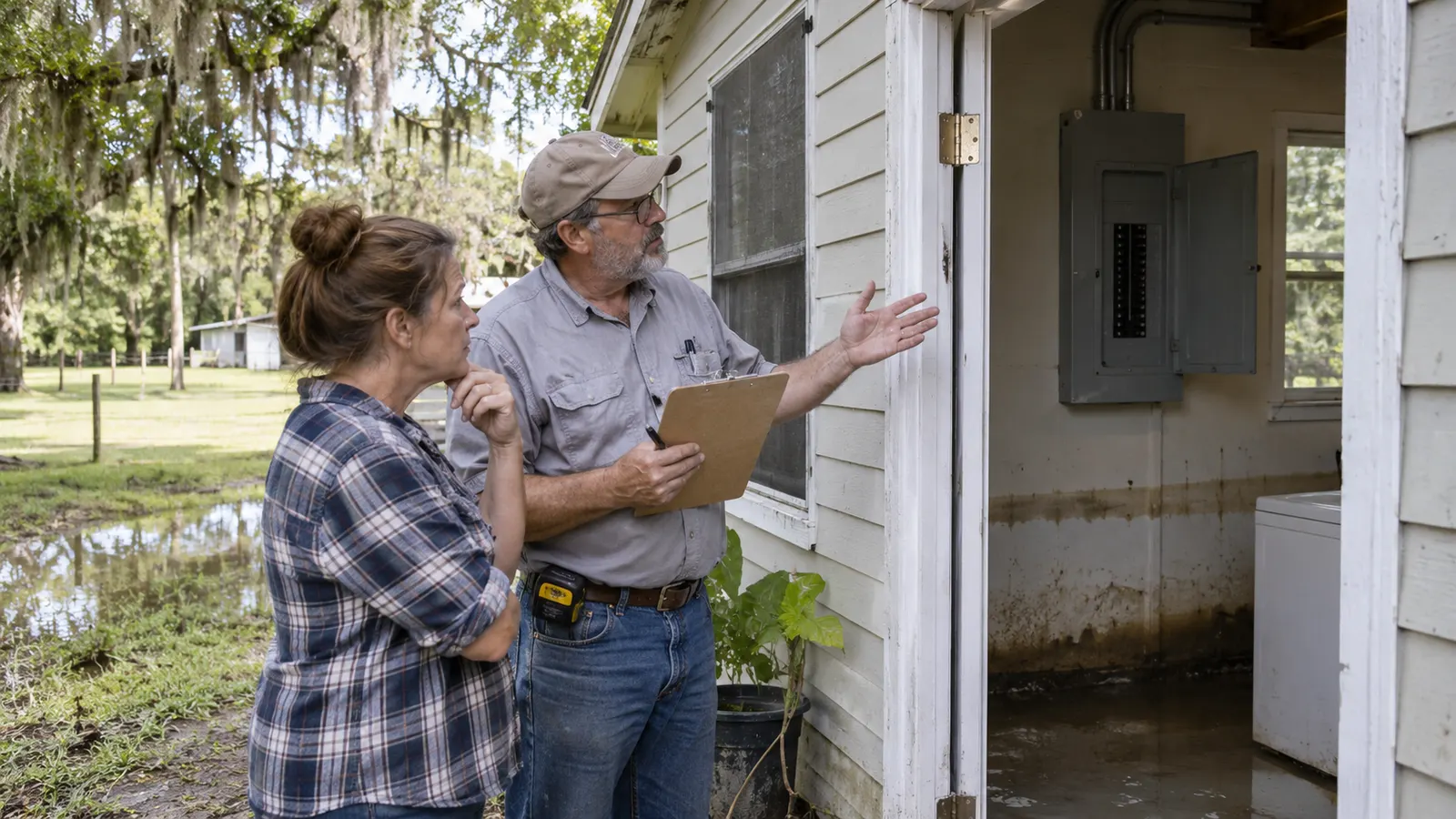
Many technicians and manufacturers recommend replacing water heaters and furnaces that were submerged, because insulation, controls, and burners are hard to clean and dry fully. Ductwork that held floodwater usually needs to be cleaned or replaced too, since it can spread mold and contamination.
While you wait
- Never heat your home with an oven, grill, or generator indoors. See staying warm without power and carbon monoxide safety.
- In hot weather, see heat illness signs.
- Have the electrical system checked too. See electrical safety after a flood.
Paying for replacement
- Flood insurance can cover furnaces, water heaters, and AC units damaged by flooding, including equipment in basements.
- After a declared disaster, FEMA may help repair or replace a furnace or water heater needed to make your home livable. See the FEMA application guide.
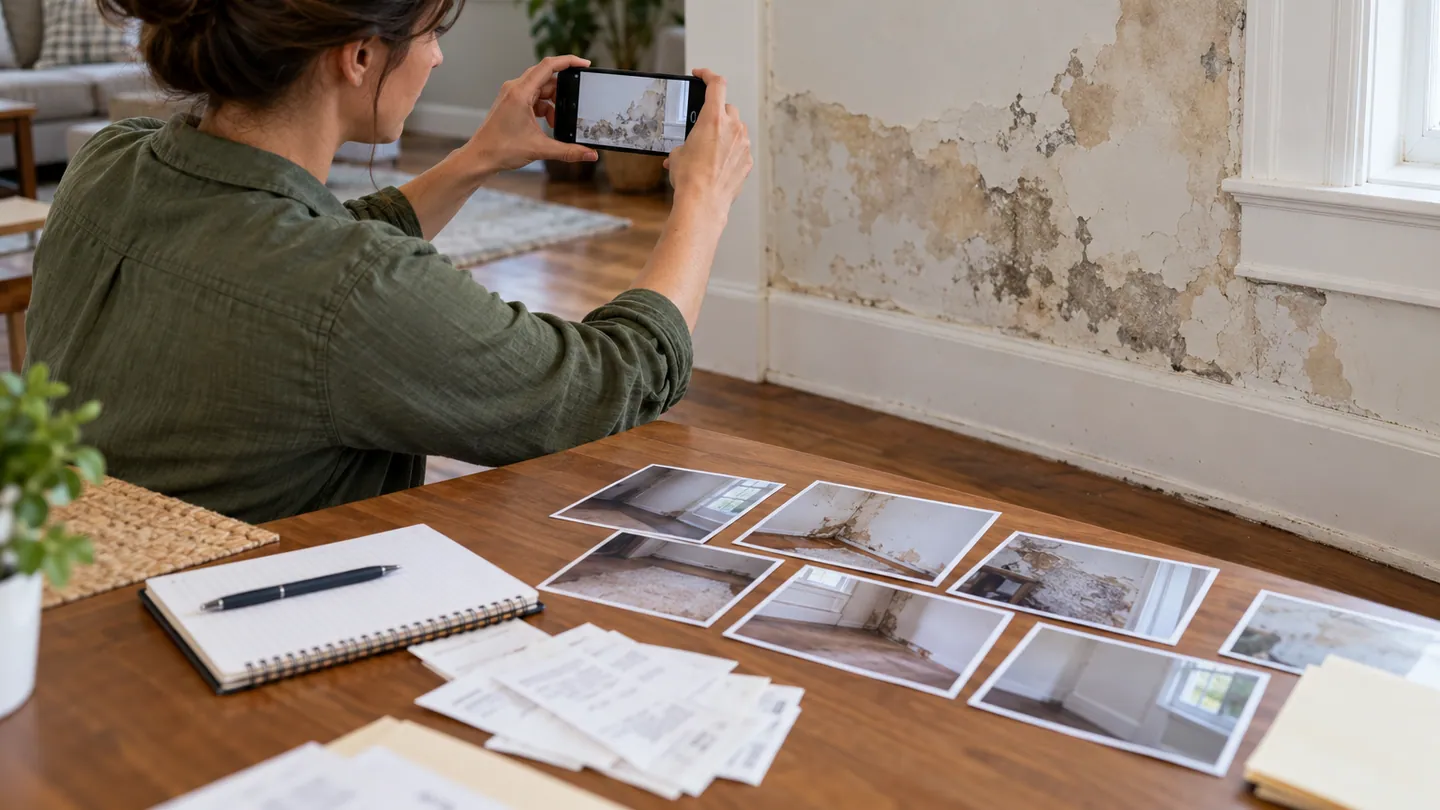
- Keep the technician's written report saying the unit was damaged by flooding. Photograph the unit and the water line before it's removed.
Frequently asked questions
Can I use my water heater after a flood?
Not if floodwater reached the controls, burner, or wiring. Have a qualified technician inspect it; submerged gas controls are generally replaced.
Do I need to replace a flooded furnace?
Often yes. Controls, burners, and insulation are hard to clean and dry fully. A technician can tell you whether repair is safe.
Does FEMA pay for a flooded water heater?
After a declared disaster, FEMA may help repair or replace a furnace or water heater needed to make your home safe and livable.
Need help with your claim or paperwork?
NFCcop offers free guidance to storm survivors. Ask for free help or browse all disaster recovery resources.