Storm Debris Removal: How to Sort It for Pickup
Last reviewed November 7, 2026. Free public guidance from The New Faith Church and Co-op, Inc. (NFCcop), a 501(c)(3) nonprofit. This is general information, not legal or professional advice. Rules and deadlines can change, so confirm with the official sources below.
After major storms, many cities and counties run special curbside debris pickup. Crews often won't take piles that are mixed together or placed in the wrong spot. Sorting your debris the right way gets it picked up faster.
Sort debris into separate piles
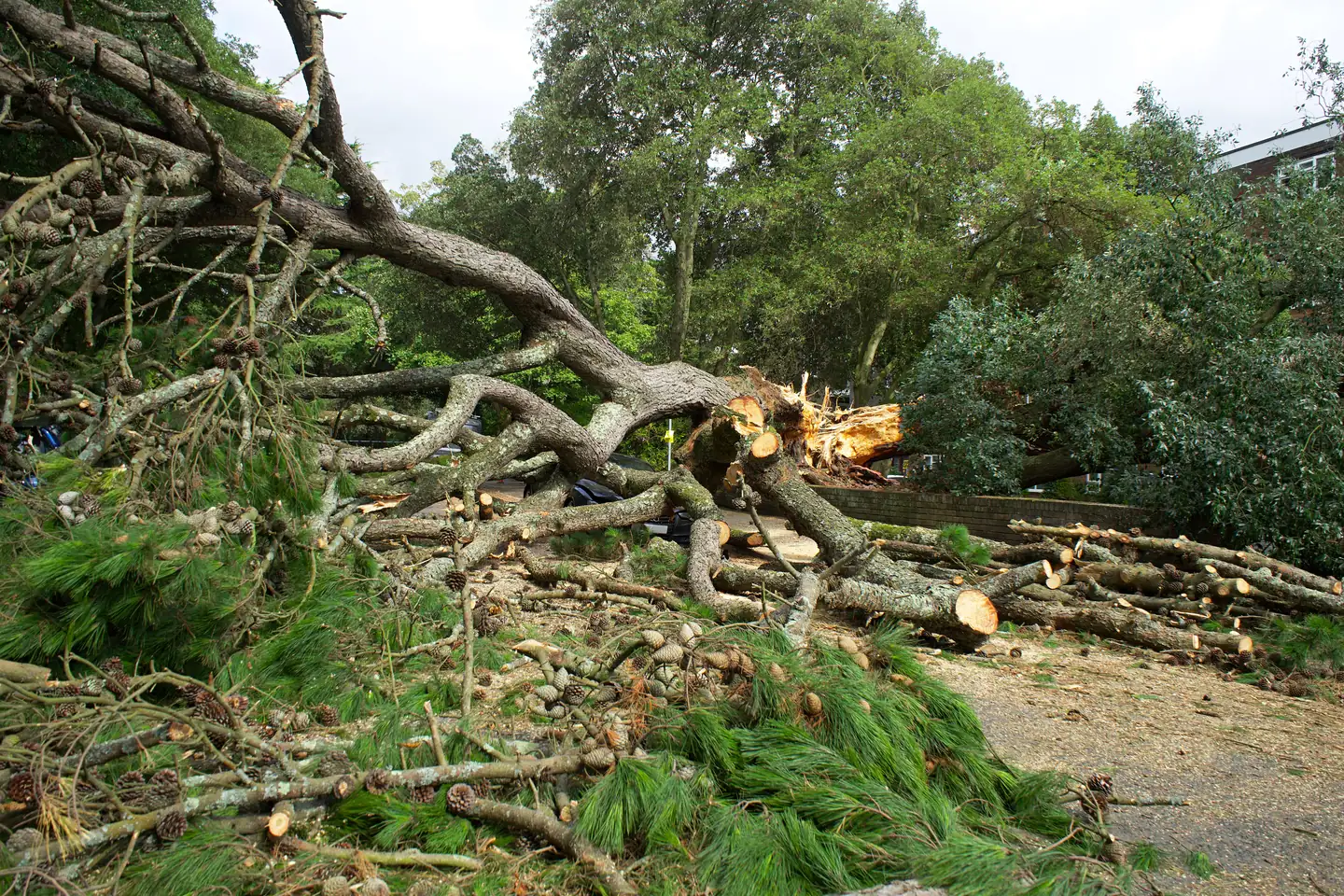
- Vegetative debris: tree limbs, leaves, logs, and plants. Don't put it in bags.
- Construction and demolition debris: drywall, lumber, carpet, furniture, roofing, and fencing.
- Appliances ("white goods"): refrigerators, freezers, washers, dryers, stoves, water heaters, and AC units. Empty food from fridges and freezers and tape the doors shut.
- Electronics: TVs, computers, and phones.
- Household hazardous waste: paint, oil, pesticides, cleaners, batteries, propane tanks, and fluorescent bulbs.
- Normal household trash goes out with regular garbage pickup.
Your local government sets the exact categories, so check their instructions.
Where to put it
- Place debris at the curb, between the sidewalk and the street if possible.
- Don't block the road, sidewalks, storm drains, fire hydrants, or mailboxes.
- Keep piles away from trees, poles, power lines, gas or water meters, and fences. Trucks with mechanical arms can damage them.
- Don't put debris on vacant lots or in roadways.
Before you throw things away
Photograph everything first, and keep a list of what you're throwing out for your insurance claim. Your adjuster may want samples of carpet or flooring. See how to document damage.
Safety tips
- Wear gloves, boots, long sleeves, and eye protection.
- Watch for nails, glass, and snakes or animals hiding in debris piles.
- Don't burn debris unless local officials allow it.
- For tree cleanup, see chainsaw safety and tree removal help.
Who pays for debris removal?
After a declared disaster, FEMA often reimburses local governments for curbside pickup in public areas. Removing debris from private property is usually the owner's job, though some programs help when debris is a health or safety threat. Your insurance may cover debris removal for your home and some tree removal. See FEMA assistance and storm cleanup.

Frequently asked questions
How should I sort storm debris for pickup?
Separate vegetative debris, construction debris, appliances, electronics, and hazardous waste into different piles at the curb. Follow your local government's categories.
Where should I put storm debris?
At the curb, without blocking roads, drains, or hydrants, and away from trees, poles, power lines, and meters.
Does FEMA pay for debris removal on private property?
Usually not. FEMA mainly reimburses local governments for public curbside pickup. Your insurance may cover some debris removal.
Need help with your claim or paperwork?
NFCcop offers free guidance to storm survivors. Ask for free help or browse all disaster recovery resources.