How to Read an Explanation of Benefits (EOB)
Last reviewed November 8, 2026. Free public guidance from The New Faith Church and Co-op, Inc. (NFCcop), a 501(c)(3) nonprofit. This is general information, not legal or medical advice. Rules can change, so confirm with the official sources below.
After you get care, your health insurer sends an Explanation of Benefits (EOB). It shows how your claim was processed. An EOB is not a bill, but it is the best tool you have for checking the bill that comes from your provider.
Parts of an EOB
| Term | What it means |
|---|---|
| Amount billed | What the provider charged. |
| Allowed amount | The most your plan pays for that service. In-network providers agree to accept it. |
| Discount or not covered | Amounts written off by your plan’s contract, or not covered. |
| Plan paid | What your insurer paid. |
| Deductible, copay, coinsurance | Your share of the cost. |
| What you owe / patient responsibility | The most an in-network provider should bill you. |
| Remark or reason codes | Short codes explaining why something was reduced or denied. The key is usually on the back or last page. |
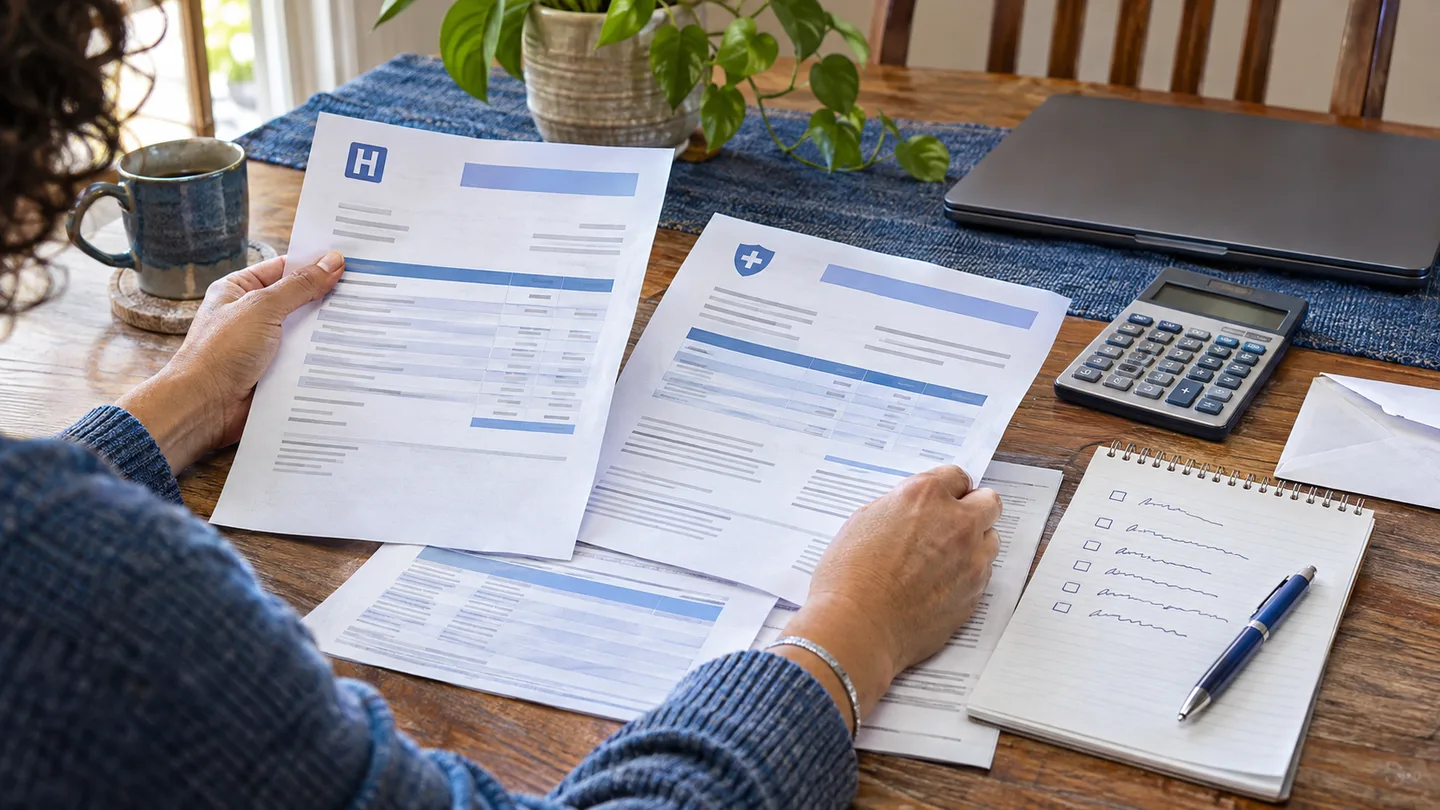
How to use your EOB
- Wait for the EOB before paying a provider’s bill, when you can.
- Match the date of service and provider on the bill and the EOB.
- Compare the amounts. The bill should not be more than “what you owe” on the EOB for in-network care.
- Check for services you didn’t get. That can be an error or fraud. Report it to your insurer.
- Read any denial codes. If something was denied, you can appeal.
On Medicare? Your version is the Medicare Summary Notice.
Frequently asked questions
Is an Explanation of Benefits a bill?
No. It shows how your insurer processed a claim and what you may owe. The bill comes separately from your provider.
What is the allowed amount on an EOB?
The maximum your plan pays for a covered service. In-network providers agree to accept it and can't bill you more than your share.
What should I do if my bill is higher than my EOB says I owe?
Call the provider and ask them to correct the bill to match the EOB. If it's a surprise out-of-network bill, you may be protected by the No Surprises Act.