Long-Term Recovery Groups: Help for What's Still Unmet
Last reviewed November 10, 2026. Free public guidance from The New Faith Church and Co-op, Inc. (NFCcop), a 501(c)(3) nonprofit. This is general information, not legal or professional advice. Rules and deadlines can change, so confirm with the official sources below.
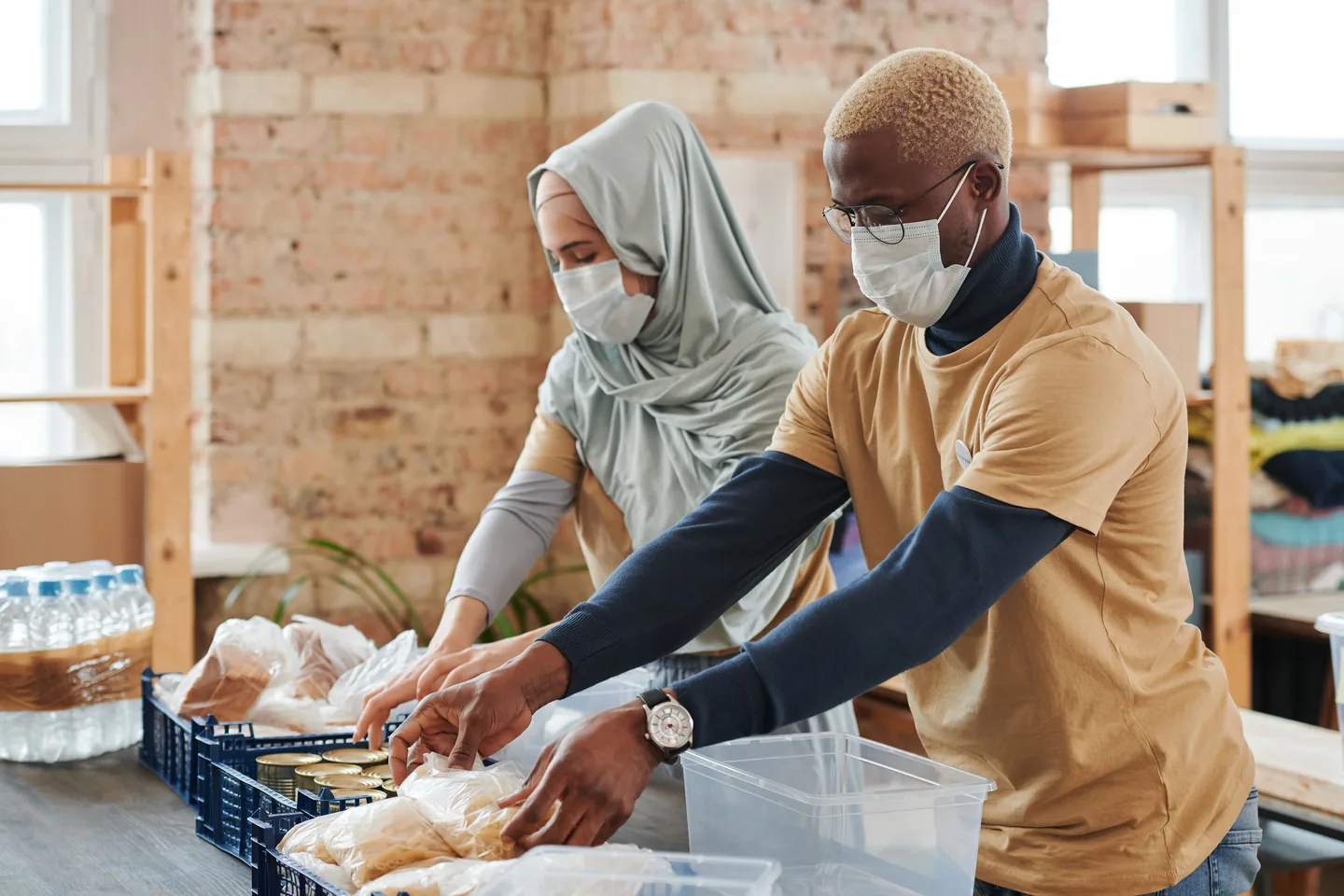
FEMA and insurance often don't cover everything. A long-term recovery group (LTRG, sometimes called a long-term recovery committee) is a local partnership of charities, churches, nonprofits, and volunteers that pool money, materials, and labor to help survivors with what's left.
What they can help with
- Home repairs and rebuilding, often with volunteer labor
- Building materials, appliances, and furniture
- Gaps after FEMA, insurance, and SBA, such as a deductible you can't afford
- Accessibility repairs, like ramps
How it usually works
- A disaster case manager meets with you and documents what you've received and what's still needed.
- The case manager presents your case, often without your name, to the group's unmet needs table.
- Member organizations decide who can fund or provide each piece.
You'll usually need to show you've applied for FEMA and any insurance first, and that a need remains.
How to find your local group
- Call 211 and ask for the long-term recovery group in your county.
- Ask your county emergency management office or a FEMA Disaster Recovery Center.
- Check your state's Voluntary Organizations Active in Disaster (VOAD) website.
Tips
- Keep copies of every FEMA, SBA, and insurance letter. Groups need them to avoid paying for the same thing twice.
- Be patient. Groups often help for a year or more, and help is given based on need.
- See free volunteer home repair after a disaster.
Frequently asked questions
What is a long-term recovery group?
A local partnership of nonprofits, churches, and agencies that work together to meet disaster survivors' unmet needs after FEMA, insurance, and other aid.
How do I get help from a long-term recovery group?
Usually through a disaster case manager, who presents your case to the group. Call 211 to find the group in your area.
Do I have to apply for FEMA first?
Usually yes. Groups generally help with needs that remain after FEMA, insurance, and other programs.
Need help with your claim or paperwork?
NFCcop offers free guidance to storm survivors. Ask for free help or browse all disaster recovery resources.