Hypothermia and Frostbite: Warning Signs and First Aid
Last reviewed November 6, 2026. Free public guidance from The New Faith Church and Co-op, Inc. (NFCcop), a 501(c)(3) nonprofit. This is general information, not legal or professional advice. Rules and deadlines can change, so confirm with the official sources below.
Cold weather can be dangerous even indoors during a power outage. Hypothermia is a drop in body temperature that affects the brain and body. Frostbite is freezing of the skin and tissue, most often on fingers, toes, ears, nose, and cheeks. Both need fast action.
Hypothermia warning signs
Adults
- Shivering
- Exhaustion or feeling very tired
- Confusion, memory loss, or fumbling hands
- Slurred speech and drowsiness
Babies
- Bright red, cold skin
- Very low energy
Older adults, babies, people with medical conditions, and people who've been drinking alcohol are at higher risk. Shivering can stop as hypothermia gets worse, so don't wait for it.
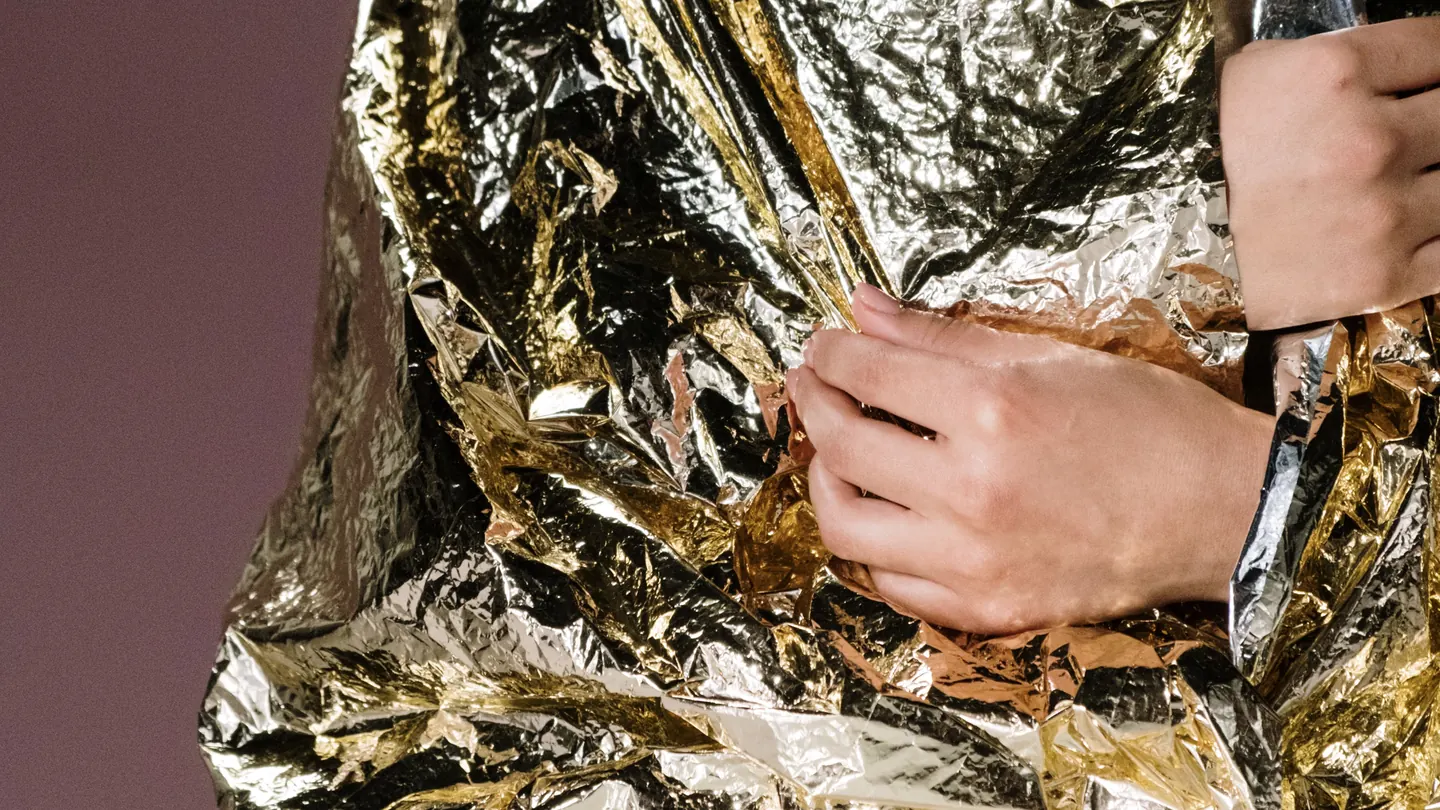
What to do for hypothermia
If a person's body temperature is below 95°F, get medical attention right away. Call 911. While you wait:
- Get the person into a warm room or shelter.
- Remove any wet clothing.
- Warm the center of the body first: chest, neck, head, and groin. Use an electric blanket if available, or skin-to-skin contact under loose, dry blankets.
- If the person is alert, give warm drinks. Avoid alcohol.
- Once their temperature rises, keep them dry and wrapped in a warm blanket, including the head and neck.
If the person has no pulse, start CPR if you're trained and keep going until help arrives.
Frostbite warning signs
- Redness or pain in skin, the first warning
- White or grayish-yellow skin
- Skin that feels unusually firm or waxy
- Numbness. People often don't realize they have frostbite because the area is numb.
What to do for frostbite
- Get into a warm room as soon as possible.
- Unless needed, don't walk on frostbitten feet or toes.
- Put the affected area in warm, not hot, water, or warm it with body heat, like fingers in an armpit.
- Don't rub or massage frostbitten skin.
- Don't use a heating pad, heat lamp, fireplace, or radiator to warm it. Numb skin burns easily.
- Get medical care, and check for hypothermia too.

Prevent cold injuries
- Dress in layers, and cover your head, hands, and feet. Stay dry.
- Limit time outside in very cold or windy weather.
- During outages, follow how to stay warm without power and never heat with ovens or grills.
- If you're traveling, keep a winter kit in the car. See stranded in your car.
Frequently asked questions
What are the first signs of hypothermia?
In adults: shivering, exhaustion, confusion, fumbling hands, memory loss, slurred speech, and drowsiness. In babies: bright red, cold skin and very low energy.
What body temperature is hypothermia?
CDC says to get medical attention immediately if a person's temperature is below 95°F.
Should you rub frostbite to warm it up?
No. Don't rub or massage frostbitten skin, and don't use heating pads, heat lamps, or fireplaces. Use warm, not hot, water or body heat, and get medical care.
Need help with your claim or paperwork?
NFCcop offers free guidance to storm survivors. Ask for free help or browse all disaster recovery resources.