FEMA Home Inspection: What to Expect and How to Prepare
Last reviewed November 7, 2026. Free public guidance from The New Faith Church and Co-op, Inc. (NFCcop), a 501(c)(3) nonprofit. This is general information, not legal or professional advice. Rules and deadlines can change, so confirm with the official sources below.
After you apply for FEMA Individual Assistance, FEMA may send an inspector to see the damage to your home. What the inspector records has a big effect on what help you get, so it pays to be ready.
Scheduling the inspection
- An inspector will usually call to set up a time. The call may come from an unknown or out-of-state number, so answer calls after you apply.
- Make sure FEMA has a phone number where you can be reached.
- Some inspections are done remotely by phone or video instead of in person.
- If you miss the call, contact FEMA through DisasterAssistance.gov or 1-800-621-3362.
Spot a real inspector
- FEMA inspectors carry an official photo ID badge. Ask to see it.
- They already have your FEMA registration number. They'll ask you to confirm it but won't need you to provide it from scratch.
- Inspectors never charge a fee and won't ask for bank information to release money. See disaster scams.
Documents to have ready
- Photo ID
- Proof of occupancy: a utility bill, lease, or other mail at the damaged address
- Proof of ownership if you own: deed, property tax bill, mortgage statement, or homeowners insurance
- Your insurance policy and any claim letters
- Receipts for repairs, supplies, and hotel stays
- A written list of all damaged rooms and items
Lost your documents? See how to replace lost documents.
During the inspection
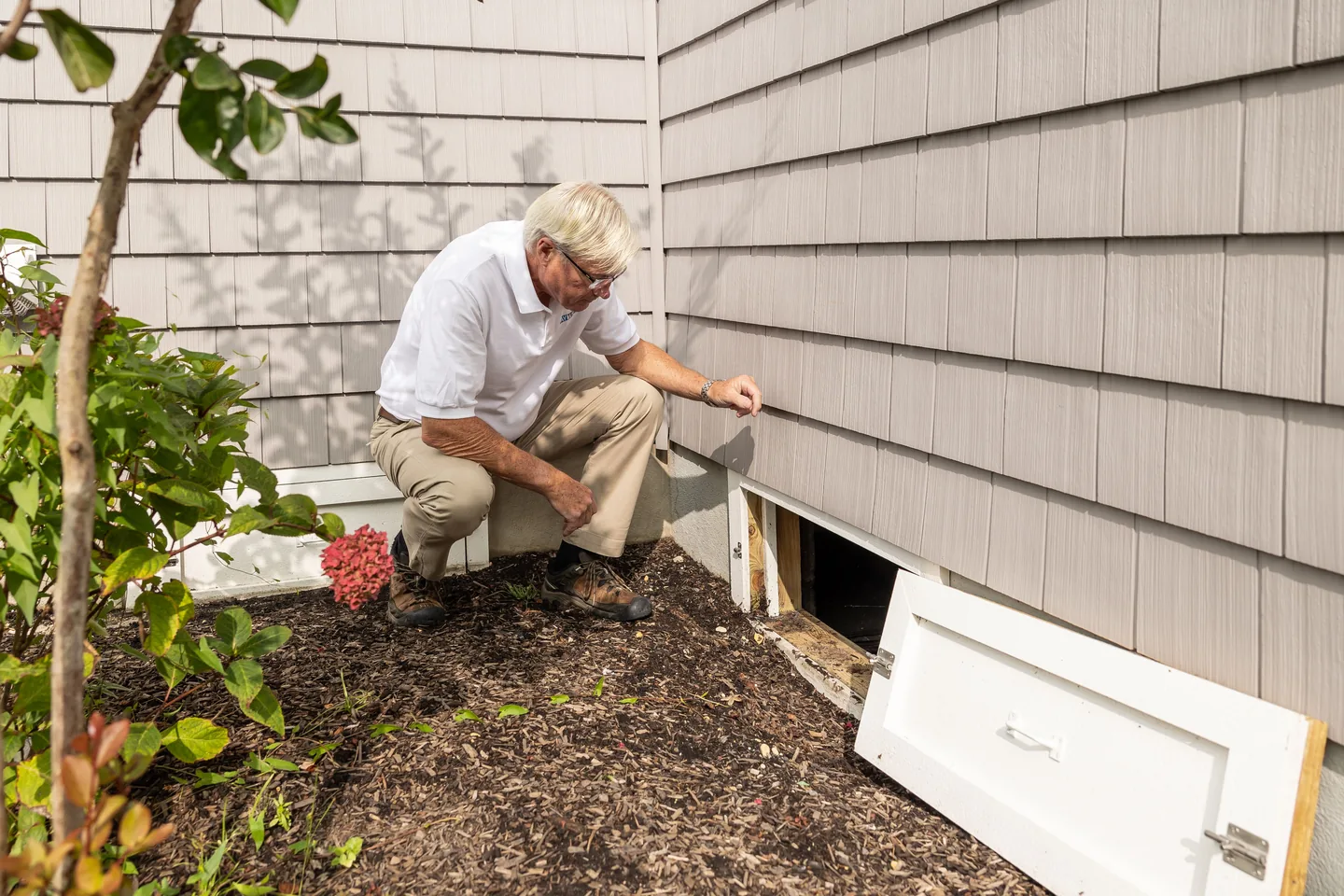
- Show everything. Walk through every room, plus the roof, attic, crawl space, and any damaged appliances, septic system, or well.
- Show your photos and videos of damage, especially anything you already cleaned up or repaired.
- Point out hidden damage: wet walls and insulation, ceiling stains, mold, and things that don't work, like the furnace or water heater.
- Mention disaster-related costs: medical, dental, moving, storage, childcare, and transportation.
- Take notes, including the inspector's name and the date.
The inspector records damage but doesn't decide your eligibility. FEMA makes the decision afterward.

After the inspection
Check your account at DisasterAssistance.gov for your decision letter. If FEMA says "insufficient damage" or misses something, you have 60 days to appeal. See how to appeal an insufficient damage decision and checking your FEMA status.
Frequently asked questions
What documents do I need for a FEMA inspection?
Photo ID, proof you lived at the home (like a utility bill), proof of ownership if you own it, insurance documents, receipts, and a list of damage.
Does a FEMA inspector decide if I get help?
No. The inspector records the damage. FEMA reviews the report and your application to make the decision.
How can I tell if a FEMA inspector is real?
Real inspectors carry official photo ID, already have your registration number, and never charge a fee or ask for bank details.
Need help with your claim or paperwork?
NFCcop offers free guidance to storm survivors. Ask for free help or browse all disaster recovery resources.