Help Paying Your Energy Bill in Utah (HEAT)
Last reviewed November 14, 2026. Written by The New Faith Church and Co-op, Inc. (NFCcop), a 501(c)(3) nonprofit educational resource. General information only, not legal advice. We are not a government agency and we charge nothing for these guides.
Short answer: In Utah, the federal LIHEAP program is known as HEAT. Start here: myCase: HEAT assistance.
If you have a shutoff notice, call your utility today and ask for a payment plan, then apply for crisis assistance.
Energy assistance is a grant that helps pay a heating or cooling bill. It is usually paid straight to the utility or fuel company, and you do not pay it back. This page covers where to apply in Utah, who qualifies, what to have ready, and what else to try.
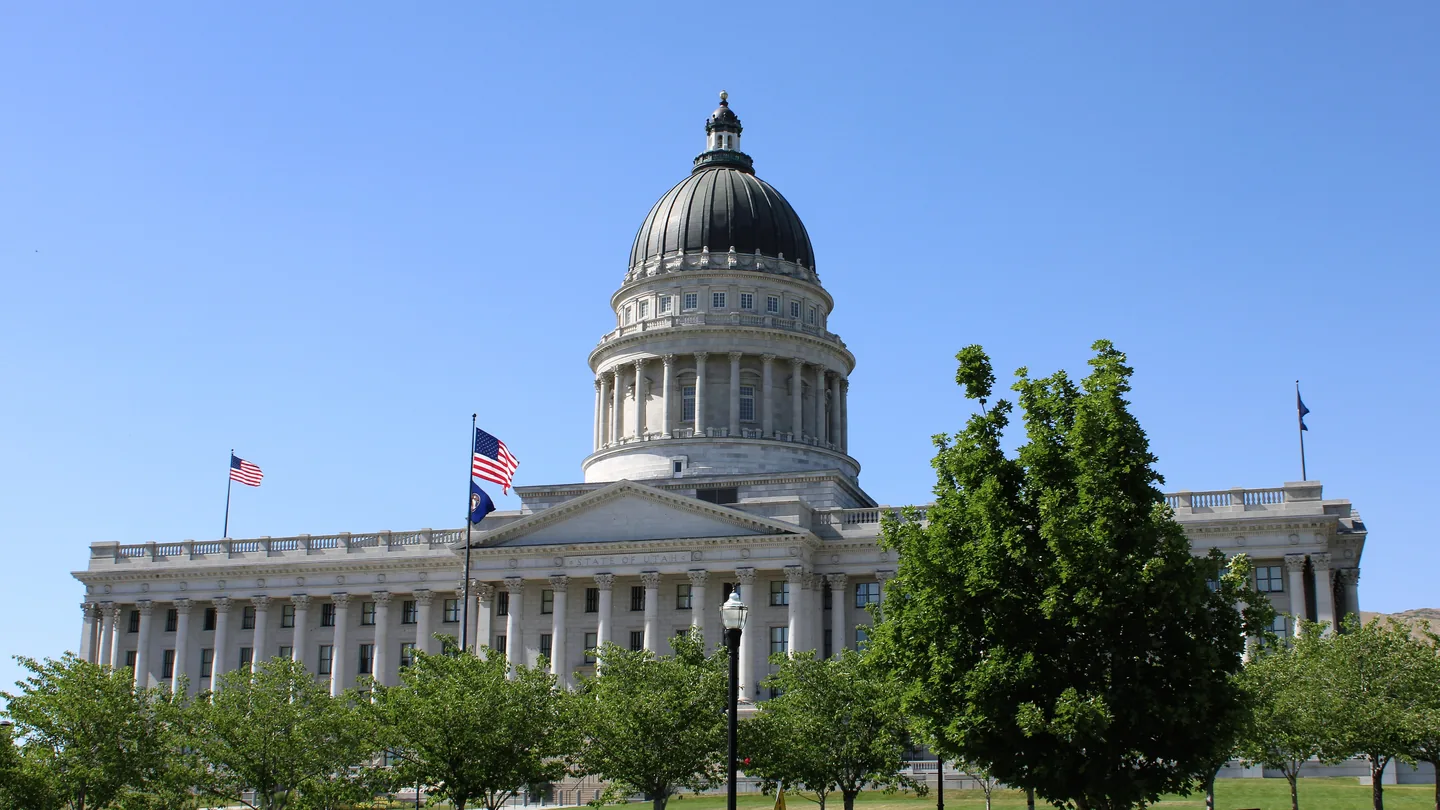
Where to apply in Utah
| Official program page | myCase: HEAT assistance |
|---|---|
| Program name in Utah | HEAT |
| Find a local office | LIHEAP state contact listing, or call the national referral line at 1-866-674-6327 |
| Cost to apply | Free |
| Other local help | Call or text 211 |
What the program can pay for
- Regular bill help: a one-time payment toward heating, and in some states cooling.
- Crisis help: faster help when you have a shutoff notice, are already disconnected, or are almost out of fuel.
- Repairs: some states fix or replace an unsafe furnace or air conditioner.
- Weatherization: insulation and air sealing to lower future bills. See applying for weatherization.
Each state decides which of these it offers and when. Many open for heating in the fall and close when the money runs out.
Who qualifies
Eligibility is based on household income and size. Utah sets its own limit inside a federal range. Households with an older adult, a person with a disability, or a young child are often served first. If you already get SNAP, SSI, or TANF, tell the agency; in many states that makes approval simpler.
Renters can qualify, including when heat is included in the rent in some states. Ask.
What to have ready
- Photo ID for the person applying
- Social Security numbers for household members, if the agency asks for them
- Proof of income for everyone in the home for the period the agency names
- Your most recent utility or fuel bill, with the account number
- Any shutoff or disconnection notice
- Your lease, if utilities are part of your rent
Step by step
- Call the utility first if you are behind. Ask for a payment plan and ask what protections apply. See utility payment plans.
- Find your local agency. Start at myCase: HEAT assistance.
- Apply as early as you can. Funds are limited each year.
- Say so if it is an emergency. A shutoff notice, no heat, or a medical need can move you into the crisis track.
- Tell the utility you applied. Some will hold a disconnection while an application is pending.
- Keep the approval letter. It shows the amount and which bill it was paid to.
If you are facing a shutoff
States limit when a utility can disconnect service, for example during extreme weather or when someone in the home has a serious medical condition. The rules differ by state and by type of utility. See utility shutoff protections and help paying heating bills.
Also ask about water bill help and emergency rent help if more than one bill is behind.
How energy help works in Utah
Benefits go through Workforce Services
In Utah, the Department of Workforce Services handles SNAP and Medicaid eligibility, and energy help is the HEAT program. Apply through myCase.
Official links
- myCase: HEAT assistanceUtah official energy assistance page (jobs.utah.gov)
- LIHEAP state and territory contact listingU.S. Department of Health and Human Services, Administration for Children and Families
Other states: energy bill help by state.
Common questions
How do I get help paying my electric or gas bill in Utah?
In Utah, the federal LIHEAP program is known as HEAT. Start at the state's official page: myCase: HEAT assistance. You usually apply through a local agency, and funds are limited, so apply early in the season.
What is LIHEAP called in Utah?
In Utah, the federal LIHEAP program is known as HEAT.
Can I get help if I already have a shutoff notice?
Often, yes. Most state programs have crisis assistance for households facing disconnection or running out of fuel. Tell the agency about the notice when you apply, and call the utility the same day to ask for a payment plan.
Do I have to pay energy assistance back?
No. LIHEAP is a grant, usually paid straight to your utility or fuel company. It is not a loan.
More Utah guides
- Utah help guide (all topics)
- File an insurance complaint in Utah
- Apply for SNAP (food stamps) in Utah
- Apply for Medicaid in Utah
- Small claims court in Utah
- Free legal aid in Utah
- Find a courthouse in Utah