Free Legal Aid in Florida: Where to Get Help
Last reviewed November 14, 2026. Written by The New Faith Church and Co-op, Inc. (NFCcop), a 501(c)(3) nonprofit educational resource. General information only, not legal advice. We are not a government agency and we charge nothing for these guides.
Short answer: Start with FloridaLawHelp.org. It is the main doorway to free civil legal aid in Florida.
If you have a court date or a deadline, say so in the first sentence when you call or apply. It changes how fast they respond.
Free civil legal aid helps people who cannot afford a lawyer with problems like eviction, denied benefits, debt lawsuits, and disaster recovery. Programs cannot take every case, so it helps to know who qualifies, how to ask, and where else to turn. This page lists the main doors in Florida.
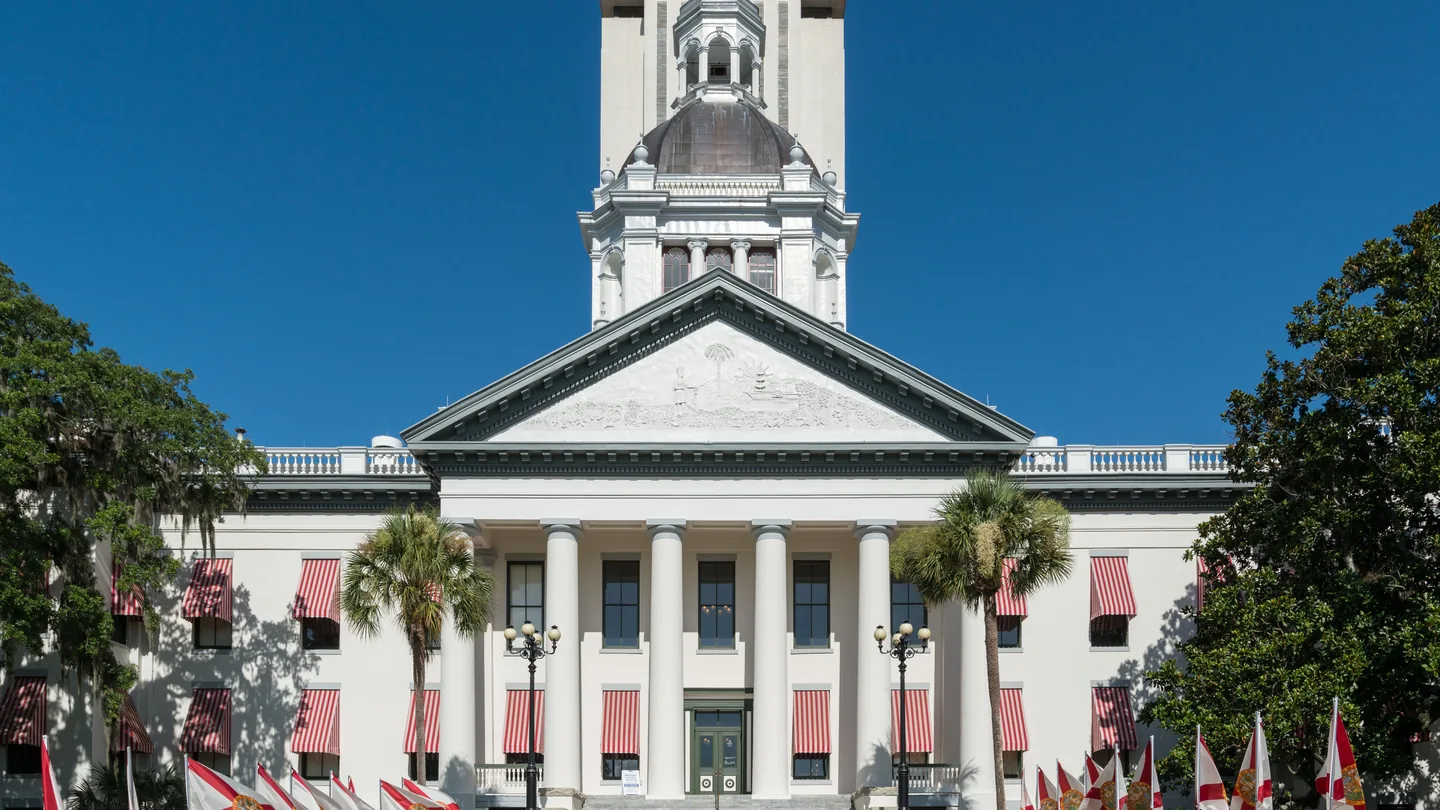
Where to start in Florida
| Statewide legal aid | FloridaLawHelp.org |
|---|---|
| Court forms and self-help | Florida Courts Help: find a form |
| Consumer complaints | Attorney General consumer complaint form |
| National legal aid finders | LawHelp.org and Legal Services Corporation |
| Local referrals by phone | Call or text 211 |
| Criminal charges | Ask the court for a public defender. Legal aid handles civil cases only. |
Who qualifies
- Income: most programs serve households up to about 125% of the federal poverty level, and some go higher for certain cases.
- Older adults: many programs help people 60 and older without a strict income test.
- Veterans, survivors of domestic violence, and disaster survivors: often served through dedicated projects.
- Case type: the problem has to be one the program handles, and it has to have staff available.
Being turned down does not mean you have no case. It usually means the program is out of capacity or the case type is outside its grant.
What legal aid usually handles
- Eviction, unsafe housing, and foreclosure. See eviction notices.
- SNAP, Medicaid, SSI, and unemployment denials. See appealing a benefits denial.
- Debt collection lawsuits and garnishment. See sued by a debt collector.
- Protective orders and family safety.
- FEMA appeals, title problems, and contractor fraud after a disaster. See free legal help after a disaster.
Legal aid usually does not take injury cases or other cases where a private lawyer would work for a share of the recovery.
How to ask for help
- Apply online or by phone. Use FloridaLawHelp.org to find the intake line or online application for your county.
- Lead with the deadline. Give the court date, the answer due date, or the date on the notice.
- Have your papers ready. The notice or court papers, your lease or contract, and proof of income.
- Answer the screening questions. Household size, income, and who is on the other side, so they can check for conflicts.
- Ask what level of help is offered. It may be full representation, advice by phone, help with forms, or a clinic.
- If they cannot help, ask who can. Intake staff usually know the other programs in your area.
If legal aid cannot take your case
- Court self-help: Florida Courts Help: find a form. Also see our guide for people representing themselves.
- Limited-scope lawyers: some lawyers will handle one piece, such as reviewing a document or coaching you for a hearing, for a flat fee.
- Law school clinics and volunteer lawyer programs: ask the state or county bar association.
- Small disputes: see small claims court in Florida.
- Court costs: ask for a fee waiver.
- Insurance disputes: a free insurance complaint in Florida does not need a lawyer.
Florida details
Evictions move fast
After being served with an eviction lawsuit, a Florida tenant generally has 5 days (not counting weekends and legal holidays) to respond. If you're disputing the rent owed, you usually must deposit the rent claimed into the court registry, or ask the court to decide the amount, to keep your defenses. See eviction notices.
Official links
- FloridaLawHelp.orgFree civil legal aid in Florida (www.floridalawhelp.org)
- Florida Courts Help: find a formFlorida court forms and self-help (help.flcourts.gov)
- LawHelp.orgNonprofit directory of legal aid programs and self-help by state
- Legal Services Corporation: get legal helpFederally funded legal aid locator
General guide: how to find legal aid or a lawyer. Other states: free legal aid by state. Related: find a courthouse in Florida and file a civil lawsuit in Florida.
Common questions
Where can I get free legal help in Florida?
Start with FloridaLawHelp.org. It is the main doorway to free civil legal aid in Florida. You can also use LawHelp.org or the Legal Services Corporation's locator, or call 211.
Who qualifies for free legal aid?
Most programs serve people with low income, often up to about 125% of the federal poverty level and sometimes higher. Many also help adults 60 and older, veterans, and survivors of domestic violence without a strict income test.
What kinds of cases does legal aid take?
Civil cases that affect basic needs: evictions and housing, public benefits, family safety, consumer debt, and disaster recovery. Legal aid does not handle criminal charges; ask the court for a public defender.
What if legal aid cannot take my case?
Use the court's self-help resources, listed here as Florida Courts Help: find a form. Also ask about limited-scope lawyers and law school clinics, and see whether a volunteer lawyer program covers your county.
More Florida guides
- Florida help guide (all topics)
- File an insurance complaint in Florida
- Apply for SNAP (food stamps) in Florida
- Apply for Medicaid in Florida
- Energy bill help (LIHEAP) in Florida
- Small claims court in Florida
- Find a courthouse in Florida